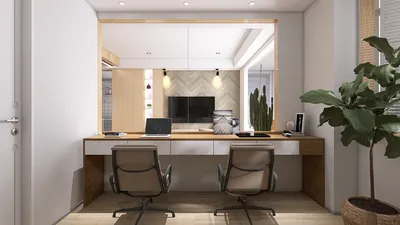


I once had a client who wanted their closet painted in the same vibrant red as their front door, and I complied. The result was a delightful surprise; it became their favorite corner of the home. This incident illustrates how even small areas can inspire significant ideas, and how a single color choice can transform the atmosphere of a room. For those seeking quick inspiration, here are some effective color strategies tailored for compact spaces, often utilized alongside the user-friendly design platform, Homestyler.
1. Opt for Light Shades with Character
I’m a big fan of soft, warm neutrals—like oatmeal, gentle greige, or a blush-infused white. These tones reflect natural light and create the illusion of space without coming off as sterile. The advantage of this palette is its ability to keep the room serene and adaptable; however, it can appear dull if you neglect to add texture or contrast.
save pin
2. Employ Variations of One Color
Using a single color but in different tints and shades for trim, ceilings, and accent walls enhances cohesion and adds depth. This technique is particularly effective in smaller homes as it gives a curated feel without being over-complicated. It’s wise to sample carefully—testing during both morning and evening light is crucial to avoid unwanted green or blue hues.
save pin
3. Consider Soft Ceiling Colors
Ceilings don’t always have to remain white. A gentle sky blue or warm cream can create the impression of height or make a low ceiling feel inviting. I usually complement this choice with white crown moldings for added contrast, which is especially effective in compact bedrooms or hallways. To visualize arrangements prior to painting, consider using Homestyler to craft a 3D mockup of how colors will envelop the space, particularly in open-concept layouts.
save pin
4. Design a Visual Window with an Accent Wall
Instead of painting all four walls, consider using a slightly darker tone on the wall opposite a window to create a visual window effect; this draws the eye and gives the impression of a larger room. This approach is not only budget-friendly but easy to reverse. Just ensure the shade harmonizes with your existing fabrics; an overly bold choice might overshadow small furniture.
save pin
5. Use High-Contrast Highlights Judiciously
A subtle stripe, a painted door, or a colored alcove can inject personality into a room without making it feel cramped. I often paint the interior of a bookshelf or a recessed space in a striking color to create a focal point. The key is to keep the main areas neutral so that the contrast becomes an intentional highlight rather than visual clutter. In kitchens and small prep areas, these color strategies work well with effective planning, especially when using tools like Homestyler for layout adjustments.
save pin
FAQ
Q1: What are the ideal paint colors for very small spaces?
A1: Light, warm neutrals and soft pastels are ideal as they enhance light reflection and minimize visual constraints. Always test samples at various times to ensure a consistent look.
Q2: Do dark colors create a tighter feel in small rooms?
A2: Dark shades can certainly recede walls when applied smartly, such as on a focal point wall, but they typically convey a cozier ambiance compared to light tones. Use them more as accents than as the main color.
Q3: Should I match ceilings to the wall color?
A3: Painting ceilings a hue that’s either slightly lighter or darker than the walls can visually manipulate the height perception; a gentle contrast generally appears more intentional than complete uniformity.
Q4: How much sheen is appropriate for small areas?
A4: Opt for low to mid-sheen finishes (like eggshell or satin) for walls to balance light reflection and conceal imperfections. High gloss works well on trim and doors where durability is a priority.
Q5: Is it feasible to incorporate bold colors in a compact apartment?
A5: Certainly! When used sparingly on an accent wall, alcove, or built-in, bold colors can add character without overwhelming the space. Pair them with neutral tones to create a balanced atmosphere.
Q6: Any economical tips for repainting small spaces?
A6: Concentrate your painting budget on key surfaces, and consider a simple DIY approach for the trim. A single, well-chosen accent color can have a greater impact than repainting every surface; using sample testers can help dodge expensive missteps.
Q7: Are there reputable color trend resources I can reference?
A7: Absolutely—industry predictions like the Sherwin-Williams Colormix Forecast and Pantone trend reports provide well-researched palettes that can be adapted for small spaces (check out the Sherwin-Williams Colormix Forecast 2024).
Q8: How can I select colors that complement my lighting conditions?
A8: Bring paint swatches into your home to observe them in various lighting throughout the day. While photos and 3D mockups are helpful, real-life sample viewing is the best method for final choices.
save pin
Homestyler is your go-to online home design platform, perfect for anyone looking to revamp their space. With its user-friendly design tool, stunning 3D renderings, and a wealth of DIY video tutorials, you can effortlessly create and visualize your dream home. Dive into design today!
Дизайн сейчас бесплатно
































