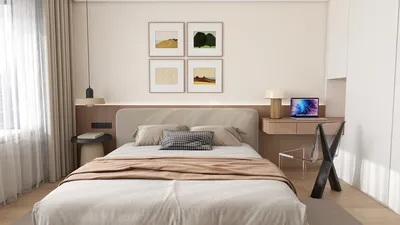


In my experience as a designer, I once transformed a compact living room by painting it a striking navy, thinking it would create a cozy atmosphere. However, I soon discovered that the room resembled a submarine. This experience taught me that colors can drastically alter the perception of space, either making a small room feel expansive or confined — often influenced by light placement and a color's warmth. Small areas inspire creativity, which is something I truly appreciate. In this article, I will share five effective color inspirations from real renovation projects that effectively enhance small living rooms, making them feel more spacious, brighter, and uniquely personal.
1. Soft Warm Neutrals
I typically begin with off-whites, calming beiges, or light greiges due to their ability to reflect light beautifully, forming a serene backdrop. The key advantage lies in their versatility: they provide an excellent canvas for layering textures and colorful accents without overwhelming the space. However, a slight drawback is their potential flatness if uniform in tone; hence, I highly recommend incorporating a textured rug or contrasting darker trims to add depth.
save pin
2. Pale Pastel Accents
Soft shades like mint greens, blush pinks, and powder blues are my favorites for adding a touch of character while keeping the ambience airy. These hues are especially effective when used on an accent wall or in textiles such as cushions and drapes. The challenge is that pastels can blend into the background if lighting is inadequate, so I suggest combining them with warm, layered lighting to enhance their vibrancy.
save pin
3. High-Contrast Monochrome
Incorporating a primarily light color scheme while grounding the design with one or two elements in black or charcoal provides dramatic flair without diminishing the perceived size of the space. I've successfully used this approach with window frames or slim sofas. It strikes a balance between boldness and control — just be cautious not to overdo dark trims, as they can visually fragment the room.
save pin
4. Muted Earth Tones
Colors like terracotta, soft olive, and sandy clay infuse warmth and depth while maintaining a grounded feel. In a compact living room, these tones can enhance intimacy without heaviness, especially when matched with ample natural light and reflective surfaces like mirrors. While these shades are timeless, they can appear dated if overused, so I prefer to couple them with contemporary furniture to keep the aesthetic fresh.
save pin
5. Cool Light Grays with Wood Accents
Light gray walls paired with warm wood accents create a modern yet spacious appearance. Gray serves as a neutral that complements various textures, whether metallic or natural. It's essential to select the right undertone, as some grays can appear cold while others give a cozy feel. Whenever I design with this palette, I make sure to test paint samples at different times of the day.
Interested in visualizing these color ideas within your own space? I often utilize an online room planner like Homestyler to create quick mock-ups, allowing clients to preview proportions and color balance before making any paint decisions.
save pin
FAQ
Q1: What colors can make a small living room appear larger? A1: Generally, light neutrals, soft pastels, and cool light grays enhance the sense of space by reflecting more light and minimizing visual clutter.
Q2: Is it advisable to paint ceilings a different color in a compact room? A2: Utilizing a ceiling color lighter than the walls can create an effect that visually elevates clearance, while a slightly darker ceiling might offer a cozy feel but can lower the perceived height.
Q3: How can I decide between warm and cool tones? A3: Take natural light into account: rooms facing north typically benefit from warm tones to enhance coziness, whereas south-facing rooms can accommodate cooler tones without feeling uninviting.
Q4: Are accent walls beneficial in small living rooms? A4: Absolutely, when approached with restraint. A single accent wall can introduce depth, but avoid using dark, heavy colors that might overpower the space.
Q5: What amount of contrast is too much in a small area? A5: High contrast can be effective if applied sparingly; however, excessive contrasting elements can lead to visual fragmentation. Aim to keep larger surfaces more uniform.
Q6: Is it permissible to incorporate patterns in a small living room? A6: Patterns work well in textiles and smaller decorations. However, large patterned wallpaper can overwhelm the space; opting for subtle, scaled-down patterns is preferable.
Q7: Where can I quickly test color schemes online? A7: Using a room planner like Homestyler allows me to experiment with different combinations and layouts before making any final decisions regarding paint or furnishings.
Q8: Are there credible resources on color perception? A8: Indeed, foundational color theory texts such as 'The Interaction of Color' by Josef Albers and resources found on the Pantone website offer reliable insights into color behavior and perception.
save pin
Homestyler is your go-to online home design platform! With its user-friendly design tool, stunning 3D renderings, and a wealth of DIY video tutorials, you can effortlessly explore and create your dream spaces. Unleash your creativity today and transform your home!
Дизайн сейчас бесплатно
































