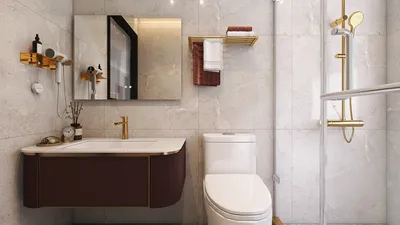


I design cabinets to alleviate everyday irritations such as misplaced shoes, tangled charging cords, and pantry chaos hiding your pasta. Effective cabinet design begins with distinct zones, robust materials, and adequate lighting that truly illuminates your space. In home environments, well-planned storage enhances perceived organization more than any other factor; in office settings, it plays a critical role in workflow efficiency and minimizing acoustic disturbances. Achieving the perfect balance involves considering proportions, reach ranges, and visual harmony that integrates seamlessly with tools like Homestyler.
Data-driven decisions are key. The WELL v2 guidelines suggest a task illuminance of 300–500 lux to enhance visual clarity, while managing glare is essential for usability. Research from Steelcase demonstrates that visual and spatial organization is linked to reduced cognitive load, ultimately impacting focus and satisfaction in work environments. My experience aligns with these findings: strategically designed cabinets that reduce visual clutter and are properly lit lead to fewer decision-making delays and clearer daily routines.
Behavior is another crucial aspect. Herman Miller’s studies highlight that disorder and ineffective storage contribute to heightened micro-distractions during task transitions. Regarding color strategy, insights from Verywell Mind suggest that gentle neutral tones help lower arousal levels, while warmer highlights can encourage interaction—especially around cabinet pulls and open shelving used frequently. I incorporate these principles into selecting cabinet fronts, hardware finishes, and layered lighting designs, ensuring that storage is not only functional but also intuitive and complemented by Homestyler functionalities.
Outline Your Storage Strategy Before Drawing
To begin, I categorize the items: what requires concealed storage (like cleaning supplies and paperwork), what can be semi-open (such as cookbooks and gadgets in regular use), and what should be showcased (artwork, ceramics). Common residential ratios tend to be about 70% closed storage, 20% semi-open, and 10% open. In professional spaces, this can shift to as much as 80% closed for better visual management. When planning layouts, utilizing a room layout tool helps experiment with cabinet depths and door arcs against foot traffic.
Ergonomic Considerations: Heights, Reach, and Daily Convenience
Human-centric design ensures cabinets remain functional beyond the initial installation. For commonly accessed items, I recommend shelf heights between 28–54 inches for most adults, reserving 28–40 inches for heavier items. A toe-kick of 3–4 inches alleviates strain when reaching into lower cabinets. I position upper cabinet bases at approximately 54 inches from the finished floor in kitchens, with overall height tailored to ceiling dimensions and user stature. In workplaces, incorporating lockable drawers for personal belongings within seated reach minimizes the need for excess movement.
Illuminating the Storage Experience
Effective storage relies heavily on visibility. I prescribe dimmable LED strips with a 90+ CRI rating for shelving units, utilizing color temperatures of 3000–3500K in living quarters and 4000K in areas designated for tasks. Aim for 300–500 lux on work surfaces and inside critical cabinets as per WELL v2 recommendations; maintaining a low UGR prevents glare when cabinet doors swing open. I install door-activated micro-switches for pantries and wardrobes, and enhance display niches with backlighting for added dimensionality.
Material Choices and Longevity
Selecting appropriate materials is crucial for both aesthetics and durability. High-pressure laminate or melamine-faced boards withstand the demands of kitchens and children’s spaces, while veneered finishes add inviting warmth without compromising easy maintenance when properly sealed. In moisture-prone areas, I prefer compact laminate or lacquered MDF with moisture-resistant cores. Inside cabinets, light-colored finishes enhance visibility and reflect task lighting effectively. Hardware quality is paramount; I opt for soft-close hinges, full-extension slides, and tip-on mechanisms for handle-free designs, ensuring accessibility and a quiet experience that resonates with users familiar with Homestyler.
Creating Acoustic and Visual Serenity
Cabinetry can also contribute to sound absorption. In professional setups, I advocate for perforated panels with acoustic backing on storage walls adjacent to collaboration areas; in living spaces, felt-lined drawers and rubber bumpers mitigate high-frequency noise. From a visual perspective, I focus on rhythmic designs—maintaining consistent reveal lines, aligned handles, and door configurations that respect wall dimensions. Tall storage units anchor corners, while lower units extend horizontally, interspersed with open niches that add interest without visual clutter.
Applying Color Psychology to Cabinets
Color influences behavior significantly. Neutral base tones, such as warm grey or off-white, tend to calm the atmosphere and create an illusion of expanded space; accents in terracotta or muted blues promote engagement around work surfaces or social areas. Bright colors should be used judiciously on internal surfaces or hardware to direct attention without being overwhelming. High-gloss finishes are best avoided in high-traffic locations to reduce glare and reflections.
Incorporating Smart Features: Power, Charging, and Integrated Technology
Technology necessitates organized spaces. I create charging stations complete with integrated cable management and ventilation, position wireless chargers beneath slim wooden surfaces when feasible, and house routers in ventilated cabinets to avert overheating risks. In kitchens, appliance garages conveniently conceal blenders and coffee makers while maintaining ease of access; in office areas, secure tech drawers with power strips and surge protection reduce desktop clutter.
Types of Cabinets and Their Optimal Uses
- Tall pantry/wardrobe units: perfect for bulk storage; incorporating pull-out trays enhances accessibility.
- Base drawer systems: more effective than traditional doors for heavy items; full extension minimizes bending.
- Open display shelving: should be reserved for selected items; backlighting adds depth.
- Sliding-door cabinets: ideal for tighter spaces and narrow hallways.
- Corner solutions: utilize diagonal or LeMans-style pull-outs to reclaim otherwise unused areas.
Considering Proportions and Door Mechanisms
I ensure upper cabinet doors are typically 12–18 inches wide to prevent interference, while base units range from 15–24 inches. Employing split doors in tall cabinetry mitigates torque and maintains hardware alignment. When aesthetics are paramount, I make sure door reveals align with window frames or architectural features, incorporating the storage visually into the overall design as explored on platforms like Homestyler.
Design Strategies to Optimize Daily Efficiency
Prioritize physical adjacencies: shoe storage near the entrance, cleaning supplies close to laundry areas, and cooking pots near the stovetop. In family spaces, design a quick-access drawer for remotes and chargers. For those evaluating these organization strategies, using an interior layout planner allows for effortless simulations of access, door swing, and foot traffic in varying configurations.
Emphasizing Sustainability: Light Construction for Longevity
Sustainable cabinetry considers material sourcing, finish types, and lifespan. I promote the use of FSC-certified materials, waterborne finishes, and hardware designed for repairability. Employing modular shelving and standardized hardware makes individual components replaceable. Light-toned interiors decrease the reliance on high-output lighting, effectively conserving energy.
Maintenance and Simple Enhancements
Regular alignment of hinges keeps cabinet doors functioning properly; felt pads help prevent minor scratches. Consider installing motion sensors inside deep cabinets, and swapping out halogen puck lights for LED strips enhances illumination while reducing heat output. When clutter re-emerges, designate one drawer for “transit items” and place it strategically along the main traffic route.
FAQs: Practical Answers to Common Queries
For residences, I recommend maintaining approximately 70% closed storage, 20% semi-open, and 10% open to balance organization with display. In office spaces, the ratio may lean closer to 80% closed to manage visual distractions.
Aim for 300–500 lux for task and interior cabinet lighting, using 90+ CRI LEDs calibrated between 3000–4000K, following WELL v2 standards.
Utilize high-pressure laminate or melamine-faced boards for their durability; in moisture-prone areas, implement compact laminate or moisture-resistant lacquered MDF solutions.
For frequently accessed heavy items, yes. Full-extension drawers ensure contents are visible without necessitating bending.
Opt for matte or satin finishes and appropriately manage light positioning; high-gloss is best avoided in tightly lit spaces, utilizing diffused LED strips within cabinets instead.
Position upper cabinet bottoms at roughly 54 inches for optimal user reach; modify this according to ceiling and individual heights.
Employ soft-close hardware, utilize felt-lined drawers, and incorporate acoustic panels into storage walls near collaborative or media zones.
Establish dedicated charging cubbies complete with cable management adjacent to primary work areas or entrances, making sure to ventilate enclosed tech equipment to avoid overheating.
Maintain upper cabinet door widths at 12–18 inches and base units at 15–24 inches to minimize conflict with neighboring elements.
Design adjustable shelving, modular inserts, and maintain one designated “transit drawer” positioned for easy access in transit—think keys, chargers, and school supplies.

Bush Furniture Somerset 72W Office Desk with


Hubbub NBF Freya Table Desk Office - Small Compute
Tribesigns 63-inch Executive Desk, Vintage Home Of
If you're looking to elevate your home design experience, Homestyler is the ideal platform for you! With its user-friendly online design tool, stunning 3D renderings, inspiring design projects, and comprehensive DIY video tutorials, bringing your dream space to life has never been easier.
Дизайн сейчас бесплатно
































