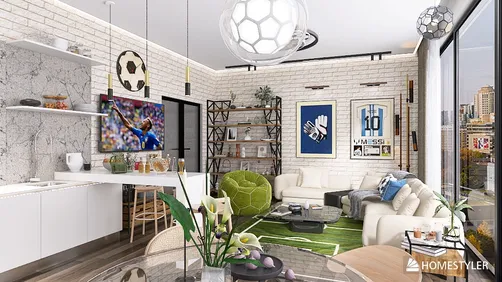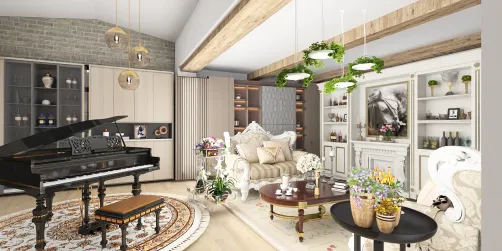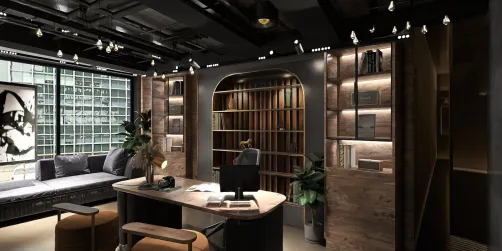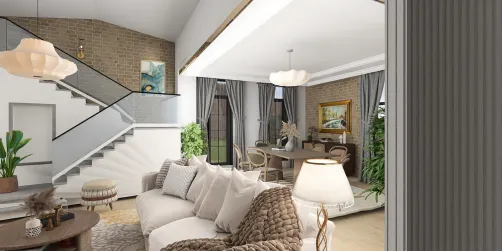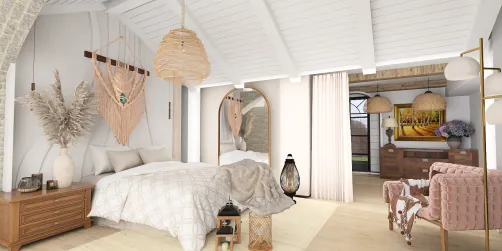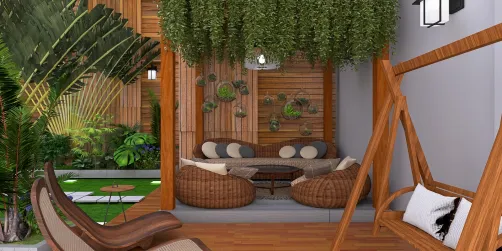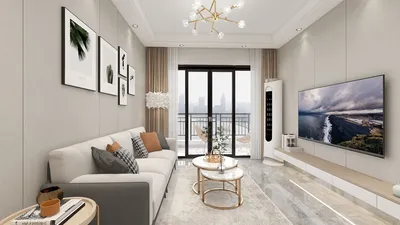
The future is already knocking at our doors, and I perceive it clearly in the ways we optimize our cramped routines, soaring utility expenses, and fragmented downtime. As households pursue a more tranquil and eco-friendly lifestyle, the residential trend analyses from AIA consistently highlight an increasing demand for versatile, energy-conscious designs that minimize waste and enhance purpose—precisely what the innovative two-story layout aims to achieve. Each corridor and corner appears to house a spatial reasoning toolkit, encoding our lifestyle much like a program that operates on a daily basis.
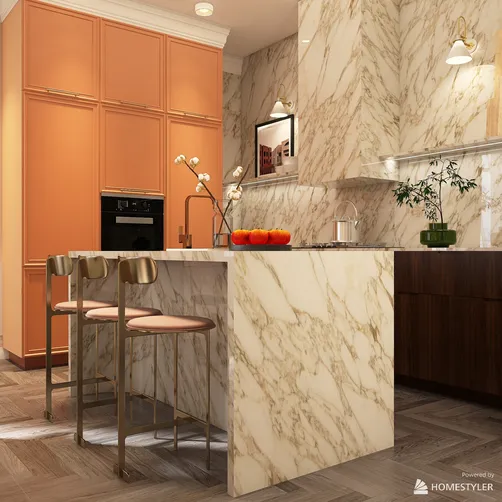
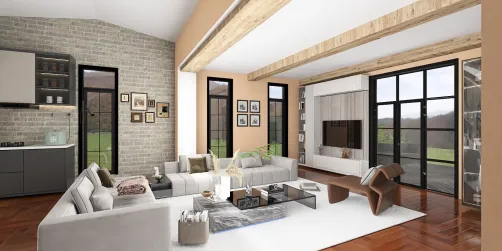
Eco-Friendly Split-Level Design
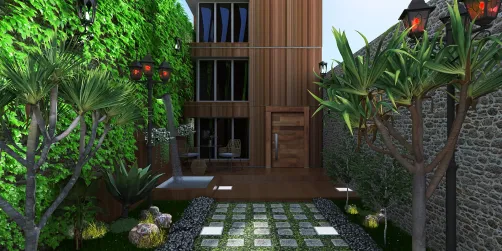
Conceptual Framework: This design features two stacked zones: a social area below and a restorative space above, unified by an eco-friendly spine that regulates ambient light and temperature amidst the anticipated utility fluctuations of the coming five years.
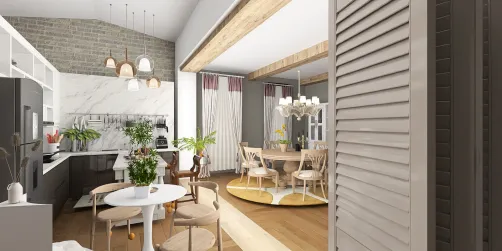
Flow: The path begins with the entry, leading to a mud room, then to the kitchen hub, moving onto the living deck, followed by a staircase acting as a thermal conduit, ultimately forming a sleep area loop; this sequence mirrors an efficient program designed to minimize context switching.
Sightlines: Diagonal perspectives from the kitchen to the terrace and from the stair landing create a layered user interface: foreground activities, mid-background pauses, and far-background nature cues.
Storage: Features like under-stair storage, deep wall pantries, and vertical linen towers serve as buffers, allowing daily operations to flow smoothly without interruptions.
Furniture Fit: The layout incorporates compact sectionals, 30-inch dining modules, and platform beds, all designed to meet the constraints set by circulation widths and solar impacts.
Summary: This split layout prepares for a hybrid work environment and fluctuating climate conditions, enabling eco-friendly systems and behaviors to integrate seamlessly without creating visual clutter.
save pinOpen in 3D Planner Processing...
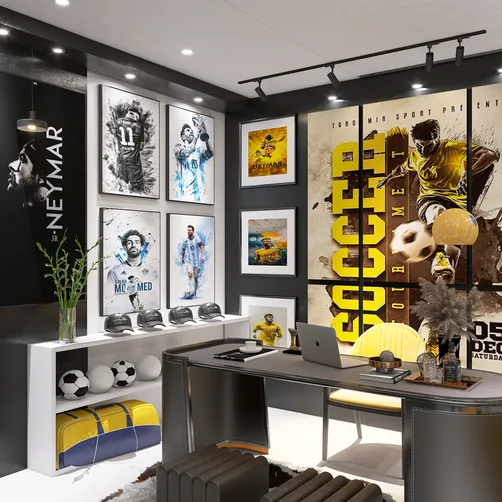
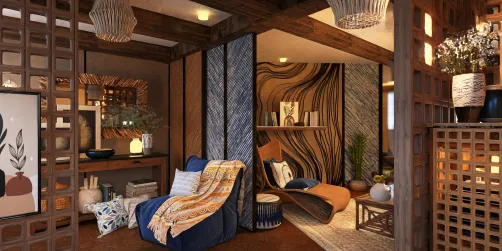
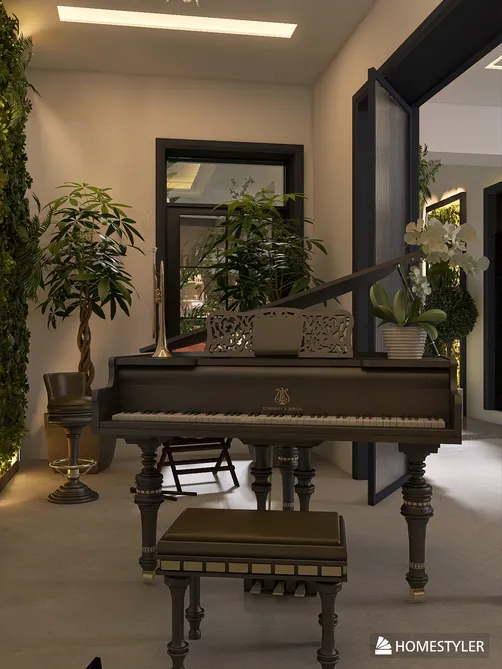
Biophilic Work-Live System
Conceptual Framework: The main level combines a micro-office, kitchen lab, and an indoor-outdoor connection, ensuring adaptability for mixed schedules and facilitating remote teamwork.
Flow: The route flows from a desk niche to coffee preparation, then to a meeting table, transitioning to a balcony garden via a slider, and looping back through the storage corridor; this cyclical routine minimizes task latency.
Sightlines: A low-glare desk sightline extending to greenery, a cross-view of the cooking surface, and a long axial sightline toward the balcony collectively establish a cognitive map.
Storage: Shallow task walls, a concealed printer bay, and a drawer for garden tools function like a well-organized cache, preventing clutter from overwhelming your space.
Furniture Fit: Adjustable task chairs, a 60-inch table, and slim shelves have been structured to honor the necessary space for family interactions without intruding.
Summary: This loop transforms productivity into a peaceful ecosystem, harmonizing work rhythms with natural light and greenery—creating a reliable pattern for future routines.
save pinOpen in 3D Planner Processing...
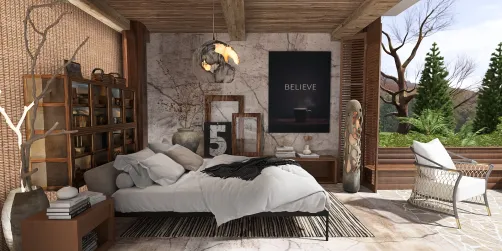
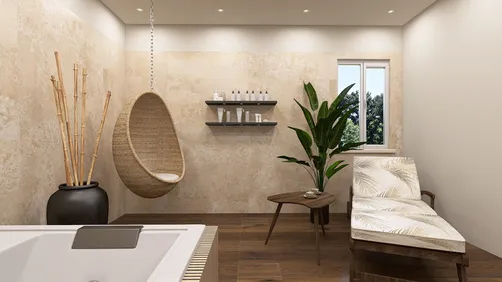
Serene Upper Sanctuary
Conceptual Framework: Bedrooms and a meditation alcove are elevated above, insulated by a service band; this design effectively separates noise streams and enhances sleep quality.
Flow: The journey starts at the landing, proceeds to the laundry bay, continues to the primary suite, then to a shared bathroom and a flexible room; this intentional sequence mimics a nightly shutdown protocol.
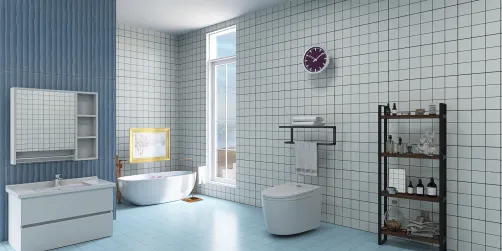
Sightlines: Soft, tiered views from the bed to treetops, the corridor to the sky, and the bath to controlled reflections establish a user interface that reduces cognitive load.
Storage: In-built wardrobes, seasonal overhead storage, and a slim linen rail organize items, keeping the sanctuary tidy and clutter-free.
Furniture Fit: Features include a queen platform bed, 18-inch nightstands, and a reading chaise in the alcove; every dimension complies with thermal and acoustic requirements based on API guidelines.
Summary: This upper level acts as a future-proof buffer, absorbing everyday noise and promoting recovery—like a quiet code ensuring humane living conditions.
save pinOpen in 3D Planner Processing...
## Final Thoughts
In an era characterized by fluctuating utility costs and hybrid lifestyles, the eco-friendly two-story layout functions akin to a compact operating system optimized for biophilia and precision. Its dual-level structure, green core, and intentional pathways contribute to a resilient apartment design that fosters productive work and restorative nights. Considerations for long-term needs such as balcony gardens and under-stair storage are not mere luxuries; they are essential elements of a serene home environment. In my experience, the most intelligent homes of the future won’t necessarily be larger—they will be more purpose-driven, especially when integrated with tools like Homestyler.

If you're looking to revamp your space, Homestyler is your go-to online design platform! With its user-friendly design tool, stunning 3D renderings, a wealth of design projects, and helpful DIY video tutorials, transforming your home has never been easier. Start your design journey today!