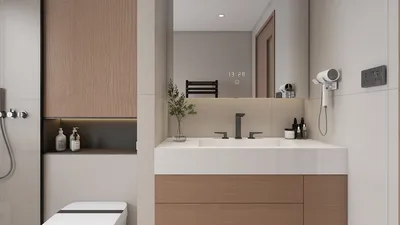


In my early attempts at building a Weber grill table, I overlooked the swing of the grill hood, resulting in a frustrating collision with the shelf. That experience taught me the vital importance of considering measurements, heat clearance, and workflow—elements crucial for both carpentry and cooking. Especially in compact spaces like small balconies or backyards, limitations spark creative solutions, which is often where the real enjoyment lies. I frequently use 2D designs of these setups to visualize my projects before cutting any wood, a practice that brings clarity to my planning process.
Tip 1: Foldable side tables for compact balconies
Fold-down side tables are fantastic for maximizing prep space when needed while neatly folding away when you require more room. Their benefits are clear: they are cost-effective, lightweight, and simple to install. However, ensure the hinges are rust-resistant and the frame reinforced to maintain stability under weight. For an economical option, consider using marine-grade plywood for the surface and hollow aluminum brackets to minimize weight.
Tip 2: Movable cart with propane storage
Mobile carts offer flexibility if you prefer relocating your cooking station. I created one equipped with lockable wheels and a concealed propane storage area; it’s perfect for gatherings. Just remember to ensure proper ventilation of the tank compartment and secure it during movement. A practical tip is that heavier grills require sturdier wheels and a lower center of gravity, so be strategic about wheel placement.
save pin
Tip 3: Integrated cutting board and tool hanging rails
One of my favorite enhancements is incorporating a slide-out cutting board along with a magnetic tool rail. This setup keeps essential tools at your fingertips and simplifies cleanup. Although it requires some additional joinery and precise fitting, the improved efficiency is well worth the effort. If you wish to explore a mockup before actual construction, creating a detailed layout can help assess reach and clearance, potentially saving significant time on revisions later.
save pin
Tip 4: Durable countertop materials resistant to heat
When considering granite versus stainless steel, I often prefer stainless for areas near flames and recommend treated hardwood or tiles for outer prep zones. Stainless steel requires minimal upkeep and withstands heat well, while tiles may crack if not laid on a stable base. A small challenge is ensuring the thickness and edge details are consistent so that the finish appears cohesive rather than patched.
save pin
Tip 5: Long-lasting finishes and weatherproofing
I've had projects that initially looked stunning but deteriorated after one season; the secret lies in choosing the right materials along with appropriate finishes, such as exterior-grade varnish, sealed joints, and a removable grill tray for winter storage. To visualize your final concept before construction, using a realistic 3D rendering can assist clients in selecting stains and hardware options. While high-quality finishes require more time and investment, they ultimately prevent future replacement issues.
save pin
FAQ
Q1: What materials should I use for a DIY Weber grill table?
For heat-prone areas, I suggest using stainless steel or a stone surface; for exterior sections, treated plywood or teak are excellent choices. Avoid untreated softwoods close to high heat.
Q2: How much clearance is necessary around a grill?
The necessary clearance varies based on your grill model and local regulations, so always refer to the manufacturer's recommendations. Generally, allow at least a foot of space on the sides, more at the rear, and refrain from enclosing the grill in tight cabinets without ventilation.
Q3: Is it safe to store the propane tank inside the table base?
Yes, provided that the compartment is ventilated externally and easily accessible for valve shutoff. In my designs, I include a locked, vented panel along with a drip tray underneath for added safety.
Q4: What tools do I need for constructing a basic Weber grill table?
Essential tools generally include a circular saw, drill, router (for refined edge details), and a random-orbit sander. I also bring a small angle grinder for metalwork if integrating steel brackets.
Q5: What budget should I expect for a DIY grill table?
Budgets can vary widely: a basic fold-down table might require under $150 in materials, while a more sophisticated mobile cart with stainless tops and finishes could range from $600 to $1,200. I advise clients to anticipate unexpected costs like fasteners and weatherproofing sealants.
Q6: How can I shield the table from rain and sun?
Implement UV-resistant varnish or oil finishes for wood surfaces along with powder-coated hardware. A detachable grill cover and a small canopy or umbrella can significantly enhance longevity.
Q7: Are there design regulations I need to adhere to prior to construction?
Indeed, it’s essential to review local building and fire codes for outdoor cooking setups, as well as any HOA or condominium regulations regarding permanent fixtures. When in doubt, consult your local building department for assistance.
Q8: Where can I find trusted safety information for my grill?
Refer to the official Weber product manuals and safety resources for model-specific guidance: https://www.weber.com/US/en/help/product-manuals/. These manuals provide exact recommendations for clearance and ventilation tailored to each grill model.
save pin
Discover your home's potential with Homestyler! This intuitive online design platform offers an easy-to-use design tool, stunning 3D renderings, and a wealth of inspiring design projects. Plus, with DIY video tutorials, transforming your space has never been simpler or more enjoyable!
Дизайн сейчас бесплатно
































