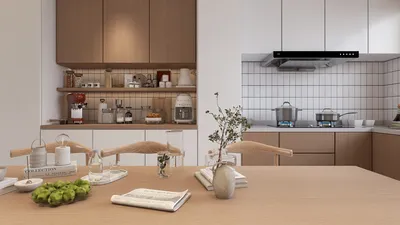


Crafting a meditation hall is an intricate task that necessitates thoughtful planning to establish a setting that encourages peace, calmness, and mindfulness. Here are vital design principles to consider when transforming your vision into reality, perhaps even using tools like Homestyler to visualize your plans.
1. Space Configuration and Dimensions
The configuration of the meditation hall is paramount to its overall impact. It is preferable to have an open and fluid space. A minimum of 800 square feet is ideal for smaller groups, while larger gatherings may need at least 1200 square feet. An open floor layout allows for versatile seating options, whether that be cushions, mats, or chairs according to individual preferences.
Maximize natural light in the area; large windows or skylights help foster a connection with the outdoors, crucial for creating a tranquil ambiance. Additionally, have options to control light levels, such as blinds or curtains, to preserve serenity during meditation.
2. Sound Management
Acoustic factors can greatly influence the depth of meditation. Therefore, consider integrating soundproofing materials within the walls and ceilings to reduce outside noise. Soft furnishings, like carpets and drapes, contribute to sound absorption, fostering a quieter environment. It may also be beneficial to add soothing sound elements, such as a gentle water feature or nature sounds, to elevate the meditative experience.
3. Air Quality and Ventilation
Maintaining excellent air quality is essential in any meditation setting. Ensure adequate ventilation via windows, or mechanical systems if necessary. Including indoor plants purifies the air while adding a natural touch and soothing atmosphere. It is also wise to choose low-VOC (volatile organic compounds) materials for the hall's construction and furnishings to ensure a healthy space.
4. Color Aesthetics and Materials
The selection of colors and materials can significantly affect the mood within the meditation hall. Soft, muted hues such as pastels or earth tones are ideal for creating a calming environment. Using natural materials like wood, stone, and bamboo for flooring and furniture can strengthen the connection to nature. It’s best to avoid bright, jarring colors that could distract or overwhelm the senses.
5. Inclusivity and Accessibility
Ensuring accessibility is fundamentally important in design. Make sure the meditation hall is wheelchair-friendly, and that seating configurations accommodate individuals with various requirements. Providing options such as cushions, benches, or chairs will enhance the space's welcoming nature. Additionally, consider including gender-neutral restrooms and personal reflection areas to support inclusivity.
6. Extraneous Features
Depending on your audience, you might want to integrate extra features such as:
By adhering to these design principles, your meditation hall can evolve into a sanctuary of tranquility and mindfulness, inviting all who enter to savor a moment of peace amidst the hustle and bustle of everyday life, potentially with the help of Homestyler for layout and visualization.
FAQ
Q: What is the optimal size for a meditation hall? A: Typically, a range of 800 to 1200 square feet is recommended, contingent on the size of the group.
Q: How can I enhance the acoustics in my meditation hall? A: Implement soundproofing materials and add soft furnishings to help absorb sound.
take advantage of No.1 Room Design Software for your planning needs
Дизайн сейчас бесплатно
































