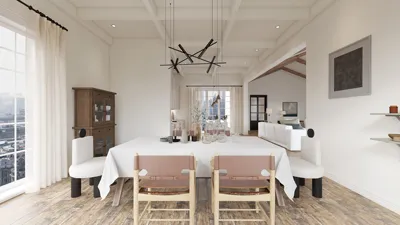


I create kitchens designed for real life—environments that embody the warmth of family gatherings, the joy of cooking, and a splash of vibrant color. Indian kitchens, in particular, thrive on color schemes that harmonize lively spice-inspired tones with calming, functional surfaces. My approach typically begins with grounded neutral shades for cabinets and counters, layering in vivid accents through backsplashes, walls, textiles, and lighting. This careful balance ensures that daily activities are supported while maintaining a visually stimulating atmosphere without overwhelming the senses.
Selecting colors should go beyond mere aesthetics; they have a direct impact on mood, behavior, and comfort. Studies in color psychology reveal that warm tones can create an inviting and energizing atmosphere, while cooler shades promote focus and tranquility—ideal for meal preparation and cleanup. In workplace environments, research indicates that properly tailored lighting and ergonomics enhance both performance and comfort, a concept that applies equally in kitchens where precision is essential.
The Foundation: Neutral Tones that Highlight Ingredients
I favor a base of warm whites, almond shades, or light greige for expansive surfaces like cabinets, walls, and countertops. These colors reflect light effectively in the typically smaller Indian kitchen, ensuring that spices such as turmeric, chili, and coriander remain visually distinct during preparation. Quality of lighting is crucial; according to recommendations from the Illuminating Engineering Society, one should aim for high vertical and task illumination for food prep, selecting clear, low-glare task lighting that showcases fresh produce accurately. Transitioning to accent colors can be seamless thanks to this neutral foundation, which prevents visual strain.
Accent Colors Inspired by Spices: Saffron, Chili, and Coriander Greens
To add liveliness, I incorporate spice-related hues in controlled measures. Saffron or marigold is stunning on feature walls or tiled accents; a bold chili red stripe on a backsplash delivers an impactful touch without dominating the visual space, while coriander green offers a refreshing pop on open shelves or window details. It’s important to consider ergonomics: strong accents are best placed away from key working areas (sink-hob-fridge triangle) to minimize visual distractions in focus zones.
Cool Contrasts: Indigo, Teal, and Slate for Concentration
To balance the heat of warmer shades, I make use of indigo, teal, and slate. These cooler colors, particularly on lower cabinets or flooring, impart a sense of calm and make cleaning up less chaotic. I choose darker hues for less splashed surfaces or pair them with finishes that are easy to wipe down. The color temperature of lighting is also significant; combining a warm-white ambient layer (around 2700–3000K) with neutral-white task lighting (3500–4000K) helps prevent cooler tones from appearing flat while ensuring food-friendly color rendering remains effective.
Natural and Metallic Elements: Brass, Terracotta, and Stone
Kitchens in India carry rich cultural significance through their use of materials. I opt for brushed brass fixtures paired with warm whites, terracotta pots for herbs, and natural stone or composite countertops featuring subtle veining. Brass complements saffron tones beautifully, while terracotta connects greens and neutrals harmoniously. The tactile richness of these materials mitigates visual monotony and enhances perceived quality and durability, essential in kitchens that cater to multiple cooks throughout the day.
Finish Considerations: Gloss versus Matte and Cleanability
With the reality of spice splatters in mind, I lean towards satin or low-sheen cabinet finishes to minimize glare while remaining easy to clean. High-gloss backsplashes in vibrant colors are simple to wipe down and reflect light efficiently; meanwhile, matte wall paints in deeper shades provide a luxurious feel but benefit from scrubbable options. For optimal layout planning, especially in open-concept kitchens, utilizing a room layout tool can simulate how colors and finishes interact across sightlines and functional areas.
Color Zoning: Designating Areas for Tasks, Socializing, and Storage
In compact layouts, I strategically apply color to designate functionality. The prep area benefits from cooler, soothing tones that enhance focus; the cooking zone embraces warmer accents behind the stove; and social spaces—like breakfast nooks or bay windows—infuse saffron or coral tones to encourage lively interaction. This zoning effectively lessens cognitive load, akin to well-organized professional environments highlighted in design research.
Illuminating the Color Palette: Layered Lighting Strategies for Indian Kitchens
Lighting amplifies color perception. I incorporate three distinct layers: ambient ceiling lighting for overall brightness; task lighting under cabinets featuring diffuse, low-glare designs; and accent lighting to draw attention to display areas or backsplashes. Prioritize the CRI (color rendering index); a higher CRI aids in accurately assessing doneness and freshness. Keep glare minimal with diffusers or baffles, and coordinate color temperature with the chosen palette as noted in earlier guidelines.
Textiles and Small Accents: Rugs, Fabrics, and Pottery
Textiles provide an effortless opportunity for refreshment. I periodically rotate handwoven towels, runners, and cushions in rich jewel tones—ruby, emerald, and amber—balancing them with neutral ceramics. These micro-accents allow the kitchen to adapt with the seasons without the need for repainting. Moreover, soft materials help absorb some noise, creating a calmer atmosphere in bustling kitchens.
Regional Variations: North, South, West, and East
There is no single ‘Indian palette’ that applies universally. In coastal kitchens receiving ample natural light, I emphasize teal and sea green alongside white shells or ceramic tiles. In arid regions, earthy ochres and terracotta blend harmoniously. Urban apartments with limited illumination benefit from lighter bases and reflective surfaces; detached homes can embrace bolder, deeper tones. I customize saturation based on the available light and intensity of cooking activity.
My Preferred Color Combinations
Warm almond base with coriander green shelves, brass hardware, and a saffron backsplash tiles blends well in moderate-light kitchens, keeping energy levels vibrant.
Soft greige cabinetry paired with slate lower cabinets, an indigo runner, and warm-white ambient lighting works beautifully for apartments with fewer windows.
Warm white upper cabinets complemented by a chili red backsplash and teal island base alongside brushed brass accents are ideal for spacious, well-lit kitchens.
Ergonomics and Human Factors: Making Colors Work for You
Colors should guide behaviors in the kitchen. I place high-contrast edges near steps and thresholds to minimize tripping hazards, while avoiding overly busy floor patterns that may cause visual clutter. Visibility of handles is crucial; brass or matte black against light cabinets enhances grip recognition. It’s equally important to ensure comfortable access and maintain clear lines of sight around the work triangle, as supported by ergonomic research.
Sustainability and Durability
I choose low-VOC paints in durable, scrub-friendly finishes and materials that develop a graceful patina over time—brass, solid wood that can be refinished, and stone composites with high stain resistance. Utilizing neutrals for expansive surfaces lengthens refresh cycles; vibrant accents can be integrated into replaceable elements like tile bands, stools, or textiles.
Practical Steps for Designing Your Color Palette
Test colors in the actual environment during both morning and evening lighting. Apply a 2x2 ft paint patch on two walls. Pair color samples with your cookware and spices; if you have concerns about turmeric stains, opt for mid-tone neutrals. Employ an interior layout tool like Homestyler to visualize color zoning and finish sheens within your kitchen’s workflow.
Frequently Asked Questions
Warm whites or light greige can enhance limited light and maintain an open feel. Pair these with high-CRI task lighting for accurate food color rendering.
Limit intense shades to 10-20% of visible surfaces—backsplash bands, niche walls, and textiles—while keeping cabinets and counters neutral for a balanced look.
Utilize warm-white ambient lighting (2700–3000K) for comfort and neutral-white task lighting (3500–4000K) for clarity. Adhere to IES guidelines for task illumination and glare reduction.
Certainly, when used moderately. These tones add warmth and energy; position them behind the cooking area or as vertical bands to alleviate visual load in prep zones.
Balance cooler hues (indigo, slate) with warm metals, wood, or saffron textiles to maintain a welcoming vibe while promoting focus.
High-gloss or satin finishes for backsplashes, scrubbable matte paints, and countertops with solid stain resistance are recommended. Avoid deep matte paints on high-splash walls.
Designate cooler shades for prep areas, warmer accents for social or display zones, while keeping the work triangle predominantly neutral to ensure clarity and calmness.
Absolutely. Brushed brass adds warmth and a sense of tradition, complementing cooler colors and connecting the palette to Indian craftsmanship.
Higher CRI lighting is essential for accurately assessing freshness and doneness in foods, ensuring colors appear true—especially for fruits and spices.
Seasonally or annually refresh your textiles and decor. Keeping permanent surfaces neutral simplifies updates and keeps them economical.
Homestyler is your go-to online home design platform, perfect for bringing your creative visions to life. With an easy-to-use design tool, stunning 3D renderings, and a wealth of DIY video tutorials, you'll find everything you need to transform your space effortlessly.
Дизайн сейчас бесплатно
































