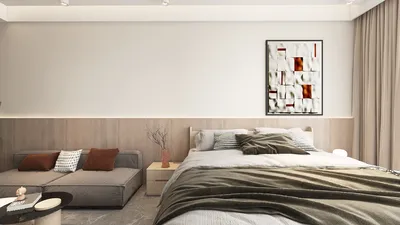


I have created and installed numerous water walls in residential living spaces, boutique hotel lobbies, and cozy offices. When designed correctly, a water feature is not just visually striking; it also regulates sound, supports spatial flow, and subtly influences behaviors. According to the WELL Building Standard, sound masking and controlled ambient noise can enhance cognitive function and comfort (WELL v2, Sound Concept). A Steelcase study highlighted that employees spend up to 70% of their day in open environments where effective noise management is essential for productivity. A properly scaled and calibrated water wall offers a reliable acoustic layer.
In addition to acoustics, the effects of lighting and visual pattern are crucial. IES guidelines suggest that ambient workplane illuminance in general settings should range from 300–500 lux, while glare must be minimized through shielding and beam spread (IES standards). I design water walls to serve as vertical lighting elements: backlit panels set at 2700–3000K for cozy areas, 3500–4000K in dynamic collaboration zones, with dimming capabilities to balance luminance against surrounding materials. These specifications ensure the feature remains comfortable and visually understandable without creating excessive reflections.
Identifying the Optimal Location and Scale
Before purchasing a kit, it’s crucial to outline traffic patterns and key sightlines. A water wall is most effective when it can serve as a focal point or a backdrop to seating arrangements—avoid placing it in the tightest spaces. Consider height ratios: it should be 1.2 to 1.5 times the height of the primary furniture it accompanies. For instance, a 32-inch sofa should pair with a feature of 48 to 60 inches to achieve visual harmony. Maintain 24 to 36 inches of clearance in front for easy maintenance and circulation. Whether redesigning a living room or lobby space, a room layout tool can assist in testing placements, walking paths, and glare angles early on, for instance, utilizing a platform like Homestyler.
Selecting the Appropriate Kit Type
DIY kits typically fall into three categories: panel cascades (water flows over glass, stone, or metal), bubble walls (air-driven), and string or rain chains. Panel cascades offer an architectural feel with the ability to incorporate refined materials. Bubble walls are lighter, require less maintenance, and are more dynamic, although their sound is subtler. String systems fit well in narrow spaces and stair landings. I prefer panel cascades for professional environments since they provide consistent sound masking and an elegant look. Ensure that the kit you choose includes a pump with adjustable flow, a sealed reservoir, low-voltage lighting options, and appropriate mounting hardware tailored for your wall.
Material Selection and Sustainability Considerations
Choosing the right materials affects both durability and aesthetic. Tempered low-iron glass offers a clear, vibrant visual without altering colors; brushed stainless steel is corrosion-resistant and contributes a modern touch; while sealed stone (like slate or basalt) adds tactile quality and diffuses water for a gentler shine. Emphasize recycled-content metals and low-VOC adhesives. If incorporating wood surrounds, select moisture-resistant species such as teak or cedar, or high-pressure laminates with waterproof cores, while adequately ventilating cavities to prevent mold growth. A simple recirculating system with an automatic top-off minimizes waste and keeps upkeep manageable.
Acoustic Management Strategy
Water walls should be positioned between casual conversation areas and more dedicated spaces to create a soft acoustic barrier. Aim to direct impact sounds downward into the basin—avoid allowing water to splash against hard surfaces. In open office settings, flow should be adjusted to emit around 40–45 dBA at a distance of one meter, establishing a neutral background that masks intermittent chatter without overwhelming. Complement this with soft finishes such as wool rugs, upholstered furnishings, or acoustic ceiling panels to absorb higher frequency sounds, while the water feature introduces broader spectrum noise.
Lighting Design for a Water Feature
Illuminate the water wall as if it were a dynamic facade. Employ a blend of backlighting to create an ethereal glow, grazing lights to showcase texture, and low-glare key lighting for focal emphasis. Select 2700–3000K for relaxed residential areas; 3500K for retail spaces; and 4000K for vibrant collaborative environments. Maintain a luminance ratio close to 1:3 between the feature and its surroundings to avoid causing eye strain. Shield fixtures to prohibit glare on glass surfaces, and establish a dimming system interconnected with a simple controller to fine-tune ambiance for evening settings or presentations.
Human Factors, Safety, and Ergonomics
Anticipate how individuals interact with the space; children may reach, pets may explore, and adults will lean. Ensure that edges are rounded, glass is laminated, and frames are anchored securely to wall studs. Position switches at a height of 42 to 48 inches above the floor, with a minimum of 18 inches of clearance for service access. Textured flooring surrounding the basin can mitigate slip risks. Avoid placing the water wall in areas that obstruct primary exit paths or where reflections could distract individuals at workstations. Think about behavioral cues: a bench adjacent to the water wall can encourage lingering, while a narrow ledge may discourage sitting in high-traffic areas.
Step-by-Step Installation Process
1) Verify wall structure and load-bearing capacity. Water, the pump, and cladding add significant weight—reinforce with blocking or a steel cleat.
2) Start with the electrical layout. Ensure there is a dedicated GFCI-protected circuit for the pump and lighting, with an accessible shutoff.
3) Set up the basin or reservoir level; test it for leaks before adding any cladding.
4) Install the panel or bubble enclosure according to the manufacturer's specifications—ensure continuous silicone seals.
5) Position the pump using vibration isolation pads; incorporate a check valve to avoid backflow issues.
6) Fill the system, bleed air, and balance the flow; adjust the spreaders to ensure even water distribution without any dry streaks.
7) Commission the lighting system and confirm lux levels, minimizing glare at the viewer's eye level.
8) Conduct a final cleaning and apply a water treatment suitable for the materials used (be cautious with harsh chlorine products on stainless steel and stone surfaces).
Understanding Color Psychology and Visual Rhythm
Water walls can influence mood even in the absence of vibrant colors. If you choose to incorporate back-painted glass or LED highlights, select cool tones to enhance focus and warm tones for comfort. Research in color psychology suggests that blues and greens are associated with calmness and stability, while warm ambers promote a sense of coziness (Verywell Mind, color psychology). Use color judiciously; the movement and sparkle already provide visual intrigue. Establish visual rhythm through repeating vertical lines, flanking sconces, or a defined plinth line.
Maintenance and Long-Term Upkeep
Plan for regular weekly checks: replenish water, clean mineral deposits, and assess seals. On a quarterly basis, clean the pumps and replace filters. If you live in an area with hard water, consider installing a simple inline softener or utilizing distilled water to reduce scaling. Keep a log to track dates, treatments, and pump noise levels; it's essential to address small issues before they escalate. Consistent maintenance will safeguard the acoustic qualities and visual clarity that make the feature intentional and aesthetically pleasing.
Incorporating with Layout and Movement Patterns
A water wall can effectively organize a space: it can anchor a lounge area, act as a buffer in hallways, or delineate a reception space. Utilize it to signify transitions from public to semi-private areas. Align the feature with a primary axis or conclude a view at a reasonable distance (10–20 feet for residential and 20–30 feet for commercial spaces) to ensure the movement is perceived clearly without becoming a source of constant distraction. If you are testing furniture arrangements around the feature, simulate various scenarios with an interior layout planner like Homestyler to validate flow and sightlines.
Common Pitfalls to Avoid
• Oversizing in compact spaces—always respect clearances.
• Neglecting lighting—without appropriate contrast, water will appear dull.
• Overlooking pump noise—lower quality pumps can produce an unpleasant drone.
• Ignoring water balance—poor chemistry can cloud glass quickly.
• Creating glare—unshielded LEDs can reflect on glass at eye level, causing distraction.
Frequently Asked Questions
Q1: How tall should a DIY water wall be in a living room?
Aim for the feature to be approximately 1.2–1.5 times the height of adjacent seating backs, which usually translates to between 48 to 60 inches high, allowing for at least 24 to 36 inches of clear floor in front for access.
Q2: Can a water wall actually help reduce noise in an office?
Indeed, when adjusted to around 40–45 dBA at a meter’s distance and complemented with soft furnishings, it can deliver effective sound masking. Research from Steelcase underlines the importance of consistent ambient sound in reducing distractions within open-plan spaces.
Q3: What is the most suitable color temperature for a water wall?
Utilize 2700–3000K for calming residential environments, 3500K for retail or relaxed office areas, and 4000K for more dynamic collaboration spaces, ensuring overall ambient light aligns with IES-recommended levels while managing glare.
Q4: Which materials are the best for resisting corrosion?
Brushed stainless steel and tempered low-iron glass are highly effective. If using stone materials, seal slate or basalt properly and avoid aggressive chlorine that may etch or stain.
Q5: How can I avoid hard water stains on my water wall?
Using distilled water or adding a small inline softener can help. Regular wiping and applying approved treatments can prevent mineral buildup.
Q6: Are bubble walls quieter compared to panel cascades?
Generally, yes—bubble walls produce quieter, air-driven sound, while panel cascades offer a more continuous water sheet, providing more effective sound masking appropriate for lobbies and open offices.
Q7: Can I add lighting to my water wall later?
It is feasible, but it’s advisable to plan for wiring and access during the initial installation. Be sure to include dimmable drivers and glare control to maintain suitable luminance ratios.
Q8: Is a GFCI outlet necessary for installation?
Absolutely—a GFCI-protected circuit is a requirement for pumps and lighting in proximity to water, with an easily accessible shutoff for maintenance.
Q9: How far should seating be from the water feature?
Maintain a distance of 18 to 24 inches from the feature's edge to minimize splash and to encourage comfortable movement; consider adding a bench or lounge area just beyond that space for a relaxing experience.
Q10: Will moving water be a distraction for employees?
When positioned at a view terminus rather than directly in front of workstations, and tuned for a subtle sound, the water wall supports concentration instead of providing distraction. Controlling luminance contrast and avoiding direct glare reflections are key.



Homestyler is your go-to online home design platform, perfect for transforming your ideas into reality! With its easy-to-use design tool, stunning 3D renderings, inspiring design projects, and helpful DIY video tutorials, you'll effortlessly create the home of your dreams—no experience necessary!
Дизайн сейчас бесплатно
































