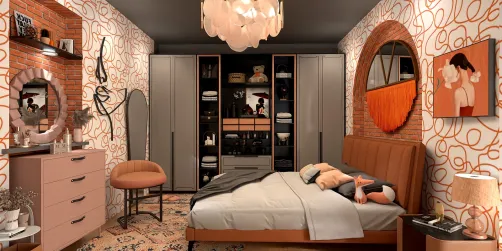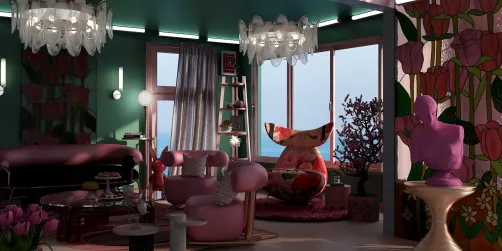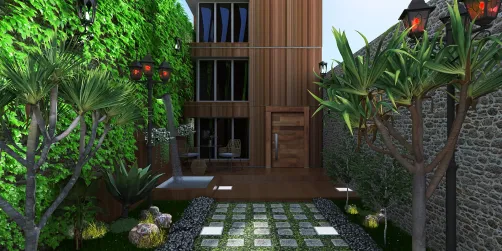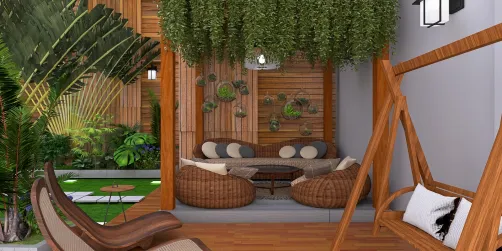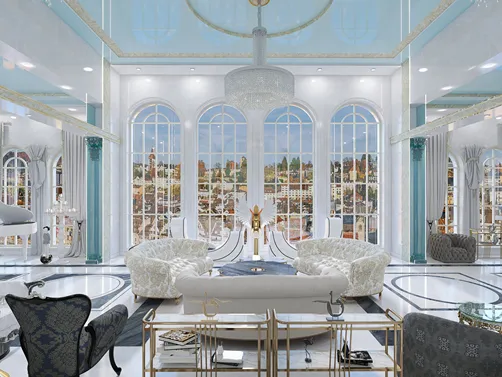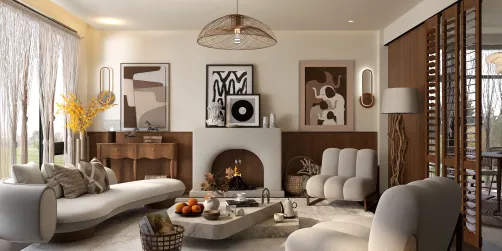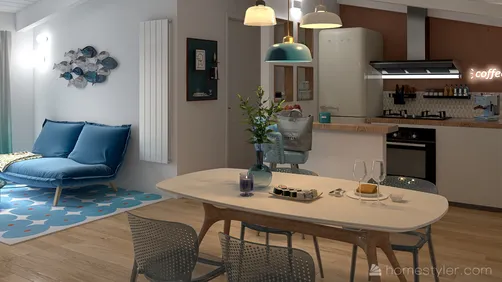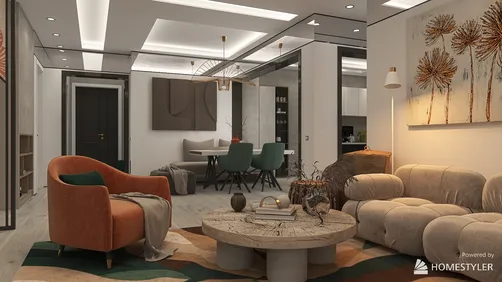
Integrating concepts from organizational psychology into the design of office spaces can greatly improve both efficiency and employee satisfaction. It's essential to grasp how individuals interact with their surroundings to create environments that boost productivity and well-being. In this article, we will delve into designing an office that adheres to psychological principles and incorporates tools like Homestyler to visualize these concepts effectively.
1. The Value of Open Areas
Open office designs facilitate collaboration and effective communication among team members. However, striking the right balance between openness and privacy is key. Studies suggest that excessive openness might lead to increased distractions. Thus, integrating semi-open areas or quiet zones can sustain focus while promoting interactive engagement.
2. Elements of Biophilic Design
Incorporating nature into workplace design—often referred to as biophilic design—has been shown to decrease stress and elevate mood. Incorporating elements like indoor plants, maximizing natural light, and providing views of nature can create a more inviting and soothing workspace. Such a connection to the outdoors may also foster creativity and enhance cognitive abilities.
3. Versatile Workspaces
Creating versatile workspaces empowers employees to select their preferred work methods. Options might include standing desks, collaborative areas, or peaceful zones. This kind of flexibility caters to various work styles and nurtures a sense of ownership regarding their work environment, which can be effectively modeled using Homestyler.
4. The Psychological Impact of Color in Design
The color scheme of an office can profoundly affect both mood and productivity. For example, blues are known to enhance concentration, while greens can stimulate creativity. It's beneficial to select a color palette that aligns with the company branding while also catering to the psychological needs of employees' work environments.
5. Prioritizing Ergonomic Furniture
Investing in ergonomic furniture is vital for the health and productivity of employees. Features such as comfortable seating, adjustable desks, and optimal workspace arrangements help mitigate physical discomfort and reduce the risk of injury, thus leading to greater job satisfaction and minimized absenteeism.
Frequently Asked Questions
Q: How does office design influence employee productivity? A: Thoughtful office design creates an optimal environment that reduces distractions, fosters collaboration, and accommodates individual work preferences, significantly enhancing overall productivity.
Q: What advantages does biophilic design offer within office environments? A: Biophilic design contributes to stress reduction, mood enhancement, increased creativity, and improved cognitive functions by fostering a connection to nature.
Discover the leading Office Design Software to transform your workspace.