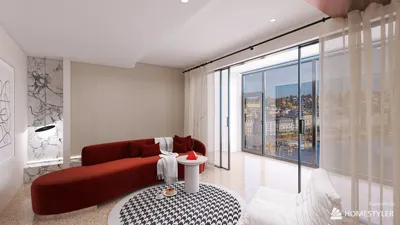


For many years, I have designed homes for small spaces, and one of the most discerning groups of inhabitants are cats. An effective indoor cat house combines elements of safety, stimulation, and cleanliness. It should accommodate natural feline behavior—promoting vertical exploration, concealed resting spots, and warm sunbathing—while being easy to maintain by humans.
Comfort encompasses more than just plush cushions; it also involves managing temperature, light, and sound. According to the WELL v2 lighting standards, glare-free and well-shielded light fixtures enhance visual comfort and reduce stress—beneficial for both humans and sensitive pets. The Illuminating Engineering Society suggests maintaining ambient light levels between 100 and 300 lux in living spaces; positioning a cat house near a window with soft, diffused light helps minimize harsh contrasts. Additionally, color psychology indicates that soft blues and greens are calming, which is ideal when selecting fabrics and paint colors for anxious cats.
Design Principles: Behavior, Safety, and Maintenance
In constructing every cat house, I focus on three essential principles: prioritizing behavior, ensuring physical safety, and facilitating easy maintenance. Cats thrive on having distinct areas: a cozy hideout for retreat, a high perch for overview and security, and a play area for movement. Safety considerations include rounded edges, solid structures, and breathable materials. For ease of maintenance, opt for washable covers, removable cushions, and surfaces that are easy to wipe down, so cleaning litter and managing fur is not a recurring burden.
Spatial Ratios and Layout: From Footprint to Verticality
In most apartments, it's feasible to allocate a footprint of 60 to 90 cm if vertical space is utilized creatively. Aim for a vertical-to-horizontal ratio of 1:2 or 1:3, ensuring stability while allowing for climbing. Arrange compartments in an offset manner—not perfectly aligned—to create slight challenges for cats without imposing risky leaps. If you're assessing how the house integrates with existing furniture, employing a room layout tool like Homestyler can aid in evaluating space and pathways prior to construction.
Materials: Durable, Low-VOC, and Sensory-Friendly
I prefer birch plywood with rounded edges for its robustness; it’s easy to sand and provides a warm aesthetic. Pair this with removable, machine-washable upholstery in tightly woven fabric to resist wear. Utilize sisal or cork for scratching areas, as they are durable and blend well without overwhelming a small space. Maintain low-VOC adhesives and finishes, as off-gassing can irritate sensitive cats. A removable HDPE tray in the bottom compartment promotes easy cleaning and prevents odor retention.
Light and Thermal Comfort: Gentle Sun, Even Shade
Position the cat house to allow cats to easily alternate between sunny spots and shaded areas. Indirect morning light works best; avoid harsh afternoon glare unless you install a sheer curtain or slatted façade for diffusing light. In colder months, a self-regulating heating pad with a thermal cutoff beneath a 2 cm memory foam cushion ensures warmth without creating hot spots. Keep fabric weights between 300 and 500 gsm to provide comfort without trapping excessive heat.
Acoustic Comfort: Quiet by Construction
Cats are particularly sensitive to mid- to high-frequency noises. To minimize disturbances from televisions or kitchen appliances, incorporate double-panel walls with a 10 to 15 mm air gap in the main resting area. Use felt lining in selected small areas (not covering the entire structure, which might trap odors) to mitigate noise while avoiding fur buildup.
Color Psychology: Calm Base, Playful Accents
Employing a relaxing base palette of muted greens or cool grays fosters tranquility, while playful accents—like mustard or terracotta toys—can provide contrast and visual appeal without overwhelming your cat. Insights from Verywell Mind reveal that anxious rescues tend to feel more at ease in cooler shades, while confident cats often enjoy vibrant touches provided they're contained to movable items.
Ergonomics for Cats and Humans
For adult cats, entry points should measure approximately 18 to 22 cm in diameter; smaller openings of 12 to 15 cm work for kittens but should be planned for their growth. Perch depths of 25 to 30 cm allow cats to curl up securely without dangling, ensuring pillow stability. Position the highest perch below typical curtain-rod height to deter mischief. For ease in human cleaning, ensure the primary entry point is between 60 and 80 cm high.
Modular Concepts: Stack, Reconfigure, Refresh
Design in modules: a lower den, a mid-level lounge with side access, and an upper lookout area. Utilize dowel joints or hidden brackets to allow for the disconnection of sections for thorough cleaning. Incorporate a replaceable scratching panel, enabling simple swaps as needed without full disassembly. This modular approach keeps the structure visually appealing and cost-effective.
Ventilation and Hygiene
Incorporate small ventilation slots along the back panel to prevent direct drafts on the bedding area. Lift the base with 2 to 3 cm feet for improved airflow and easier cleaning underneath. A washable microfleece liner with a waterproof backing protects against accidents soaking into the wood. For cleaning, consider using a light, citrus-free enzymatic cleaner, as most cats dislike strong citrus scents.
Sustainability Notes
Choose plywood that is FSC-certified along with natural fiber fabrics. Use leftover materials to create toy channels or wall-mounted shelves for climbing. Opt for a minimal hardware kit that features reusable bolts rather than permanent glue; this extends the life of your creation and allows for disassembly for repairs.
Build Steps: A Practical Outline
1) Draw a design for a stacked three-compartment scheme and indicate openings and perch depths. 2) Cut the panels with rounded edges; sand for a soft finish. 3) Assemble the base with a removable tray and stabilizing feet. 4) Construct the mid-level lounge with side access and a scratching area. 5) Attach the upper perch, ensuring a slightly higher front lip to prevent cats from rolling off. 6) Install ventilation slots and felt patches for sound dampening. 7) Insert washable cushions secured with hidden fasteners. 8) Position the house to receive indirect light and check stability before your cat's new adventure begins.
Placement Strategy
Position the house to maintain a view of a window and the main living area, fostering a sense of security for your cat. Avoid placing it in tight corners near doors; unexpected entries can startle them. Use an interior layout planner like Homestyler to confirm proper circulation and accessibility.
Common Mistakes and Quick Fixes
Avoid overdecorating, as this can overwhelm your cat—opt for simple textures. Ensuring that sisal edges are sealed prevents rapid fraying; you can finish them with heat-shrink tubing or stitched hems. Failing to incorporate ventilation can lead to unpleasant odors; discreet slots can be an easy resolution. If your cat is disinterested in the house, try relocating it to a warmer, more social area and sprinkle some catnip on the highest perch to entice exploration.
FAQ
A footprint of 60 to 90 cm with three stacked levels is generally effective. Provide deep perches of 25 to 30 cm and entry openings of 18 to 22 cm for optimal comfort.
Aim for gentle ambient lighting levels of 100 to 300 lux using indirect daylight. Steer clear of harsh brightness; diffuse with sheer curtains. This aligns with residential lighting guidelines provided by IES for optimal visual comfort.
Muted blues and greens are found to be calming. Introduce brighter accents sparingly through toys or removeable cushions. The calming influence of color is well documented in psychological studies, like those mentioned by Verywell Mind.
Utilize birch plywood, low-VOC finishes, sisal for scratching, and machine-washable upholstery. Steer clear of loose fibers, as they can be harmful if ingested.
Employ double-panel walls with a small gap and felt patches to limit noise. Ensure the house is positioned away from appliances that create hum or speaker sound to reduce high-frequency stress on your cat.
It’s optional but beneficial. If you include heating, select a self-regulating pad with a thermal cutoff placed under a 2 cm cushion. Always check the surface temperature with your hand to ensure it feels warm, but not hot.
Design for ease of maintenance: integrate removable cushions, wipeable interiors, and a waterproof base tray. Ensure primary access is around 60 to 80 cm high to lessen bending while cleaning.
Yes, if you employ dowel joints or hidden brackets while adhering to a vertical-to-horizontal ratio of 1:2 or 1:3. Validate weight load and stability before allowing your cat to climb.
Position it near a window with indirect light that offers sightlines to your social area. Use a layout simulation tool to ensure unobstructed pathways.
Reposition to a cozier spot, minimize visual distractions, and sprinkle some catnip or include a familiar blanket. Creating a treat trail to the mid-level perch can also entice exploration over time.
Homestyler is an incredible online home design platform that empowers you to unleash your creativity. With its user-friendly design tool, stunning 3D renderings, inspiring design projects, and helpful video tutorials, you can effortlessly create your dream space—perfect for both beginners and seasoned designers!
Дизайн сейчас бесплатно
































