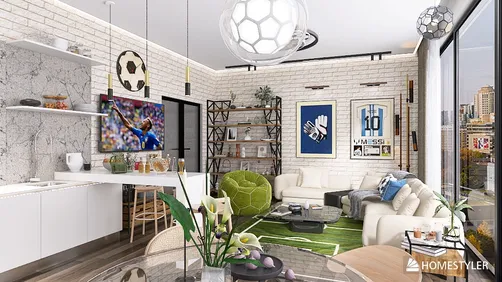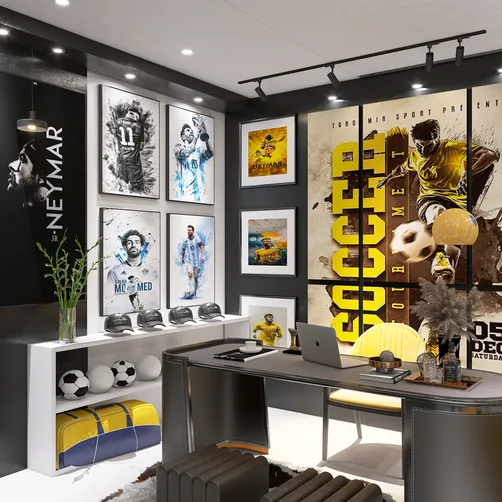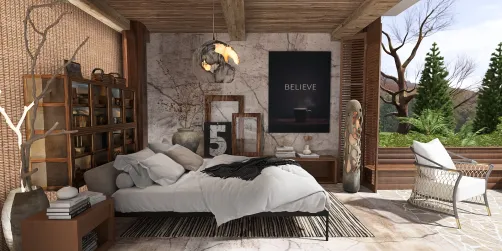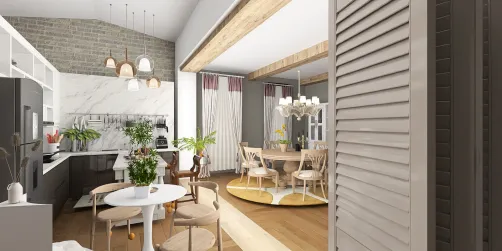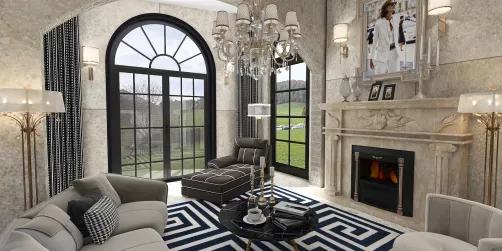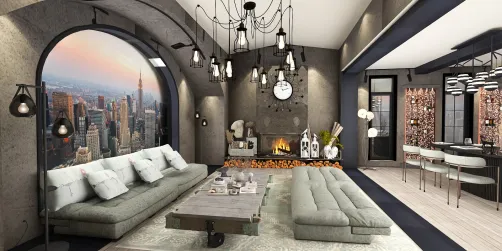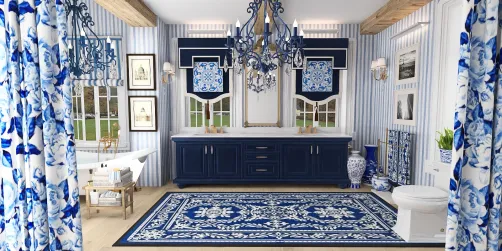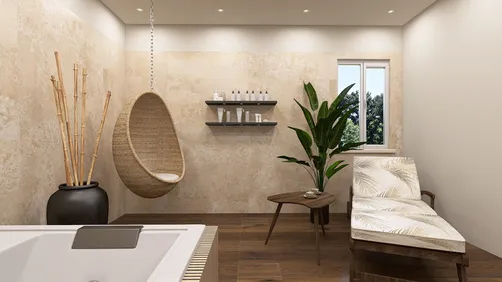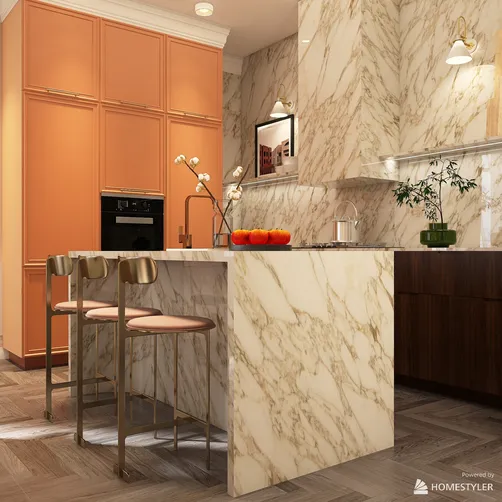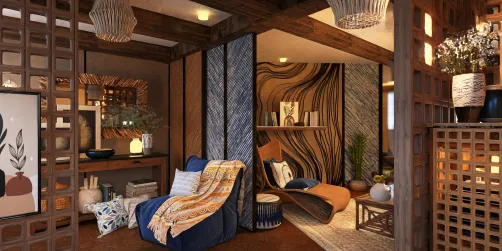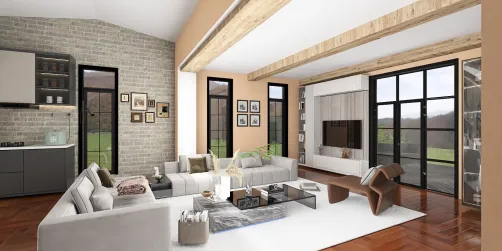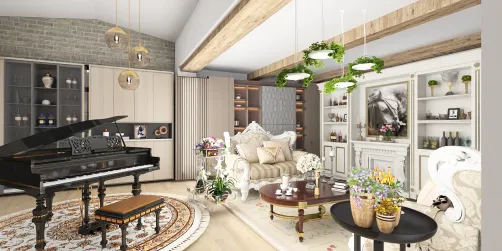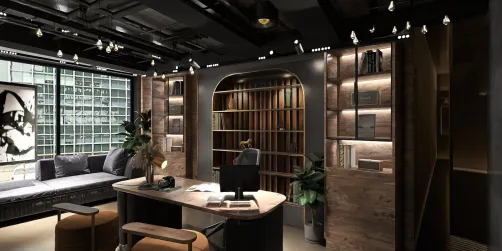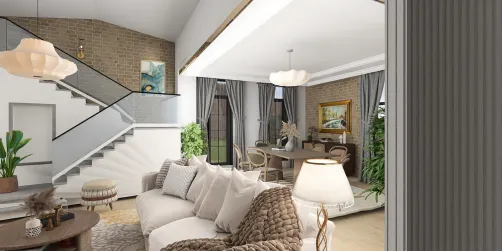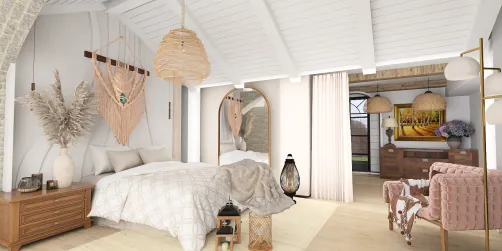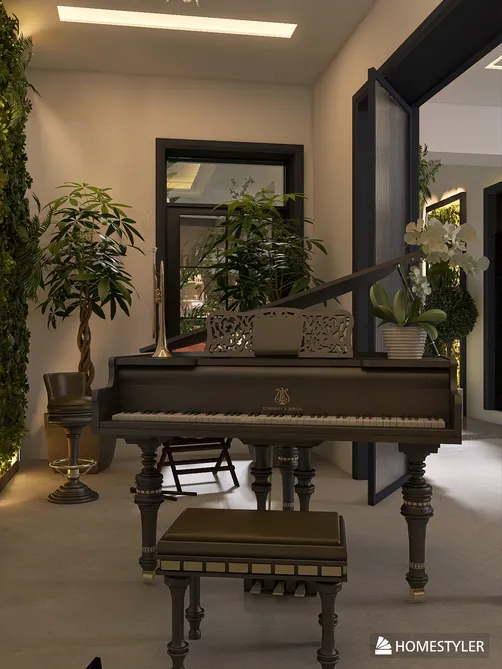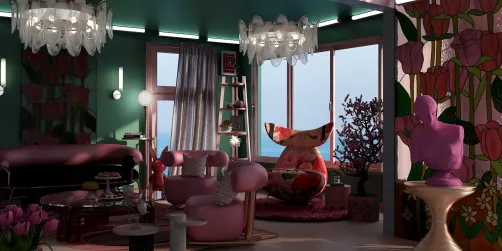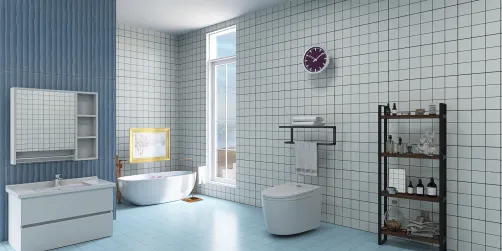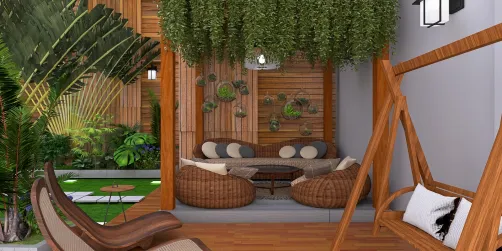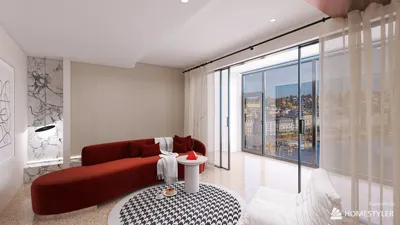
The future encroaches on our nighttime refuge and daily routines, highlighting current challenges such as noise interference, cluttered movement, and limited storage, particularly in multi-level residences. Research by the NAHB indicates a consistent demand for two-bedroom homes as household dynamics evolve and hybrid working becomes more prevalent. Within this context, two-bedroom duplex floor plans symbolize our upcoming living standards. I approach designing these spaces in a way reminiscent of software, where each room operates as a function and the thresholds serve as permissions, supported by a spatial reasoning toolkit.
Split-Level Hybrid Work + Inviting Rest
Design Framework: The primary suite is positioned above while the secondary bedroom is below, with communal spaces situated in the middle layer. This setup is a latency-sensitive arrangement, ensuring that sleep spaces remain isolated while collaboration areas are centralized.
Flow Dynamics: Enter through the living area, leading to a staircase that bifurcates—left is designated for the office or guest space, while right leads to the primary suite. This careful layout allows for daily activities to navigate without interference during peak hours.
Sightlines: From the entryway, there's a deliberate reveal into the living space; a vertical glimpse onto the staircase landing awaits, while direct lines of sight into bedrooms are avoided, prioritizing natural light and social interaction.
Storage Solutions: Features such as deep storage beneath the stairs, a wall-bay pantry, and vertical linen towers near the bathroom provide accessible and efficient retrieval options without clutter.
Furniture Considerations: A spacious 84-inch sofa complements a 10-foot span; queen-sized beds are designed with 30 inches of clearance on either side; desks measure 48 inches and include cable channels—ideal dimensions enhancing the balance between workspace and restful environments.
Conclusion: This framework is forward-thinking, accommodating hybrid working trends while maintaining distinct noise zones, allowing the social hub to remain vibrant and clear for years to come.
save pinOpen in 3D Planner Processing...
Courtyard Spine Duplex Design Concept
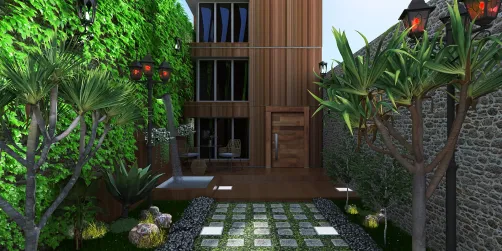
Design Framework: A narrow plot transforms into a luminous machine, with rooms flanking a micro-courtyard spine that synchronizes the upper and lower halves through the sky's influence.
Flow Dynamics: The sequence unfolds as: gate → courtyard → living area → stairs → landing → bedrooms, where the exterior void serves as an effective buffer and heartbeat within the design.
Sightlines: Diagonal layers extend from the kitchen towards the green courtyard, leading to the glass staircase; the depth creates a breadcrumb trail akin to a user interface, always indicating the positioning of home elements.
Storage Solutions: A bench wall concealing drawers, courtyard-facing storage closets, and towering wardrobes make smart use of available space, distributing storage strategically across edge conditions.
Furniture Considerations: A slim table measuring 30 by 72 inches, along with 30-inch modular lounge pieces, and platform beds featuring integrated 12-inch toe-kick storage create an efficient layout even within tight boundaries.
Conclusion: The courtyard spine design addresses light and privacy concerns without increasing square footage, promoting a resilient model for denser duplex constructions.
save pinOpen in 3D Planner Processing...
Dual-Owner Versatile Stack Concept
Design Framework: Two bedrooms are situated upstairs, while a rentable suite is positioned below—this foresight enables future profits and accommodates multigenerational living preferences.
Flow Dynamics: Entrances are divided: a shared vestibule leads to secure pathways for each unit; maintenance ducts are located centrally, ensuring that essential services do not intrude upon private areas.
Sightlines: The shared landing provides an opaque barrier; the living rooms are bathed in borrowed light from high clerestory windows—this hierarchy in information promotes privacy foremost, enhancing comfort and warmth next.
Storage Solutions: A lockable storage space in the vestibule, bike storage near the street, and bulk storage behind the laundry room provide tiered options resembling role-based access.
Furniture Considerations: The upper floor features a dining wall measuring 9 feet for a six-seat layout, including a king-size primary bedroom with 36 inches of clearance; the lower level is equipped with a studio kit that includes a 60-inch sofa-bed and a 40-inch foldable table.
Conclusion: This duplex is adaptable to different living situations—whether cohabitating, renting, or caregiving—without requiring restructuring; it anticipates the next five years of economic shifts much like a well-written program.
save pinOpen in 3D Planner Processing...
Final Insights
Two-bedroom duplex designs focus less on mere room allocation and more on permissions, latency, and light—a vital resource. Variants such as split-level hybrids and courtyard spines illustrate how duplexes can manage hybrid work needs, privacy, and storage efficiency without expanding their footprint. In my observations, the most intelligent duplex designs do not necessarily enlarge; rather, they become more purposeful, and I consistently witness how intentional spatial decisions redefine my clients' lifestyles, often emphasizing tools like Homestyler to visualize these transformations.

Homestyler is the ultimate online home design platform for all your decorating needs! With its user-friendly design tool, stunning 3D rendering capabilities, and a wealth of inspiring design projects and DIY video tutorials, turning your home design dreams into reality has never been easier.