The emerging lifestyle of mobile professionals is seamlessly merging with existing hotel challenges, such as noise disturbances, inconvenient work areas, and inadequate storage solutions for extended stays. AIA hospitality reports indicate a surge in the need for flexible workspaces, prompting me to integrate a spatial reasoning toolkit into the architectural designs of three-star business hotels—because the change is already visible at the front desk, and its influence is undeniable.
Currently, the trend of brief trips evolving into micro-residencies necessitates multifunctional rooms that prevent visual fatigue. Insights from Zillow highlight a consistent demand for tranquil, well-defined interiors, even in limited spaces. Consequently, I focus on creating a setup where travel, sleep, and work functions are organized harmoniously, ensuring a comfortable experience.
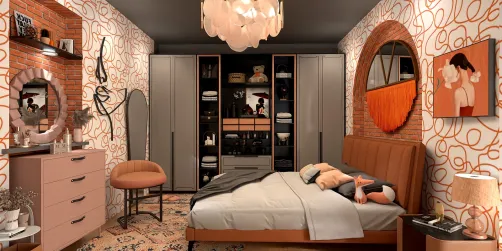
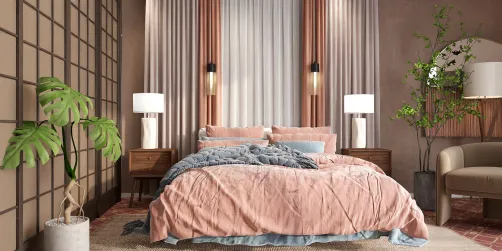
Linear Corridor with Micro-Zoned King Rooms
Design Logic: A straightforward corridor serves as a dependable transport route, connecting identical units that differentiate work, rest, and personal hygiene into distinct functions.
Flow: Entry → wardrobe storage → bathroom → workspace → sleeping area → window; this arrangement allows guests to accomplish tasks without interruptions between zones.
Sightlines: From the entrance, the desk is the primary focus, with the bed providing a secondary perspective, all framed by calming windows that ensure privacy from outside noise.
Storage: The design includes a full-height wardrobe and under-bed drawers for those staying a week, while an open shelf offers quick access to devices.
Furniture Fit: The desk features a depth of 30"–34", nightstand clearances of 18", and a circulation space of 36" around the bed, adapting the design to suit travelers with rolling luggage.
Verdict: Over five years, this configuration maintains predictable upkeep while providing guests with a tranquil and organized workflow.
save pin
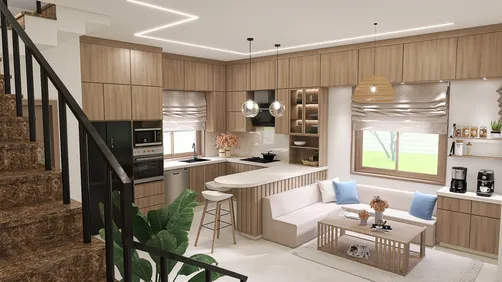
Offset Core with Quiet Pods (Double-Loaded)
Design Logic: The positioning of elevators and ice stations reduces sound transmission, transforming rooms into optimized workspaces for concentration.
Flow: Lift lobby → sound-dampening vestibule → pod room with a sliding screen → bath cube → window lounge; this progression feels like guidance rather than interruptions.
Sightlines: The screen effectively separates the bed from the desk view, prioritizing task-related elements before showcasing the bed and cityscape beyond.
Storage: Features include a vertical luggage slot, a 24" pantry shelf for meal kits, and a mesh drawer for cables, creating a well-organized space that feels spacious.
Furniture Fit: A compact sofa measuring 60" with an ottoman design, alongside a wall-mounted headboard, creates 3' of circulation space; plug sockets correspond to work habits.
Verdict: This layout effectively manages high business volumes while maintaining a serene atmosphere, ensuring readiness for future hybrid travel demands.
save pin
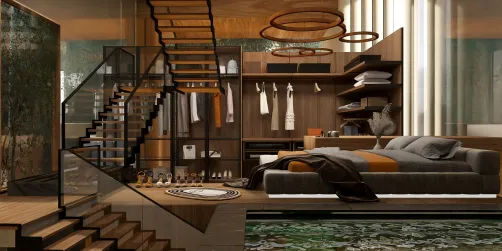
Courtyard U-Plan with Daylight-Driven Studios
Design Logic: A U-shaped structure enveloping a landscaped courtyard harnesses natural light, enhancing the cognitive functioning of travelers.
Flow: Entry → luggage bench → bathroom → studio work area → sleeping platform → balcony; this sequence contributes to a peaceful mindset prior to productivity.
Sightlines: The view focuses on greenery, while task lighting acts as a secondary interface, reducing glare from screens.
Storage: A wall rail system with adjustable modules provides scalable storage; housekeeping operates more efficiently with a visible organization system.
Furniture Fit: A table height of 28" with a 40" clearance, platform bed at 12" for under-bed storage, favoring chair design for extended use.
Verdict: Over time, this design transforms typical stays into mindful experiences—minimizing square footage while maximizing intentional usage.
save pin
## Final Takeaway
Within three-star business hotel floor plans, the future presents a harmonious interface where work and rest coexist smoothly. Various concepts, such as business traveler accommodations and compact hotel designs, highlight that size is less important than the clarity of communication. The evolving needs—silent corridor designs and efficient storage for long-term guests—are key to how the next generation of hospitality will evolve. In my experience, the most effective hospitality will not necessarily be larger but more focused and intentional, and I design for that vision with tools like Homestyler in mind.

Homestyler is your go-to online home design platform! With its easy-to-use design tool, stunning 3D renderings, and a wealth of design projects and DIY video tutorials, you can effortlessly create and visualize your dream space – perfect for both beginners and seasoned designers!