


I approach designing small wedding venues with the same precision I apply to corporate lobbies and boutique hotels: prioritizing space planning, lighting, acoustics, and flow. When designed thoughtfully, cozy areas can evoke a sense of generosity by ensuring smooth circulation, maximizing vertical surfaces, and utilizing a color palette that promotes both intimacy and celebration. Establishing a solid comfort baseline is crucial; guidelines like WELL v2 emphasize the importance of appropriate lighting levels and glare management, which are essential for guest safety and photography. Additionally, research from Steelcase indicates that environments with controlled noise and intentional zoning enhance the overall experience. This principle is particularly applicable to weddings, where clarity in speeches and the ambiance of music are both essential.
Data-driven insights underline the importance of a meticulous approach. The Illuminating Engineering Society suggests that multipurpose spaces maintain around 300–500 lux during general activities, transitioning to 50–150 lux for dining and speeches with the use of dimmable lighting layers. As for acoustics, findings from Steelcase link distractions to unmanaged sound; this means employing techniques to absorb mid-to-high frequencies in a wedding hall, ensuring that toasts are clear and music remains vibrant without causing fatigue. I focus on implementing multi-layer lighting solutions and subtle acoustic enhancements rather than overwhelming decor, allowing the functionality to serve as a foundational canvas that style can elevate. For an enhanced designing experience, consider tools like Homestyler to visualize layouts effectively.
Design the Flow Before Adding Flourish
Successful compact halls feature an obvious, unobstructed, and emotionally coherent path from entry to seating, ceremony focal point, and food service. I typically outline a straightforward loop: guest arrival, gift table, photo backdrop, ceremony stage, seating clusters, and buffet or service areas, minimizing cross-traffic. When experimenting with arrangements, using a room layout tool like Homestyler can effectively simulate seating counts, aisle widths, and stage sightlines to avoid bottlenecks and ensure ADA-compliant spacing around tables.
Scale Smart: Emphasize Vertical Features and Minimalist Decor
In tight spaces, utilizing vertical height is key. Incorporating ceiling drops, lightweight fabric swags, or vertical floral arrangements draws the eye upward without occupying valuable floor space. I recommend avoiding heavy stage structures in favor of modular lattice screens or streamlined arches that frame the couple without adding visual clutter. Candle risers, slender columns, and tall greenery can create visual rhythm while ensuring generous aisles for safe movement.
Lighting Layers That Capture Beautifully
Creating layers of light enhances the ambiance throughout the evening. Starting with a soft ambient wash of 300–500 lux pre-ceremony, I then apply focused accent lighting on the couple and tables, followed by warm, dimmable decorative points—such as pendant clusters or string lights—transitioning to dining. Maintaining a correlated color temperature in the 2700–3000K range promotes warmth for skin tones and is favorable for photography. Managing glare is essential: angling spotlights to prevent direct visibility and balancing brightness ratios are crucial to avoid blown-out highlights. For guidance on light wellness benchmarks, the WELL v2 framework offers valuable insights on glare control and circadian support.
Acoustic Comfort Without Adding Bulk
While music is an integral part of any wedding, it’s vital that speeches remain clearly audible. To address this, I incorporate soft absorptive components like textile ceiling clouds, thick curtains behind the stage, and upholstered seating to minimize reverberation. Strategically placing wide-dispersion speakers helps to avoid sound hotspots, while positioning subwoofers away from corners mitigates excess bass. Using a portable rug under the stage and a fabric-covered backdrop can help manage echo without crowding the limited space.
Color Psychology for Creating Intimacy and Celebration
In smaller venues, rich color palettes can sometimes feel overwhelming. I prefer to utilize neutral base tones (like soft ivory and dove grey) accented with controlled pops of color—such as deep berry or peacock blue for drama, and soft blush or sage green for tranquility. Research on color psychology shows that warm colors foster sociability, while cooler greens help alleviate stress. When executed correctly, these choices enhance the atmosphere without making the space feel more confined. I keep glossy finishes to a minimum, opting for matte and eggshell surfaces to decrease glare and enhance the feeling of openness within the venue.
Flexible Seating: Banquet, Lounge, or Mixed Options
Rigid banquet layouts can make small areas appear congested. I often design mixed seating arrangements that include narrow rectangular tables aligned for optimal sightlines, occasional café rounds placed at the edges, and two cozy lounge clusters intended for elders or photo opportunities. It’s essential to maintain aisles that are at least 36 inches wide, with 42–48 inches being ideal for service pathways. Utilizing lightweight, nesting chairs or Chiavari-style seating allows for quick reconfigurations between the ceremony and dinner periods.
Stage and Backdrop: Slim, Modular, and Elevated
Typically, a 6–8 inch stage riser is sufficient for visibility without creating safety hazards. Backdrops should be modular, utilizing perforated panels, slender floral arrangements, or layered fabrics secured on tension frames. Including a narrow shelf for ceremonial items and hiding cable runs along vertical supports can help maintain a clean profile. Accentuating the backdrop with side lighting, rather than from the front, helps to create depth and prevents flat-looking photography.
Circulation and Service: Minimize Cross-Flow
In compact spaces, poorly positioned food service can disrupt the guest experience. It’s best to place buffet tables or live serving counters against the longest wall, oriented perpendicular to seating, and create two access points to manage flow efficiently. Keep beverage service separate from hot food stations to reduce congestion. If you require layout testing, an interior layout planner can help model queue lengths and table reach to ensure that service staff can move smoothly without confusing guests during the ceremony.
Material Selection: Light, Durable, and Photogenic
I opt for lightweight, fire-rated fabrics, modular aluminum frames, and low-VOC finishes to expedite setup and maintain indoor air quality. Satin or taffeta accents can catch the light nicely without causing glare, while wood laminates in mid-tones photograph well under warm lighting. For an environmentally friendly option, consider reusable floral arrangements and hire rental items with documented maintenance cycles to minimize waste and enhance consistency.
Wayfinding and Micro-Zones
Signage should be clear and straightforward: indicating the entry, ceremony, seating chart, gifts, and restrooms. Introducing micro-zones—such as a dedicated photo alcove, children’s area, or an intimate blessing space—adds function without creating a feeling of overcrowding. Define these spaces with lighting rather than walls: using pin spots, LED trims, or small clusters of lanterns to subtly indicate different areas.
Storage and Back-of-House Organization
Small venues require efficient storage solutions. I designate concealed cubbies behind drapery for items such as cases, gift overflow, and vendor tools. Managing cables along perimeters and under stage skirts helps to mitigate tripping hazards. It’s also wise to establish a straightforward vendor route from load-in to stage, avoiding any pathways that cross through guest areas.
Emerging Trends for 2024–2025 in Compact Wedding Venues
Several trends are emerging for small spaces: warm dimmable LED lighting, monochrome color schemes with textural layers, slim floral structures, and projection mapping for backdrop variations without the need for physical bulk. Additionally, I’m noticing a growing preference for lounge seating arrangements that replace large head tables; this creates a more intimate setting and frees up extra floor space.
Budget Considerations: Where to Allocate Resources
Investing in lighting control, acoustic enhancements, and flexible furniture should take precedence over decor presence. Prioritizing these elements ensures an optimal guest experience and supports great photography outcomes. Rentals that can be quickly reconfigured streamline transitions from ceremony to dinner while helping to reduce labor costs.
Frequently Asked Questions
With mixed seating and effective layouts, accommodating 80–120 guests is common in smaller wedding venues. Ensure 36–48 inch aisles and plan clear paths to service areas.
Maintain general ambient light at 300–500 lux before the ceremony, then dimming to about 50–150 lux for dining, with notable accents on the couple and tables. It is ideal to keep the correlated color temperature around 2700–3000K for flattering skin tones.
Incorporate dense curtains behind the stage, area rugs, fabric-wrapped backdrops, and upholstered seating to help control sound reverberation. Small textile ceiling clouds are also useful for managing these acoustic challenges.
Arranging narrow rectangular tables aligned with the room’s longer axis optimizes capacity and visibility. You can add several café rounds around the perimeter for flexibility and social interaction.
Certainly—use modular, slender frames, vertical florals, and side lighting to create height and depth without taking up floor space. Avoid using heavy proscenium structures.
Neutral base tones like light ivory and soft grey paired with accent colors enhance the aesthetic. Matte finishes are preferred to reduce glare and create a sense of greater volume.
Position service stations along the longest wall with two access points; separate beverage stations from hot food areas to ease traffic flow and minimize cross-interaction near seating.
Employ layered, dimmable warm lighting; aim accents from angles to prevent glare and maintain brightness levels for optimal color balance. Coordination with the photographer regarding placement is essential.
Utilize a 6–8 inch riser for enhanced visibility while avoiding safety concerns. Pair it with a slender backdrop and side lighting to add depth to the overall setup.
Select lightweight chairs, nesting tables, and modular backdrops for versatility. Pre-planning storage options behind drapes along with designated staff routes will keep guest areas clear.
Prioritize investing in dimmable lighting and fundamental acoustic enhancements before focusing on decorative elements, ensuring core experiences are well-covered.
Yes—the capability to dim lights creates opportunities to shift the mood fluidly from the ceremony to dinner while keeping skin tones looking their best.
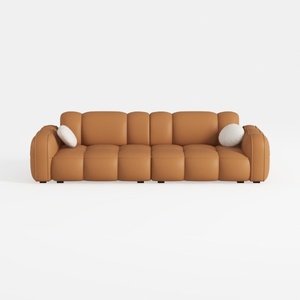

SIMPLIHOME Rex 3-Seater Modular Sofa in Full-Grain

Coaster Home Furnishings - Camacho - Upholstered C

Tennozu Linen Fabric Loveseat Sofa, Convertible Fu
Homestyler is the ultimate online home design platform for anyone looking to transform their space. With an easy-to-use design tool, stunning 3D renderings, inspiring projects, and helpful video tutorials, you'll be equipped to turn your vision into reality effortlessly. Explore your creativity today!
Дизайн сейчас бесплатно
































