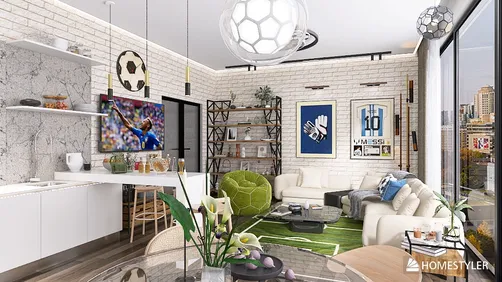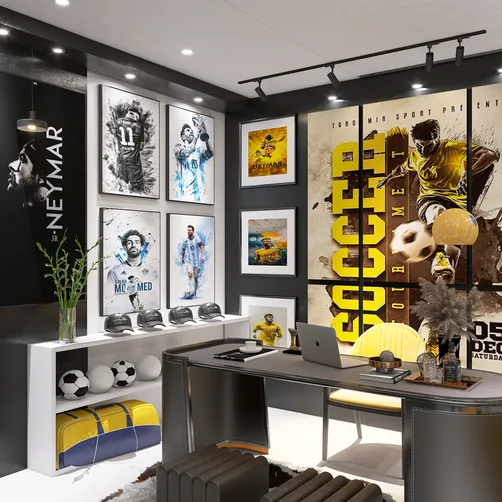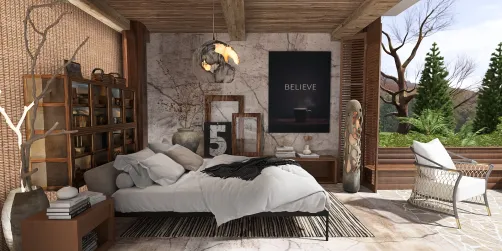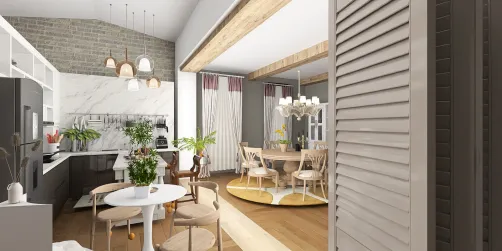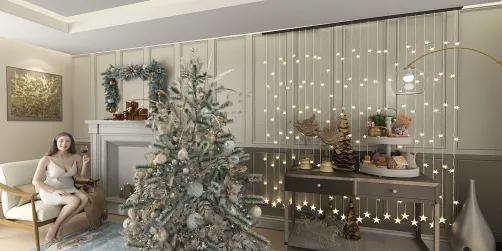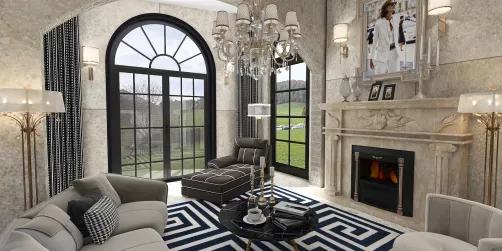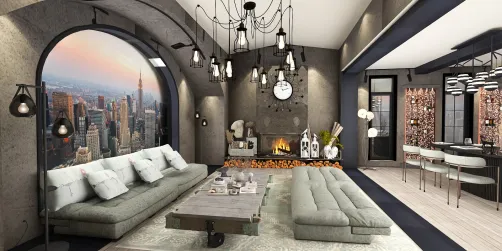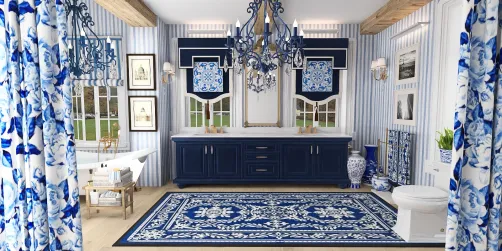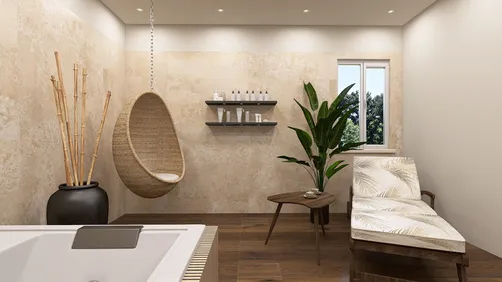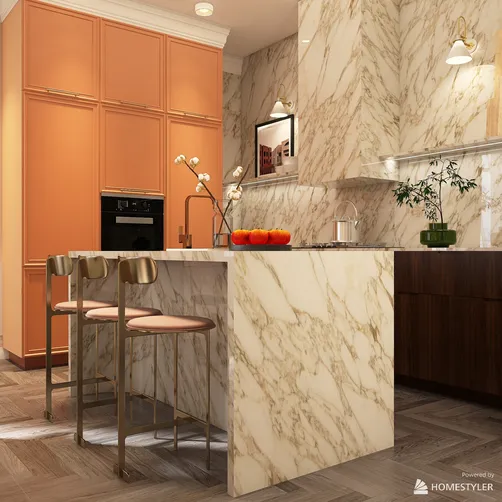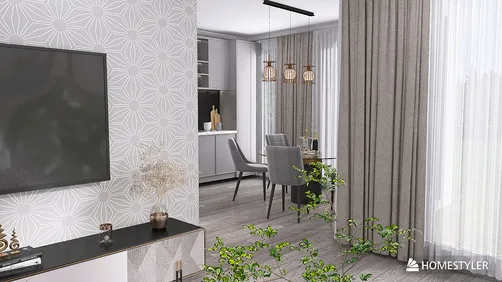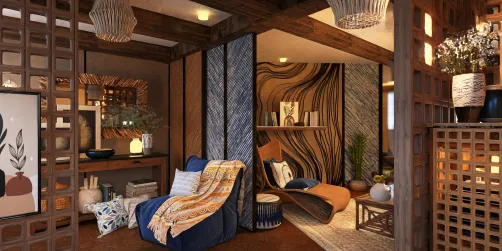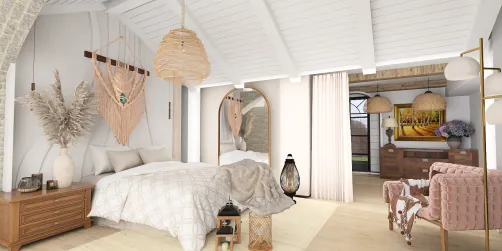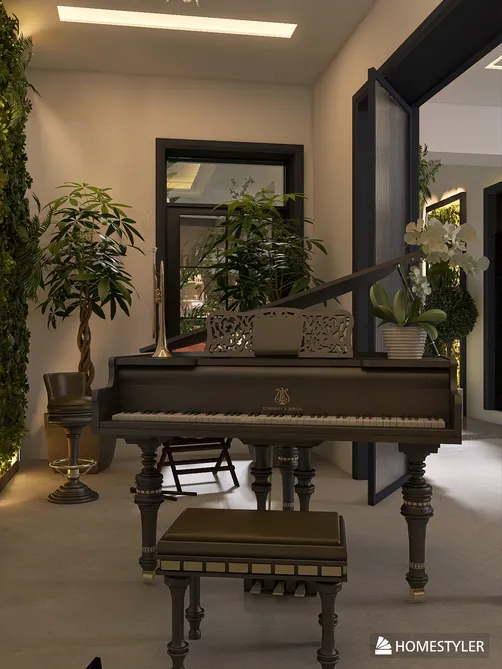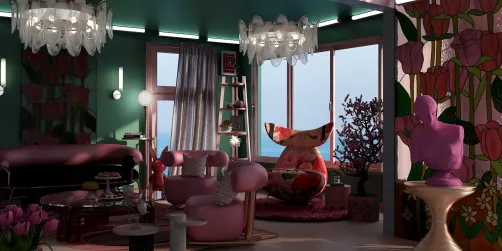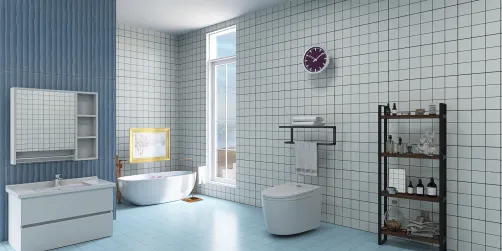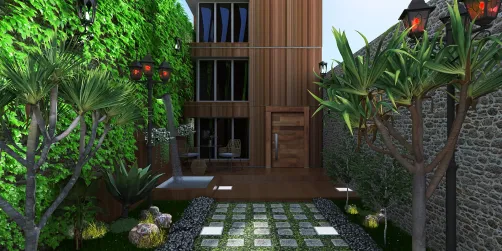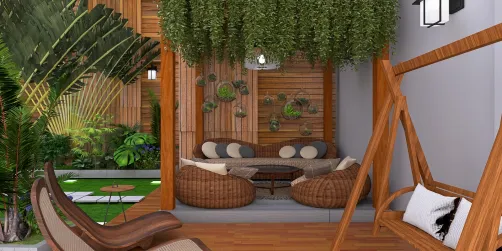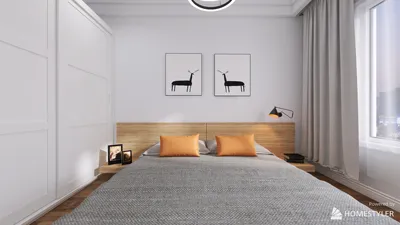
The future of living is reflected in our daily habits, and my approach to designing villas serves as a blueprint for modern lifestyle. When clients request a two-story villa layout, a solid spatial reasoning toolkit becomes crucial, as it allows for solutions to prevalent issues such as fragmented routines, excessive storage demands, and inefficient circulation. Data from the AIA indicates an increasing desire for versatile multipurpose spaces; this trend is something I consistently monitor with interest, including the integration of tools like Homestyler that aid in this process.
Split-Core Atrium Loop
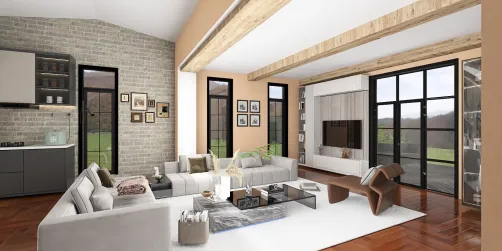
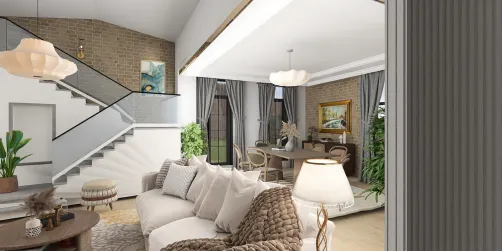
Design Logic: The central atrium serves as a hub, connecting social and private areas across two floors in a design that is adaptive to light, air, and the evolving dynamics of work and life.
Flow: The ground level connects the foyer → kitchen → living area → terrace and loops back to the foyer; upstairs, it transitions from the primary suite through a gallery to the studio, effectively minimizing disruptions in context.
Sightlines: From the entrance, there are layered vertical views toward the stairs and canopy; the kitchen maintains a horizontal interface, while the terrace provides a long-range view without acoustic disturbances.
Storage: A perimeter wall system acts as a storage solution: featuring a hidden pantry, utility bays beside the stairs, and cabinets along the gallery; this design promotes quick access to items.
Furniture Fit: Following API constraints, the modular sofa has a depth of 36 inches, the dining table measures 96 by 42 inches, and the atrium bench aligns with the column grid; upstairs, the desk spans 72 inches under the clerestory light.
Verdict: The atrium loop functions as the home's organizer—enabling seamless social interactions downstairs while allowing for solitude processes upstairs; even after five years, the rhythm of usage remains clear.
save pinOpen in 3D Planner Processing...
Dual Spine with Quiet Wing
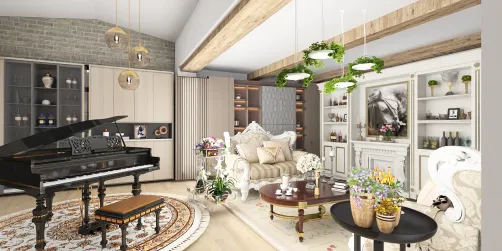
Design Logic: Two spines—one for public use and the other for service—run alongside each other, with an upstairs quiet wing designed for retreat; future living requires a quick transition between these zones.
Flow: The sequence begins with arrival → mudroom buffer → kitchen core → living gallery; the service spine incorporate laundry facilities, storage, and mechanical systems, leading to the quiet wing suite and library.
Sightlines: The public spine resembles a single timeline, while the service spine remains visually subdued; upstairs, glazing frames views of trees, keeping visual overload to a minimum.
Storage: The service spine acts as the main storage unit: with runs of 24-inch deep walls, linen towers, and library stacks; clutter is managed before it reaches the living areas.
Furniture Fit: The living wall accommodates an 84-inch media unit and acoustic panels; the library features 12-inch shelves and a reading chaise; the bedroom in the quiet wing is centrally placed within a 5-foot symmetry grid.
Verdict: The parallel spines foster predictable outcomes—noise from life is directed to service areas while signals go to quiet zones; in a decade, upkeep feels like a background task.
save pinOpen in 3D Planner Processing...
Terraced Edge with Work Suite
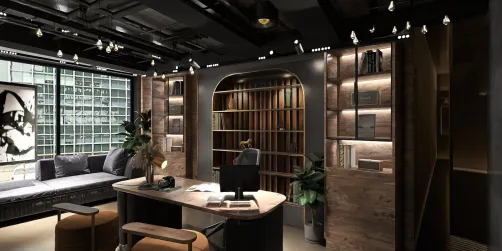
Design Logic: Terraced edges transform the outdoors into an interactive living space, while a work suite on the second floor separates focused work from social activities, aligning with trends favoring remote work.
Flow: On the ground floor: entry → kitchen island → living area → step-out terrace; upstairs: landing → work suite → additional bedrooms; the terrace staircase supports large-scale gatherings.
Sightlines: The island anchors nearby views, while the terrace provides a frame for the horizon; the work suite is designed to benefit from gentle north light, alleviating visual distraction from street activity.
Storage: Base drawers in the island, terrace bench lockers, and wall files in the work suite help to manage organization; these storage points are strategically placed to reduce context switching.
Furniture Fit: The island is 108 by 48 inches, featuring two zones for tasks; the outdoor table is 90 inches with stackable chairs; the work desk measures 80 inches with a cable management system; and bedrooms accommodate queen-sized beds on a 3-6-9 grid.
Verdict: By optimizing the edge design, daily life integrates effortlessly—work, family, and social events occur simultaneously without conflicts over resources.
save pinOpen in 3D Planner Processing...
Final Takeaway
A well-thought-out villa design plan spanning two floors should function as a responsive interface, effectively distributing focus, energy, and storage needs. Two-level living encourages adaptable zoning, remote work suites, and terrace edges that serve as expanded interfaces. The most innovative two-story villas will not simply be larger; instead, they will be more intentional in their flow, sightlines, and storage strategies. Based on my experience, minor spatial decisions constitute the foundational code that subtly reshapes my clients' lifestyles, often facilitated by resources like Homestyler.
Discover the joy of home design with Homestyler! This user-friendly platform offers an intuitive online design tool, stunning 3D renderings, and a wealth of design projects and DIY video tutorials. Transform your space effortlessly and unleash your creativity today!