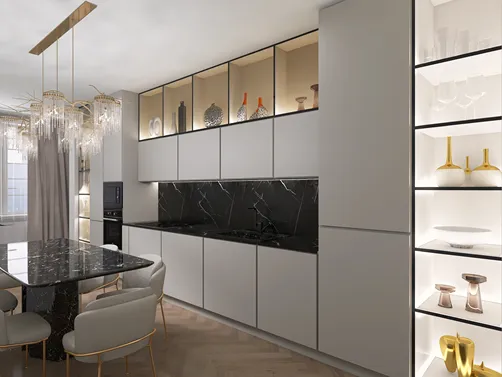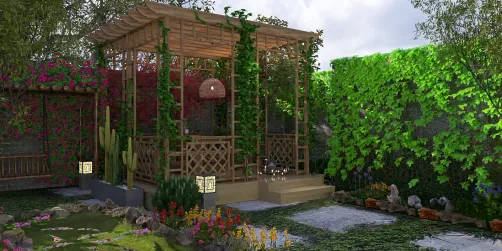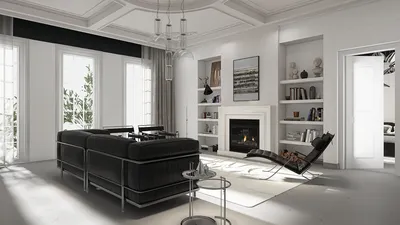
As we envision the future of living, today's homes often grapple with issues such as noise, clutter, and disjointed routines. In my design approach, I focus on creating spaces that anticipate the rituals of tomorrow. Recent insights from the NAHB indicate that homebuyers are increasingly valuing flexibility over just square footage. A thoughtfully designed two-storey layout featuring a pooja room can foster a serene environment that adapts to these evolving needs. My spatial reasoning toolkit enables me to blend tranquility with vibrant flow seamlessly.
Ground-Level Spine with Courtyard Pooja
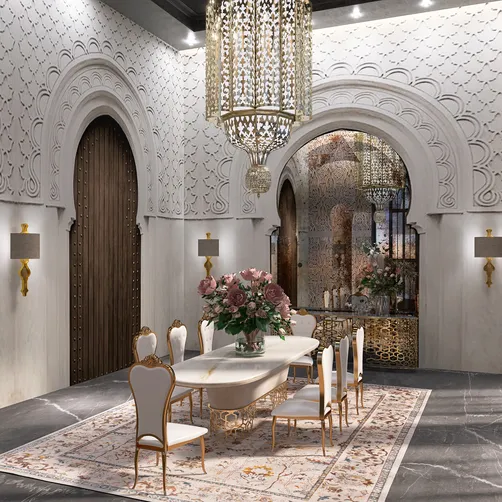
Design Logic: The pooja area is strategically positioned off the entry corridor, close to a light well, which creates a buffer between the sacred rituals and the bustling kitchen. This design also accommodates multigenerational living dynamics, ensuring that the flow of life is both impactful and harmonious.
Flow: The layout encourages movement from the entryway to the drop zone, leading into the living area, dining space, and kitchen. There’s a parallel path that connects to the pooja area, which flows out to the courtyard, facilitating natural ventilation cycles.
Sightlines: The design employs a layering approach, featuring an opaque door to the pooja area, a soft-filter view to the courtyard, and a clear visual connection from the dining space to the garden, creating natural privacy gradients.
Storage: Thoughtfully designed built-in niches for pooja essentials, a concealed drawer for shoes and incense, and a perimeter pantry for aromatic and seasonal supplies enhance utility while keeping everything organized.
Furniture Fit: The design incorporates an 84–90 inch sofa for comfort, a dining clearance of 36 inches, a pooja platform that's 24 inches deep, and a swivel accent chair aligned perfectly with the garden.
Verdict: The blend of quiet rituals and social spaces works harmoniously. Five years down the line, the courtyard continues to refresh both air and meaning without conflict.
save pin
Stair Halo with Upper Retreat Pooja
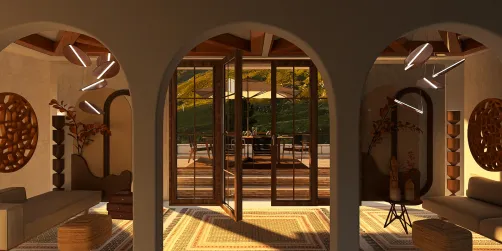
Design Logic: The pooja room is elegantly situated on the landing of the mezzanine, providing a tranquil pause between levels, which helps buffer daily transitions from work to rest.
Flow: From the ground living area, residents ascend the stairs to a dedicated pooja space, followed by access to the primary suite, with an alternative route leading to the study, maintaining worship as a gentle checkpoint.
Sightlines: A frosted screen shields the stairwell, while a skylight bathes the area in natural light, offering a framed view of the treetops—creating a gradient of experiences from the sacred to the serene.
Storage: Vertical alcoves provide spaces for idols, a narrow drawer unit holds textiles, and a landing bench accommodates lamps and seasonal decor, all utilizing clear labeling for easy access.
Furniture Fit: The design allows for 30 inches of kneeling space, an 18-inch seat stool, a 32-inch door, with acoustic panel thickness ranging from 1 to 1.5 inches—creating a harmonious rug-defined envelope.
Verdict: The staircase acts as a gateway for rituals; future routines integrate micro-pauses to help regulate mental well-being before returning to the bedroom.
save pin
Dual-Core Family Hub with Corner Pooja Niche
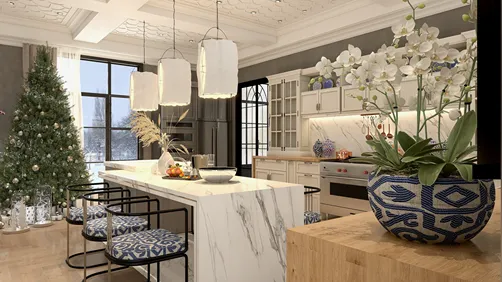
Design Logic: This design boasts two main cores— the kitchen and lounge—working in sync. The corner pooja niche features a sliding screen that allows for daily worship without obstructing traffic flow.
Flow: Transitioning from the garage mudroom to the kitchen core and lounge core, the pooja space can be accessed on-demand, preventing congestion in the main activity areas.
Sightlines: The screened niche discreetly obscures the flame, while the living area enjoys garden views and the dining area showcases artwork; this UI hierarchy skillfully prevents visual clutter and respects the ritual.
Storage: With modular shelving, heat-resistant drawers, an incense storage with venting, and labeled bins for easy identification—all designed to improve retrieval efficiency.
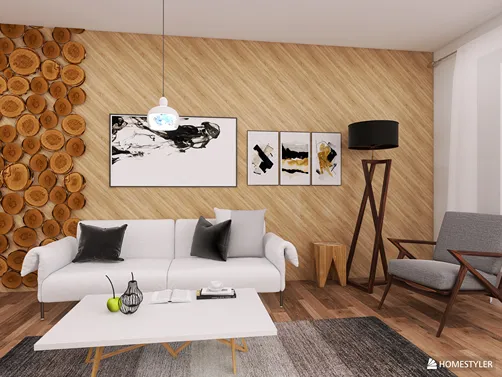
Furniture Fit: The space accommodates a table with a 40-inch clearance, a 96-inch modular sectional, a pooja niche that is 36 inches wide and 10 to 12 inches deep for lamps—intuitively designed to align with user growth patterns.
Verdict: This home operates seamlessly like stable software; rituals are integrated as a supportive sidebar rather than an interruption. In five years, this adaptability ensures its timeless appeal.
save pin
Final Takeaway
A thoughtfully designed two-storey home that incorporates a pooja room exemplifies a balance between sacred functions and clean architectural interfaces that harmonize energy, airflow, and focus. Whether featuring an upper retreat or a ground-level niche, this layout serves as a living protocol for both ritual and relaxation, showcasing a smart evolution in 2-floor home planning. In my view, homes that mature gracefully place worship at the center of design, making it an essential element rather than an afterthought. Consider integrating Homestyler to visualize and perfect such designs for modern living.

Looking to transform your space effortlessly? Homestyler offers a user-friendly online design tool that makes home design a breeze. With stunning 3D renderings, inspiring design projects, and insightful DIY video tutorials, you can bring your vision to life, whether you're a beginner or a seasoned designer!