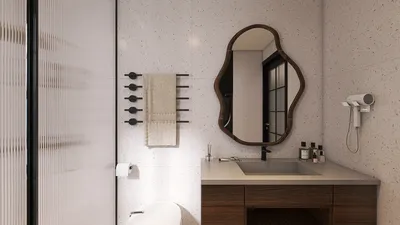


In designing servant rooms, I employ a meticulous approach akin to that of hospitality back-of-house areas and compact studio apartments, focusing on clear circulation, ergonomic task zones, and durable materials. Even when working within limited dimensions—typically ranging from 8 to 12 m²—thoughtful planning through tools like Homestyler can ensure privacy, comfort, and efficiency.
Evidence-Based Approaches for Small Service Quarters
Prioritizing sleep quality and ergonomic task design is essential. The WELL v2 standard emphasizes the significance of acoustic control and environments conducive to sleep; it suggests that sleeping areas maintain background noise levels around 35 dBA to safeguard rest. Research from Steelcase indicates that enhanced ergonomics lead to decreased discomfort and improved recovery, principles that apply equally well to staff living spaces. For lighting, the Illuminating Engineering Society (IES) recommends that task lighting be in the range of 300 to 500 lux for reading and light duties; keeping ambient lighting at approximately 150 to 200 lux fosters a soothing nighttime atmosphere.
Fundamentals of Space Planning
Creating micro zones helps reduce friction. I identify three essential areas: Rest (including a bed, blackout shade, and soft ambient lighting), Task (featuring a small desk or fold-down work surface with a 400–500 lux task light), and Storage (incorporating vertical shelving, under-bed drawers, and a lockable cabinet). Ensure there is a clear path of 750 to 900 mm from the entry point to the bed for easy movement and housekeeping. For experimenting with different furniture layouts in constrained spaces, a room design tool like Homestyler is invaluable for quick trials and spatial adjustments.
Ergonomics: Comfort, Scale, and Reach
Compact spaces can exacerbate poor ergonomic design. I aim for seat heights between 430–460 mm and work surfaces to be 720–740 mm for seated tasks; for standing tasks, heights of 900–1000 mm can help alleviate back strain. Including a 250–350 mm toe-kick under storage enhances accessibility. Ensure a minimum hanging space width of 450–600 mm and a height of 1200 mm for uniforms. If utilizing a fold-down desk, opt for soft-close hinges and keep the landing area clear.
Lighting Strategy and Circadian Rhythm Consideration
Light should be layered deliberately. Ambient lighting levels should be around 150–250 lux, using a color temperature of 2700–3000 K for a calming evening environment. Task lighting should be set at 400–500 lux with a color temperature of 3500–4000 K for clarity while avoiding glare. A nightlight should remain under 10 lux for pathway guidance, ideally with low blue light output to preserve circadian rhythms. Indirect wall washing can help reduce harsh shadows, and glare control is crucial—using matte finishes and diffused fixtures can prevent visual fatigue. These objectives align with IES recommendations for residential lighting and the WELL framework for comfort and illumination.
Measures for Acoustic Control and Privacy
To maintain a background noise level near 35 dBA for optimal sleep, ensure doors are sealed around their perimeters, opt for solid-core doors (with a STC rating of 30–34), and integrate soft materials such as dense rugs, upholstered headboards, and fabric curtains. If the room is adjacent to a corridor or service area, consider implementing a shallow acoustic panel wall (25–50 mm) or a bookcase with varying density storage to mitigate sound transmission. Providing a privacy latch and a small safe or lockable drawer can help protect personal belongings.
Efficient Storage Solutions
Prioritizing vertical storage enables more efficient use of floor space. A wardrobe with a depth of 300–400 mm that includes full-height hanging space, an upper shelf, and pull-out baskets can accommodate most storage needs. When raising the bed by 350–450 mm, under-bed drawers become a practical option; employing full-extension runners enhances accessibility. A slim utility closet (300 mm deep) can hold cleaning tools, with hooks positioned at 1400–1600 mm height and a small base tray for wet items. Keep frequently used essentials within an easy reach zone from shoulder to hip height to minimize strain.
Selecting Durable Materials
I prefer materials that are abrasion-resistant and easy to clean, such as high-pressure laminates for work surfaces, semi-gloss paint with scrub ratings, and vinyl or rubber flooring featuring a 0.5 mm wear layer for durability. It is important to choose low-VOC products to maintain indoor air quality. Upholstery should either be bleach-cleanable or have removable, washable covers. For areas prone to moisture, implementing sealed edges and coved skirting is essential to prevent water damage.
The Psychological Impact of Color and Human Factors
Color can profoundly affect stress levels and recovery. Soft neutral tones paired with desaturated blues or greens contribute to a perception of calm; research from Verywell Mind on color psychology suggests that judicious use of blue tones can enhance relaxation and concentration. To avoid a sterile atmosphere, introduce texture through woven fabrics, warm wood tones, and a single vibrant accent (such as terracotta or forest green) limited to smaller features like cushions or art pieces.
Ventilation, Thermal Comfort, and Appliance Management
In compact rooms, ensuring adequate fresh air and thermal stability is crucial. When possible, maintain cross-ventilation and avoid placing the bed directly adjacent to heat sources. If permitted, isolate a small fridge or kettle from the sleep area and provide a dedicated GFCI outlet. Keeping appliance noise levels dưới 40 dBA is important to ensure restful nights.
Furniture Arrangement Considerations
In spaces under 10 m², positioning a single bed along the longest wall typically facilitates better circulation. Place the desk opposite the bed or at its foot, maintaining a clear area of 600–750 mm in front of storage compartments. In narrower spaces (less than 2.4 m), sliding wardrobe doors are a smart choice. Incorporate a slim bedside ledge equipped with an integrated outlet and light switch for accessibility. Utilize a layout tool like Homestyler to test configurations before purchase to ensure clearances and sightlines are optimal.
Emphasis on Sustainability and Upkeep
In addition to durability, it is vital to focus on maintainability: opt for removable slipcovers, modular storage that can be reconfigured, and fixtures with replaceable parts. Choose LED lights with high efficacy (≥90 lm/W) and a Color Rendering Index (CRI) of at least 90 for superior color representation. Placing a small plant shelf near a window can enhance the sense of well-being; ensure that there are drip trays for easy maintenance.
Safety Standards and Compliance Essentials
Whenever feasible, provide dual lighting controls (at the entry and beside the bed). Ensure electrical systems adhere to local standards, incorporating tamper-resistant outlets and clearly labeled breakers. Using anti-tip anchors for tall furniture is vital for safety. Non-slip flooring (R10–R11 rating) lowers incident risks in wet environments. Keep egress routes unobstructed, avoiding the placement of heavy storage above the bed.
Checklist of Quick Solutions I Recommend
- Install a blackout shade coupled with a soft ambient dimmer for improved sleep
- Utilize a 400–500 lux task lamp designed with glare control
- Employ solid-core doors and perimeter sealing to enhance acoustic privacy
- Incorporate under-bed drawers and a full-height hanging closet for efficient storage
- Choose washable upholstery and scrub-resistant wall paint to simplify upkeep
- Equip a bedside ledge with an integrated outlet and nightlight for convenience
- Ensure a clear circulation path of 750–900 mm from the door to the bed
FAQ Section
Q1: What is the recommended size for a servant room?
A: I can successfully achieve a functional layout in 8–12 m² by prioritizing zones and utilizing vertical storage solutions. If the area is smaller than 8 m², a fold-down desk and sliding wardrobe doors can be beneficial to maintain circulation.
Q2: How much lighting is needed for reading and light duties?
A: Aim for 400–500 lux on the work surface and keep ambient light around 150–250 lux for a calming effect. These levels align with IES lighting recommendations.
Q3: What acoustic levels are ideal for enhancing sleep quality?
A: The target for sleeping areas is approximately 35 dBA in background noise. Utilize solid-core doors, perimeter seals, and soft furnishings, and select appliances that operate below 40 dBA.
Q4: Which bed size is most suitable for compact rooms?
A: A single or twin bed is optimal for maximizing circulation. Elevating the bed by 350–450 mm allows for under-bed storage without compromising accessibility.
Q5: Are fold-down desks a practical solution?
A: Definitely, provided they feature soft-close components and an unobstructed landing area. Aim for a surface height of around 720–740 mm, ensuring task lighting is positioned to the side to prevent shadows.
Q6: What colors are effective in reducing stress?
A: Utilizing desaturated blues and greens alongside soft neutrals fosters a calming environment. Introducing saturated tones should be done sparingly to maintain visual balance.
Q7: How can I plan storage effectively without causing clutter?
A: Combine a full-height wardrobe (300–400 mm deep), under-bed drawers, and wall hooks within the shoulder-to-hip reach zone. Optimize with sliding doors where space allows.
Q8: Which type of flooring offers high durability and is easy to clean?
A: Vinyl or rubber flooring with a 0.5 mm wear layer, along with coved skirting to facilitate cleaning and protect edges, is ideal.
Q9: How can I effectively reduce glare in a small space?
A: Employ diffused lighting fixtures, use matte finishes, and apply indirect wall washing. Position lights to avoid direct sightlines and reflective surfaces that amplify brightness.
Q10: Is it beneficial to include a small fridge or kettle in the room?
A: If permitted, keep them separated from the sleep area and ensure a dedicated GFCI outlet is available. Opt for models with low noise output to maintain nighttime serenity.
Q11: How can I test designs before purchasing furniture?
A: Certainly—utilize a room design visualization tool like Homestyler to confirm clearances, door swings, and reach zones before making any purchases.
Q12: What steps can I take to ensure good air quality?
A: Opt for low-VOC paints and finishes, guarantee proper ventilation, and avoid storing potent chemicals in confined spaces. Positioning a small, low-maintenance plant near a window can help the area feel fresher.
Homestyler is your go-to online home design platform, perfect for bringing your vision to life. With its user-friendly design tool, stunning 3D renderings, diverse design projects, and helpful video tutorials, you can easily transform your space, whether you're a novice or a seasoned designer!
Дизайн сейчас бесплатно
































