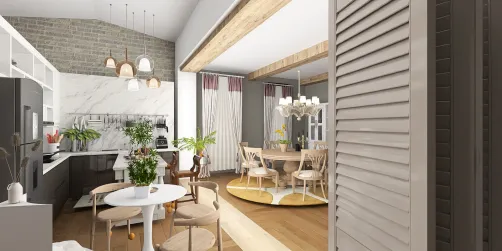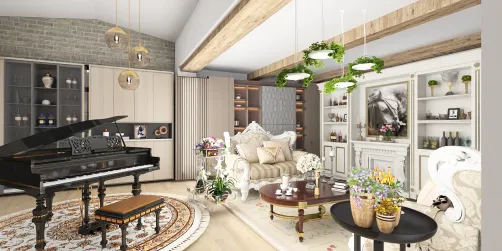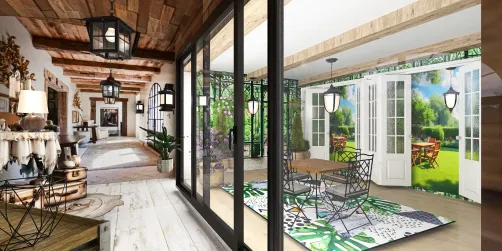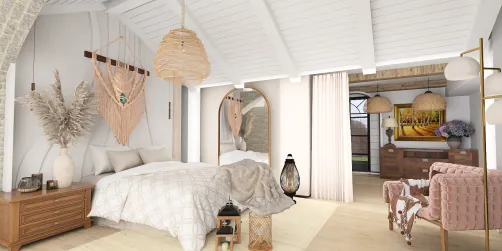
The process of designing outfits for 3D models is intricate, blending creativity and technical prowess with a deep understanding of fashion and digital design. Whether in the realms of game design, animation, virtual reality, or interior visualization, creating realistic and aesthetically pleasing attire can greatly elevate the immersion and overall quality of your projects. To embark on this journey, utilizing specialized 3D modeling software such as Blender, Marvelous Designer, or CLO 3D is essential, as these platforms offer advanced tools for fabric simulation and material rendering. Start by visualizing your clothing concept, paying attention to style, color, and fabric type, and sketch your design. Following this, employ pattern-making tools in your selected software to create each garment piece, making sure that sizes and proportions align with your model's measurements. Once modeled, simulate fabric draping and physics to achieve a lifelike fit. Then, embellish your clothing with textures, apply materials, and adjust the lighting to highlight intricate details such as seams, buttons, zippers, and decorative features. Lastly, assess how the outfit performs with the model's movements to ensure it animates smoothly. As a designer, I frequently utilize an innovative 3D rendering platform like Homestyler to visualize not only the interior spaces but also how my crafted outfits function within those settings, creating a seamless and integrated workflow.
Tips 1:
Always initiate your design process with clear references while considering the movements your model will undertake. This groundwork allows you to predict how certain garments might deform or stretch, guaranteeing that your designs remain intact during motion and across different lighting scenarios.
FAQ
Q: What software is recommended for creating 3D outfits?
A: Industry professionals often prefer Marvelous Designer and CLO 3D for their realistic cloth simulation capabilities, while Blender serves as a versatile budget-friendly option for modeling and texturing.
Q: Is it possible to use actual sewing patterns in 3D clothing design?
A: Absolutely, you can import or recreate authentic sewing patterns into software such as Marvelous Designer to achieve highly realistic garments.
Q: What is the process for texturing a 3D outfit?
A: Begin with UV unwrapping to flatten the 3D model, then apply high-resolution textures using your chosen software or specialized painting tools like Substance Painter.
Q: Why is fabric simulation important in 3D clothing design?
A: The simulation allows for natural draping, folds, and realistic movements of garments, ensuring they mimic the behavior of traditional fabric.
Q: How do I incorporate 3D outfits into comprehensive scenes, such as interiors?
A: After exporting, import the outfit alongside your model into your interior scene using a rendering platform, ensuring that lighting and material properties are harmonized for a visually cohesive presentation.

Transform your home with Homestyler, the ultimate online design platform! Create beautiful spaces effortlessly using the intuitive design tool, explore stunning 3D renderings, and gain inspiration from an extensive library of design projects and helpful video tutorials. Bring your dream home to life today!