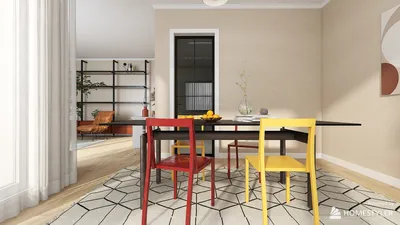


The selection of comfortable chairs in waiting halls goes beyond mere aesthetics—they play a crucial role in prolonging wait times, enhancing mood, and improving the perception of service quality. In my designs, the most effective seating solutions merge ergonomic design, easy-to-clean materials, and a layout that diminishes stress levels. According to research, Steelcase has found that varying posture can lead to increased comfort and concentration during extended periods of sitting. Additionally, the WELL v2 standard emphasizes the importance of seat dimensions, lumbar support, and sound acoustics in promoting wellbeing in communal areas. When considering color, Verywell Mind points out that shades of blue and green foster a sense of tranquility, whereas vibrant red tones can heighten alertness—particularly beneficial in environments expecting brief stay durations. Incorporating “ Homestyler” into your design process can help visualize these concepts effectively.
Factors such as seat depth, foam quality, and armrest design significantly influence comfort. Research from Herman Miller indicates that adjustable support and proper seat angles can alleviate pressure buildup during longer sitting sessions. Furthermore, the IES recommendations advocate for lighting levels between 300 and 500 lux to reduce glare in public seating areas. From a spatial planning standpoint, I arrange seating clusters to maintain thoroughfare widths of 48 to 60 inches, effectively balancing seating capacity with user privacy. Using tools like a room layout tool, including Homestyler, allows for effective simulations of space usage, ensuring optimal clearances and sightlines before procurement.
Durability and ease of cleaning are essential for evaluating lifecycle value. As outlined by the guidelines from IIDA and ASID members, commercial-grade fabrics should withstand at least 100,000 double rubs in high-traffic locations, with moisture protection being critical in healthcare and transit settings. The WELL v2 guidelines further recommend low-VOC finishes to mitigate indoor air pollutants, which I achieve through selecting performance-oriented fabrics and powder-coated frames. In transport facilities, I prefer metal or high-pressure laminate shells equipped with replaceable seating pads, while in medical and corporate environments, I incorporate wipeable textiles with antimicrobial features to ensure comfort without sacrificing hygiene.
Essential Ergonomic Guidelines for Waiting Hall Seating
I aim for seat heights between 17 inches to 18.5 inches for adult users, with a depth of 16 to 18 inches to promote thigh support without restricting blood flow. A backrest angle between 5 to 15 degrees supports the natural curve of the lumbar region; even a minor lumbar contour of 1 to 1.5 inches can significantly enhance comfort during waits exceeding 20 minutes. Armrests positioned 7 to 9 inches above the seat surface assist users in standing up—this is particularly crucial for elderly individuals and those maneuvering with luggage. In spaces where long wait times occur frequently, such as clinics, I combine seating with and without arms to cater to various body types and preferences.
Seating Arrangements That Alleviate Stress
The intentional design of spatial arrangements is paramount. Grouping seats in clusters of 3 to 5 at right angles fosters micro-privacy and minimizes direct eye contact, a common issue in busy waiting areas. Aligning seating along walls optimizes capacity without obstructing flow paths. For effective wayfinding, it's vital to maintain clear sightlines towards service counters, gates, and elevators. Creating seating areas defined with plant arrangements or low partitions that reach heights of 36 to 42 inches is ideal—they delineate zones while keeping visibility intact. When collaborating with clients, I frequently utilize an interior layout planner, including Homestyler, to model various arrangements and assess seating dynamics.
Lighting, Color, and Acoustic Considerations
Glare can lead to discomfort and reduced waiting times. I opt for indirect or shielded lighting systems and target brightness levels between 300 and 500 lux at the surface of seating areas, adhering to IES guidelines for lounges and public spaces. Color temperature is also important; warmer tones (between 3000 and 3500K) create a welcoming atmosphere, while cooler hues (3500 to 4000K) promote alertness in transit environments. Regarding color choices, muted greens and blues can decrease perceived waiting durations, whereas accents of yellow inject a sense of positivity without being overstimulating. In terms of acoustics, I recommend sound-absorbing ceiling materials (NRC ≥ 0.70), upholstered backs of chairs, and softer flooring options or rugs to mitigate noise. For larger spaces, the incorporation of sound baffles or slat walls can help manage echo without obstructing light.
Materials and Finishes Suitable for Intense Use
Frame materials such as powder-coated steel or anodized aluminum offer resistance to corrosion and ease of maintenance. For seats and backs, I prefer molded plywood paired with laminate or high-pressure laminate shells for endurance in transit applications. Upholstered options should utilize cleanable vinyl or polyurethane for healthcare settings, and performance textiles with stain-repellent qualities for corporate environments. To ensure sustainability, I seek out third-party validated low-emission certifications along with modular designs for replaceable components; being able to swap seat pads and backs can considerably lower lifecycle costs in high-traffic zones. Radius edges of 2 to 3 mm help avoid chipping and enhance comfort where users' legs transition against seat fronts.
Standards, Accessibility, and Human Elements
Accessibility is crucial. Design should include at least 5% of seating as accessible and nearby companion seats for wheelchair access. Circulation pathways should maintain widths of 48 to 60 inches to accommodate two-way movement and mobility aids. A variety of seat styles should be made available, including both armrest and non-armrest options, ensuring that at least one seat in each cluster has a sturdy armrest to assist with rising. Additionally, signage should utilize high-contrast, non-glare materials near seating sections to designate priority seating and family areas effectively.
Types of Waiting Hall Chairs
Beam Seating: This design is effective in busy transit hubs and clinics, requiring contoured shells, optional arm dividers, and built-in power connections between the beams. Tandem Upholstered Options: Ideal for corporate and hospitality settings, using medium-density foam (45 to 60 kg/m³) prevents sagging. Modular Lounge Benches: Facilitates fast reconfiguration for events, with ganging clips for secure placement. Bariatric and Plus-Size Seating: Offering widths of 24 to 30 inches ensures all users feel included and reduces wear on conventional chairs. High-Back Privacy Pods: Particularly beneficial for neurodiverse individuals or in high-stress environments, these should be lined with acoustic materials to minimize noise exposure.
Integration of Technology and Power Sources
Incorporating USB A/C ports, wireless charging pads, and integrated tables reduces clutter from devices. Effective cable management systems must be easy to service from the front and feature tamper-resistant designs for transit environments. In healthcare settings, I prefer sealed, easy-to-clean power outlets. Additionally, nighttime settings can benefit from low-level under-seat lighting to provide guidance without generating glare.
Maintenance, Cleaning, and Lifecycle Considerations
In areas experiencing high foot traffic, I recommend conducting inspections every quarter to check for loose fasteners and worn components. Choose fabrics with a durability rating exceeding 100,000 double rubs and seam strength of at least 60 lbs. Establish a cleaning schedule that includes daily disinfecting and weekly deep cleans, focusing on high-touch areas. Additionally, having extra seat pads and arm caps readily available can facilitate swift repairs.
Procurement Considerations
- Ideal seat height ranges from 17 to 18.5 inches; depth should be 16 to 18 inches, and back recline between 5 to 15 degrees.
- Armrest heights should be 7 to 9 inches; at least one armrest per two seats in lengthy configurations.
- Foam density of 45 to 60 kg/m³ is ideal for comfort; a moisture barrier may be necessary in certain areas.
- Textiles must withstand at least 100,000 double rubs and feature low-VOC finishes.
- Frames should be made of powder-coated steel or anodized aluminum.
- Power sources need to have front-serviceability with tamper protection in public transportation settings.
- Acoustic considerations should include an NRC rating of 0.70 or higher in ceilings or nearby treatments.
- Ensure that layouts adhere to 48 to 60 inches of circulation space; include 5% accessible seating with adjoining companion areas.
Practical Experiences
In a recent overhaul of a clinic's lobby area, replacing rigid plastic beam seating with contoured polymer shells that feature both arm and no-arm options, coupled with the addition of sound-absorbing ceiling panels, resulted in over a 50% reduction in discomfort-related complaints within three months. The arrangement shifted from traditional rows to angled seating clusters, establishing a primary aisle of 60 inches wide alongside two 48-inch pathways. The overall perception of wait times improved significantly—utilizing cooler green hues and better glare management had a noticeable impact.
Credible References
For further exploration into workplace comfort dynamics and the impact of environmental factors, refer to resources available at Herman Miller’s knowledge repository and WELL v2’s recommendations on seating and comfort. These sources offer valuable guidelines on posture support, material selection, and the quality of indoor environments.
Frequently Asked Questions
Q1: What are the best seat dimensions for adults in waiting areas?
A: Optimal seat height should range from 17 to 18.5 inches, with a depth of 16 to 18 inches and a backrest angle of 5 to 15 degrees, additionally implementing a subtle lumbar contour and armrests positioned at 7 to 9 inches above the seat for easier access.
Q2: How does lighting influence perceived comfort?
A: Providing glare-free and evenly distributed brightness levels of 300 to 500 lux enhances both reading and relaxation. Warmer color temperatures (3000 to 3500K) create a welcoming atmosphere, while slightly cooler tones (3500 to 4000K) promote alertness in environments such as transit hallways.
Q3: Which materials effectively balance durability and hygiene?
A: Powder-coated metal frameworks combined with molded polymer or laminate surfaces excel for heavy usage. For upholstered selections, opt for bleach-cleanable vinyl or polyurethane in healthcare, and high-performance textiles with stain release properties for corporate applications.
Q4: How can layout enhance stress reduction and improve circulation?
A: Form clusters of 3 to 5 seats to prevent direct eye contact, maintain clear 48 to 60 inch passageways, and ensure direct sightlines to service points. Utilizing a room design visualization tool, like Homestyler, can help validate seating arrangements against foot traffic and peak usage.
Q5: What acoustic strategies are useful in expansive waiting halls?
A: Utilize high NRC ceiling treatments (≥0.70) along with upholstered seating backs, wall baffles, and sound-absorbing flooring to diminish echo and background noise.
Q6: Is it advisable to integrate power sources into seating?
A: Yes, in both transit and corporate settings, incorporating USB A/C and wireless charging capabilities is prudent. Ensure that the power outlets feature tamper-resistant covers and front-access for maintenance. In medical environments, opt for modules that are easy to clean and sealed.
Q7: What should be considered for accessibility in seating design?
A: Allocate at least 5% of the seating areas for accessibility and provide adjacent seats for companions, ensuring that aisles maintain a width of 48 to 60 inches. Include both armrest and non-armrest options, highlighting at least one seat per cluster equipped with a sturdy armrest for assistance.
Q8: What foam density levels prevent bottoming out?
A: A medium density of about 45 to 60 kg/m³ achieves the balance of support and comfort without feeling excessively rigid. Implement moisture barriers in healthcare and transit areas to protect the foam from potential spills.
Q9: Which colors are effective in minimizing the perception of wait times?
A: Softer greens and blues tend to create a calming atmosphere; slight touches of yellow can introduce a sense of positivity. It's advisable to avoid extensive areas of bright red color in settings with longer waiting periods.
Q10: How frequently should maintenance for seating occur?
A: Schedule maintenance checks quarterly for hardware integrity, daily cleaning protocols, and undertake deep cleaning weekly for high-contact areas. Keeping replaceable pads and arm caps on hand ensures quick replacements to minimize disruptions.
Q11: Are beam seats still a viable option?
A: Yes, beam seating remains effective for maximizing capacity and facilitating easier maintenance. Opt for contoured seating shells, adjustable arm dividers, and integrated power options to enhance user experiences.
Q12: What is the most effective method for testing layouts pre-purchase?
A: Embrace an interior layout planner to simulate seat arrangements, ADA compliance routes, and sightline placements, testing various scenarios against expected traffic flows and peak instances.


Ostrich Beach Lounge Chair, Folding & Reclining

office chair-Powdered Pastels
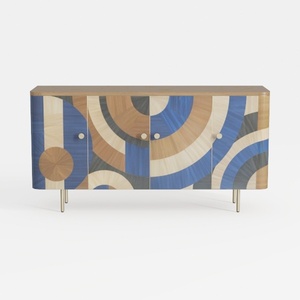
Art Deco Geometric Pattern Solid Wood Sideboard with Metal Legs 3D Model
Looking to transform your space effortlessly? Homestyler is your go-to online home design platform! With its user-friendly design tool, stunning 3D renderings, diverse design projects, and helpful DIY video tutorials, you can unleash your creativity and design your dream home in no time!
Дизайн сейчас бесплатно
































