


Dining Space Design
The 'Dining Space Design' scenario transcends conventional furniture arrangement—it is a holistic expression of culinary culture, social ritual, and spatial storytelling. As showcased in the Homestyler Room Mastery Bootcamp, this scene emphasizes intentionality in layout, materiality, lighting, and human-centered flow. Whether integrated into open-plan living areas or defined as a dedicated zone, the dining space must balance functionality (e.g., circulation, storage, seating capacity) with emotional resonance (e.g., warmth, intimacy, visual rhythm). Real-world submissions—from mountain-view rustic dining rooms to L-shaped urban salons—demonstrate how interior space planning adapts to context, scale, and lifestyle while leveraging Homestyler’s real-time 3D rendering for rapid iteration and client-ready visualization.
Design Challenges & Common Pitfalls
Common challenges include poor spatial zoning in open-concept layouts, inadequate lighting hierarchy (over-reliance on a single pendant), mismatched scale between table/chairs and room dimensions, insufficient storage integration (e.g., hiding linens, glassware, or serving ware), and neglecting acoustics and material textures that affect conviviality. Many designers also underestimate the impact of natural light orientation—especially when windows are central to the design language—as seen across top-voted entries featuring garden, forest, or mountain HDR environments. These issues directly hinder both usability and aesthetic cohesion, making strategic interior space planning essential from the first sketch.
✅ Prioritize Human-Centered Circulation & Zoning
A well-designed dining space ensures minimum 90 cm clearance around tables for comfortable chair movement and unobstructed pathways—especially critical in multi-functional zones. Use furniture grouping and subtle level changes (e.g., area rugs, ceiling treatments) to define the dining zone without physical barriers. In open layouts, align the dining axis with key sightlines (e.g., toward a window or fireplace) to reinforce spatial logic and emotional anchoring.

Maria Sinelnikova’s 'Country house dining room' exemplifies human-centered zoning: she uses a large arched window and symmetrical green upholstered chairs to anchor the dining zone within a spacious, light-filled environment. The table is positioned to maximize cross-ventilation and sightlines toward the garden HDR background—leveraging Homestyler’s sunlight and HDR tools to simulate authentic daylight behavior. Her interior space planning avoids clutter by integrating a low-profile sideboard and recessed wall sconces, preserving clear floor circulation—a hallmark of professional Homestyler design技巧.
Design Your Dining Space✨ Curate Lighting as Layered Narrative
Effective dining lighting combines ambient (ceiling or cove), task (pendant over table), and accent (wall washers, shelf lights) layers. The pendant height should be 75–85 cm above the tabletop for optimal glare control and intimacy. Dimmable controls and warm-white LEDs (2700K–3000K) enhance mood and food presentation. Avoid placing pendants directly above windows—instead, offset them to create depth and avoid reflections during daytime use.

RANS DECOR CO.’s '| HIGH IN THE FOREST |' employs layered lighting with a sculptural chandelier as focal ambient source, complemented by concealed toe-kick lighting under built-in banquettes and directional wall sconces highlighting timber textures. Using Homestyler’s no-outdoor HDR and real-time shadow simulation, they validated light dispersion at multiple sun angles—ensuring the space remains inviting both day and night. This reflects advanced Homestyler design技巧: treating lighting not as decoration but as spatial narrative infrastructure.
Start Your Cozy Lighting🎨 Integrate Culinary Culture Through Material & Detail
Materials tell stories: reclaimed wood tables evoke heritage; matte ceramic tiles suggest artisanal craft; linen upholstery whispers comfort. Integrate culinary culture via functional details—open shelving for curated dishware, integrated wine storage, acoustic wall panels disguised as decorative tile or woven rattan, and tactile surfaces that invite touch and conversation. Color palettes should support appetite and calm—avoid overly cool grays or stark whites unless balanced with warm undertones and organic accents.

Олеся Охотниченко’s 'Столовая в горах | dining room in the mountains' embodies culinary cultural integration: a live-edge round table paired with hand-carved wooden chairs echoes alpine craftsmanship, while textured plaster walls and raw-hewn stone cladding near the hearth reference local geology. She used Homestyler’s d_mountain_forest HDR and material editor to preview how light interacts with rough-hewn surfaces—validating contrast and warmth before finalizing. Her approach transforms interior space planning into cultural translation, powered by precise Homestyler design技巧.
FAQ
Q: Do I need to join the Room Mastery Bootcamp separately to submit my dining space design?
Yes—submissions made directly from the competition page will not be eligible for coins. You must enter through the official Room Mastery Bootcamp portal first to activate reward eligibility.
Q: Is this contest part of the formal evaluation for Room Mastery certification?
No. This 'Bootcamp: Dining Space' challenge serves solely as a submission gateway for Bootcamp assignments and is not scored in the certification evaluation process.
Q: What tools are allowed for my submission?
You may use up to four Homestyler AI tools per design—including Smart Layout, Style Transfer, Material Swap, and Lighting Simulator—as indicated by the toolLimits:[4] parameter.
Q: Can I submit multiple designs to the same contest?
Yes. There is no limit on submissions per user, and each entry is independently voted on during the Voting phase (statusName: 'Voting').
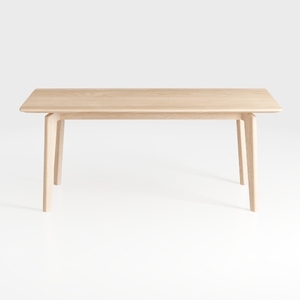
Hymus 100% Solid Oak Wood Desk - Small Writing Des
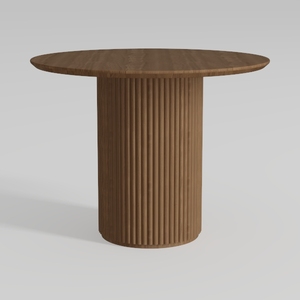
Tribesigns 47" Round Dining Table for 4, Farmhouse
Homestyler offers an easy-to-use online design tool with stunning 3D renderings, inspiring design projects, and helpful video tutorials. It’s perfect for anyone looking to create beautiful, personalized home interiors effortlessly. Give your space a fresh new look today!
Дизайн сейчас бесплатно