Creating three-dimensional representations of landforms is a fascinating intersection of art, geography, and technology. Whether utilized for educational endeavors, environmental assessments, or innovative designs, these models serve as valuable tools for visualizing terrains like mountains, valleys, and plateaus in a more accessible format. To get started on this journey, here are some guidelines to consider:
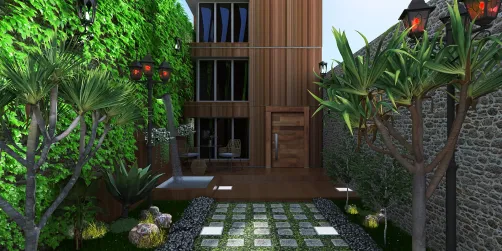
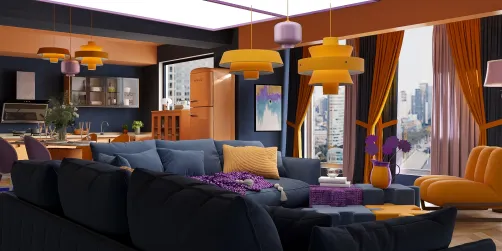
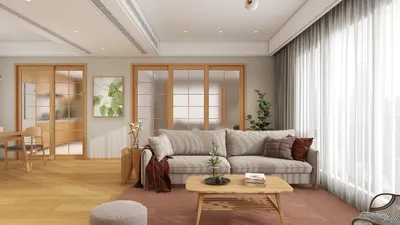
As an interior designer, I frequently incorporate these 3D models of landforms into broader spatial visualizations. This approach allows for a better understanding of how the natural landscape can shape various aspects, such as building placement, landscaping choices, and even the views from windows. Using sophisticated 3D design tools like Homestyler, which seamlessly integrate architectural planning with landscape modeling, can significantly simplify the modeling process while enriching your design narrative.
Tips 1:
Before embarking on your project, it’s essential to define your objectives. Are you aiming to create a physical model, a digital animation, or a comprehensive architectural plan? This clarity will guide you in selecting the appropriate level of detail and the software that best fits your needs.
FAQ
Q: Which software is ideal for producing 3D landform models?
A: The choice of software largely depends on your level of expertise and project goals. Applications such as Blender, SketchUp, and specialized 3D floor planners are effective for developing landforms with varying levels of detail and realism.
Q: Is it possible to use real-world data for crafting landform models?
A: Certainly! Utilizing DEM (Digital Elevation Model) files and heightmaps sourced from GIS databases enables you to accurately recreate authentic landscapes in a variety of 3D modeling applications.
Q: How significant is texturing in creating 3D landform models?
A: The application of realistic textures—such as those mimicking soil, rock, vegetation, or water—is crucial for enhancing both the visual appeal and authenticity of your model, particularly in presentations and visual displays.
Q: Can 3D printing be used for producing landform models?
A: Absolutely. Many designers opt to 3D print their digital landform models for various purposes, including educational initiatives, urban planning, or architectural prototypes.
Q: In what ways do interior designers utilize 3D landform models?
A: Designers leverage these models to analyze how natural terrains interact with constructed spaces, optimizing aspects such as building orientation, scenic views, and landscaping around unique geographical features.

Homestyler is your go-to online home design platform, perfect for creating stunning spaces! With its user-friendly design tool and impressive 3D rendering features, you can easily visualize your ideas. Plus, explore countless design projects and learn through DIY video tutorials to transform your home effortlessly!