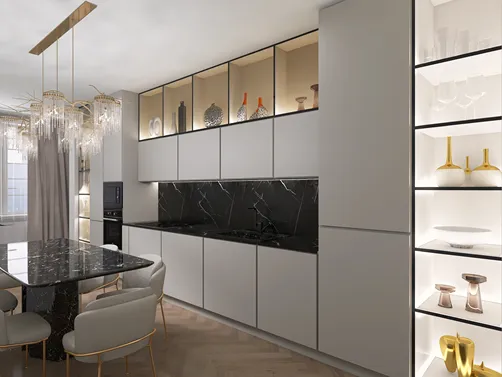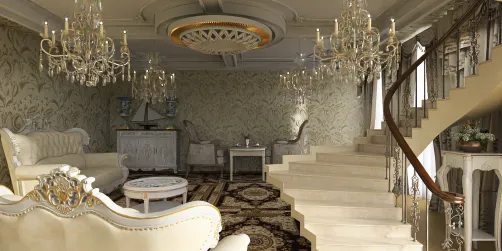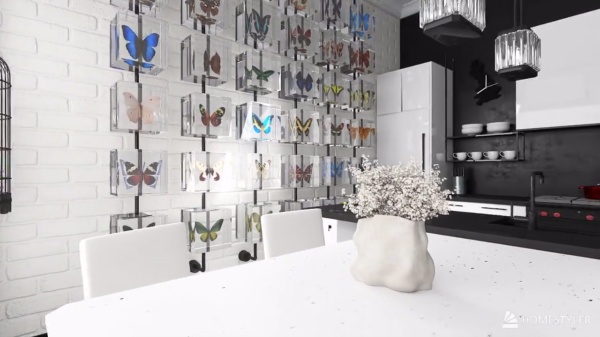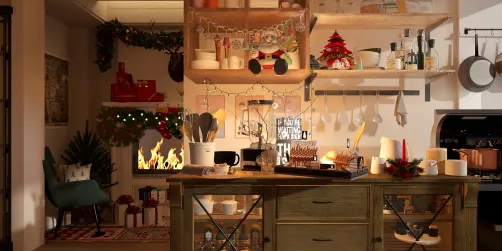
One of my most entertaining client experiences began in a partially completed basement, with bare pipes and a solitary chair placed in the center. My client enthusiastically exclaimed, “I envision a CEO’s office here!” While I chuckled, I was reminded of the incredible potential that small or underutilized spaces can harbor, sparking significant creativity. Over the years, I have discovered that even an unfinished basement holds immense possibilities if viewed as a blank canvas. Today, I'll reveal my top 10 ideas to transform that basement into a workspace you'll genuinely enjoy spending time in, and a great tool to visualize this transformation is Homestyler.
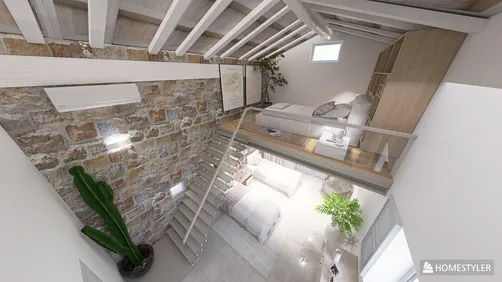
At times, I whip up a quick visual representation using a room planner, such as Homestyler, to assist clients in envisioning the transformation possibilities before we dive into any sanding or painting.
1. Embrace the Industrial Aesthetic
Rather than concealing exposed beams and ducts, showcase them. A layer of matte black paint on the ceiling combined with some Edison bulbs can create a stylish industrial ambiance. It's cost-effective, but keep in mind that unfinished spaces tend to accumulate more dust, necessitating regular cleaning.
2. Introduce Comforting Elements
Incorporating rugs, curtains, and fabric panels can quickly make a basement feel inviting. Layer various textures to offset the coldness of concrete. Be cautious about moisture — opt for materials that resist mold and are easy to maintain.
3. Optimize Natural Illumination
If your basement features small windows, ensure they remain unobstructed and use light-colored wall panels to reflect the limited sunlight. I once revitalized a dim basement by placing mirrors directly opposite the windows, resulting in an immediate increase in brightness.
4. Utilize Glass Partitions
Glass walls can divide your office from storage areas while maintaining light flow. Though they may be on the pricier side, they impart a loft-like atmosphere and create the illusion of higher ceilings.
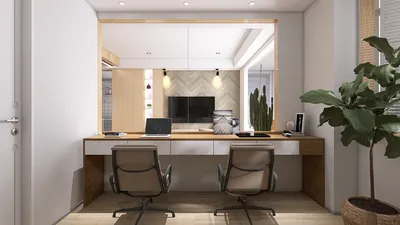
5. Design a Built-in Desk Area
Custom desks fit snugly under staircases or along overlooked walls are ideal for compact basements. I often design these layouts using a free floor plan tool like Homestyler to maximize every inch efficiently before construction.
6. Incorporate Sound-Absorbing Panels
Since basements can create echoes, placing soft wall panels or rugs beneath your desk will be beneficial. This is particularly useful for those who participate in video calls, as it enhances audio clarity and professionalism.
7. Implement Striking Paint or Wallpaper
Because it’s not a primary living area, basements provide an excellent opportunity to experiment with bold colors or patterns without affecting the rest of your home. I once applied a navy-and-gold print wallpaper for a client, who remarked that it made their long workdays significantly more enjoyable.
8. Set Up Smart Lighting
Using LED strips under shelves or smart bulbs with adjustable color temperatures can transform a basement office. Proper lighting can energize you in the morning and gently transition you into the evening.
9. Establish Distinct Areas
Even within a single space, visually segment different functions: a desk area, a reading nook, and perhaps an art corner. I usually plan this out using a kitchen layout planner, which works surprisingly well for experimenting with furniture arrangements.
10. Incorporate Greenery
Bringing plants into an underground space can breathe life into it. Opt for low-light plants like snake plants or pothos, and arrange them at varying heights for added depth and intrigue.
FAQ
1. How can I manage moisture in an unfinished basement office?
Utilize a dehumidifier and seal any wall cracks. Select moisture-resistant finishes to safeguard your furniture.
2. Can I achieve soundproofing in my basement office?
Definitely. Utilizing acoustic panels, heavy rugs, and sealing door gaps will significantly reduce noise transmission.
3. What is the most economical way to make an unfinished basement look appealing?
A fresh coat of paint, adequate lighting, and some rugs can dramatically enhance the area without requiring major renovations.
4. How can I increase natural light in a basement?
Keep windows unobstructed, strategically use mirrors, and opt for lighter paint colors to maximize light reflection.
5. Are basements suitable for remote work?
Absolutely, they provide privacy and separation from the main living areas, which can enhance focus and maintain a healthy work-life balance.
6. What type of flooring is ideal for an unfinished basement office?
Vinyl planks or sealed concrete are preferred because they are durable, moisture-resistant, and economical, according to the National Association of Home Builders.
7. How do I heat a basement office?
Common solutions include portable heaters, radiant floor heating, or extending HVAC ducts, but always check local codes for safety compliance.
8. Is it possible to create a basement office without finishing the walls?
Yes, using temporary walls, fabric panels, or modular shelving can help define the space without the need for complete drywall work.
Homestyler is your go-to online home design platform! With its easy-to-use design tool, stunning 3D renderings, and a wealth of inspiring design projects and DIY video tutorials, you can effortlessly create and visualize your dream space. Start designing today!