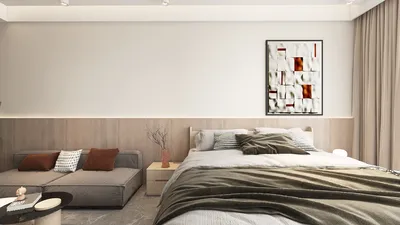


There was a time I attempted to arrange two twin beds within a 7-foot-wide childhood bedroom. Initially, I thought it would look charming, but when my client added requests for a closet, a desk, and even a cat tree, I learned a valuable lesson on utilizing space effectively. This experience taught me more about innovative layouts than any textbook ever could. Now, I chuckle at the memory of measuring three times yet still ending up with the wrong mattress. Small rooms can lead to big ideas, and in this article, I’ll present you with five twin bed designs I've successfully employed to maximize both space and aesthetics. Additionally, for those seeking visual inspiration, I recommend checking out this room planning case study that guided one of my designs using Homestyler.
1. Lofted twin bed with a workspace below
I absolutely adore the concept of lofting a twin bed to create space for a desk or play area underneath — it effectively adds a second level to the room. This setup works wonderfully for homework or hobbies, but make sure to factor in headroom and a sturdy ladder; I typically plan for reinforced framing to ensure stability.
save pin
2. Staggered bunk twins (offset bunks)
Staggered bunks feel less reminiscent of traditional hostels and offer a cozy nook filled with character. By positioning one bed slightly ahead, each child enjoys their own shelf and reading light. While this might entail custom carpentry or particular mattress dimensions, the outcome is both playful and surprisingly spacious.
save pin
3. Hidden trundle twin bed
Trundle beds are the unsung heroes of sleepovers: they provide an additional full bed when necessary, yet the room remains neat when not in use. I advise opting for a durable roller mechanism along with under-bed storage to enhance functionality — some families can eliminate the need for a dresser entirely with savvy drawers tucked beneath. For clients eager to visualize the space in three dimensions before making any commitments, I frequently present a 3D rendering using Homestyler to clarify scale and allowances.
save pin
4. Built-in twin beds with storage solutions
Built-in designs transform awkward corners into highly effective areas: consider features like pull-out drawers, bedside cubbies, and a continuous headboard shelf. While the initial carpentry expenses may be higher, I wholeheartedly believe in the long-term benefits — reduced clutter, fewer additional furniture needs, and a much more serene room overall.
save pin
5. Murphy-style twin or foldaway daybed
A fold-down twin bed that doubles as a couch during the day feels like pure magic in tiny apartments; it provides lounging options without compromising sleep quality. Keep an eye on installation and mattress thickness — thinner mattresses often fold more easily — but when executed correctly, it imparts a sense of delightful luxury. I've integrated this with an AI interior design presentation, facilitating rapid exploration of finishes and fabric selections using Homestyler, much to my clients’ delight.
save pin
FAQ
Q: What mattress thickness is ideal for trundle beds?
A: Aim for 6 to 8 inches for trundle mattresses to maintain a comfortable height for the upper bed and facilitate easy storage of the lower bed. While thicker memory foam can be used, it might necessitate a lower platform.
Q: Are loft beds safe for younger children?
A: Loft beds are more suited for older kids who can safely navigate climbing; guardrails and proper ladder support are crucial. It's best to adhere to the manufacturer's age recommendations and avoid lofts for toddlers.
Q: How should I choose between built-in and freestanding twin beds?
A: Built-ins optimize space and create a seamless look, but they are generally more costly and fixed. Conversely, freestanding beds are cost-effective and offer flexibility if you anticipate moving or reconfiguring in the future.
Q: Is it possible to combine twin beds into a larger setup later?
A: Yes, certain twin beds can be joined to form a king-size arrangement using connectors or a platform to bridge gaps; however, ensure you check for frame compatibility beforehand.
Q: What can I do to make a small twin room feel more spacious?
A: Utilize light colors, vertical storage options, and multi-functional furniture; mirrors and consistent flooring also aid in visually expanding the space.
Q: Any quick budget-friendly suggestions for upgrading a twin room?
A: Change out hardware, add a cohesive rug, and implement built-in LED lighting to enhance the area without a complete renovation. Often, small touches can yield significant perceived enhancements.
Q: Are there safety regulations in place for bunk beds?
A: Yes, the U.S. Consumer Product Safety Commission has specific guidelines regarding guardrail height and mattress fit; check their website at https://www.cpsc.gov for the most up-to-date standards. (CPSC is the authoritative body for bunk bed safety.)
Q: How do I navigate circulation around two twin beds in a narrow space?
A: Maintain at least 24 inches of clear walking space whenever possible. Utilize wall-mounted lighting, and consider repositioning beds to opposite walls or incorporating a trundle option to enhance daytime movement.
save pin
Discover the ease of home design with Homestyler! This user-friendly online platform offers an intuitive design tool, stunning 3D renderings, and a wealth of design projects and DIY video tutorials. Transform your vision into reality effortlessly, whether you're a novice or a seasoned designer!
Дизайн сейчас бесплатно
































