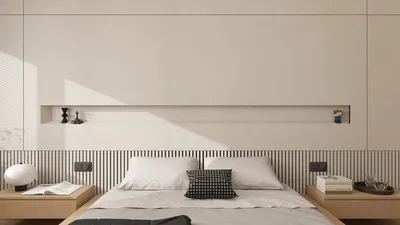


As an experienced designer who has crafted numerous living rooms throughout the last decade, I've seen hardwood flooring maintain its status as a classic option, regardless of evolving design trends. Recently, I've observed that smaller living spaces can particularly benefit from innovative hardwood selections, proving that even compact areas can inspire bold ideas. In this article, I will share 10 creative hardwood floor concepts for living rooms that merge my personal design experiences with professional insights, including how Homestyler can enhance your planning process.
1. Wide Plank Oak for an Expansive Ambiance
From my experience, incorporating wide plank oak in a 20m² living room significantly enlarged the perception of space. The gentle grain pattern provided a soothing backdrop to an urban environment.
Advantages: Fewer seams from wide planks promote a seamless visual flow, particularly beneficial in small interior designs. Additionally, this arrangement beautifully showcases the wood’s inherent charm, enhancing the overall aesthetic.
Disadvantage: In humid areas, wide planks may be susceptible to expansion, necessitating careful acclimatization prior to installation.
Pro Tip: Pairing with light-colored walls can maximize the feeling of openness—similar to the minimalist designs often featured in my projects with Homestyler.
2. Chevron Patterns for Lively Dynamics
Chevron patterns are a favorite of mine because they inject a sense of motion into the room without feeling overbearing. One client mentioned that guests consistently praise the "vibrancy" of their flooring design.
Pros: This design visually extends the room, making it a versatile option suitable for both contemporary and traditional styles. It’s also an excellent conversation starter.
Cons: Installation can be more challenging, resulting in higher costs and longer completion times.
Cost Insight: Be prepared for expenses to increase by 15–20% compared to standard planks due to the complexity involved.
3. Grey-Washed Hardwood for a Modern Aesthetic
This wood finish exudes a light, coastal ambiance. I used grey-washed flooring in a studio apartment, where it harmonized beautifully with soft linen furnishings.
Benefits: It effectively hides dust and pairs wonderfully with minimalist or Scandinavian themes. Grey hues can lend a refreshing feel to warm climates.
Drawback: In dimly-lit environments, grey-washed wood may appear lackluster; complement it with warm textiles for balance.
4. Dark Walnut for Striking Contrast
In a loft design, dark walnut effortlessly anchored the area, making the bright white walls stand out prominently—a daring yet fulfilling choice.
Advantages: This option adds richness and depth, perfect for establishing a luxurious atmosphere, especially in spaces with high ceilings and expansive windows.
Disadvantage: Prone to showing dust and scratches, which may necessitate frequent upkeep.
Pro Tip: Opt for a matte finish to achieve a subtle, modern elegance.
5. Mixed-Width Planks for Enhanced Textural Appeal
Using three different widths of planks in a single installation created a handcrafted, distinctive feel. It was a unique flooring solution that stood out.
Pros: This approach injects character into the space and can hide imperfections in older subflooring.
Cons: Strong grain patterns can overwhelm smaller spaces.
Case Example: This technique works remarkably well in rustic farmhouse-style interiors, especially when paired with warm-toned elements in the kitchen.
6. Bleached Hardwood for a Light, Open Atmosphere
Ideal for beachy or bohemian themes, bleached floors maximize natural light and create a bright, airy ambiance.
Advantages: Cements a peaceful vibe and works well in open-concept living arrangements.
Cons: Prone to stains, so sealing is vital for durability.
7. Reclaimed Wood for Sustainable Chic
Using reclaimed oak in a client’s home creates a narrative with every imperfection. It transcends mere flooring to embody heritage and sustainability.
Pros: It's eco-friendly, showcases unique character, and is often more resilient due to its aged nature.
Cons: Can be challenging to find consistent batches; additional preparation may be required for sanitization and finishing.
8. Gloss Finish for Opulent Shine
A bold choice, gloss finishes dramatically reflect light. I applied them in a penthouse project where a sense of glamour was essential.
Pros: Reflects light effectively, enhancing brightness and is easy to clean.
Cons: Shows scratches and footprints noticeably, requiring careful maintenance.
Pro Tip: Use plush area rugs to protect high-traffic zones, similar to how 3D renderings in Homestyler reveal texture harmonies in my designs.
9. Honey-Toned Maple for a Cozy Glow
In colder regions, honey-toned maple radiates warmth—a memory of a chalet visit where it made winter evenings cozy and inviting.
Pros: Strikes a balance between light and dark shades; suitable for a multitude of design aesthetics.
Cons: The lighter tone might yellow over time if not protected from UV rays.
10. Border Inlays for Elegant Definition
Using a walnut inlay border alongside lighter oak effectively delineated living and dining spaces without physical barriers.
Pros: Introduces architectural elegance and effectively defines spaces in open layouts.
Cons: Installation can be costly due to the precision required; best suited for larger rooms to fully appreciate the design.
Conclusion
Small living rooms offer tremendous potential for imaginative flooring solutions. As noted by Architectural Digest, hardwood remains the most value-enhancing option for living areas. Which of these 10 ideas could inspire a transformation in your own living space?
FAQs
1. Which hardwood floor is the most durable for living rooms?
Experts often recommend white oak for its durability and stability.
2. Is hardwood flooring suitable for a small living room?
Absolutely, especially when using wider planks or lighter tones to create an illusion of space.
3. How can I maintain the shine of hardwood floors?
Regular dusting and a floor-specific polish every 3–6 months can help maintain that shine.
4. Are dark hardwood floors still in fashion?
Yes, while trends evolve, dark hardwood continues to be a timeless choice in both contemporary and traditional designs.
5. Is it acceptable to mix different hardwood styles within a single space?
Yes, as long as balance is maintained—mixing widths or finishes within the same color palette enhances cohesion.
6. Is hardwood an eco-friendly option?
Reclaimed hardwood is renowned for being among the most sustainable choices available.
7. How much does patterned hardwood flooring typically cost?
Chevron or herringbone patterns can range from 15–30% higher in costs due to labor intensity.
8. Should my hardwood floors match those in the kitchen?
Not necessarily—contrasting styles can create interesting dynamics, especially with the assistance of color matching tools like Homestyler.
Homestyler is your go-to platform for all things home design! With its user-friendly online design tool, stunning 3D renderings, and rich library of DIY tutorials, you can effortlessly create and visualize your dream space. Transform your home design journey today!
Дизайн сейчас бесплатно
































