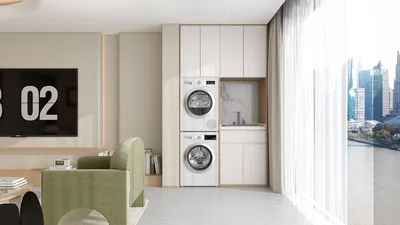


I firmly believe that smaller living rooms can spark immense creativity, especially when exploring farmhouse decorating concepts. Recently, I've observed a trend emphasizing warm textures, reclaimed materials, and a return to genuine, comfortable aesthetics. With more than ten years of experience in interior design, I have successfully transformed numerous compact areas into charming farmhouse-inspired retreats. Today, I am excited to share 10 decorating ideas that combine my personal insights with expert trends—because a small space can radiate significant charm with the right approach, possibly integrating tools like Homestyler for enhanced visualization.
1. Use a Neutral Color Palette
My Perspective: A serene, neutral backdrop has always been my favorite for farmhouse living areas. I recall one particular project where creamy whites and gentle greys made a compact 12m² room feel expansive and bright.
Advantages: Neutral hues serve as an adaptable canvas, enabling the addition of seasonal or personal touches without clashing. They also enhance natural light in smaller environments.
Disadvantages: An excessive amount of beige can create a lackluster atmosphere unless balanced with layered textures, such as rugs, throws, and wooden elements to enliven the space.
2. Incorporate Reclaimed Wood Features
My Experience: I once sourced century-old barn wood to create a coffee table that remains a talking point for my client. Reclaimed wood instantly imbues a room with character and warmth.
Advantages: It's sustainable and enriches the space with authentic texture. The National Association of Home Builders points out a growing preference for reclaimed materials among sustainable design enthusiasts.
Disadvantages: The quality may vary, necessitating extra prep work for a polished finish.
3. Opt for Vintage-Inspired Lighting
My Insight: A bronze pendant or a wrought-iron chandelier can serve as a central feature in the room. In one renovation, a lantern-style fixture instantly elevated the ambiance.
Advantages: These fixtures contribute character while providing practical illumination for seating areas.
Disadvantages: Authentic vintage items can be costly, and electrical rewiring might be necessary.
For an elegant example of how wood and metal lighting can harmonize in a farmhouse living room, I enjoy showcasing a recent project where lighting served as the focal point.
4. Create Cozy Layered Textiles
My Preference: During the colder months, I love layering thick knit throws over linen sofas. This not only creates a warm atmosphere but adds visual depth to the design.
Advantages: They provide comfort, accommodate seasonal changes, and enhance visual interest through diverse patterns and fabrics.
Disadvantages: Seasonally rotating textiles can lead to frequent cleaning and require storage.
5. Explore Open Shelving Displays
My Experience: I've implemented open reclaimed wood shelves to showcase ceramics, books, and vintage treasures—creating a down-to-earth and curated aesthetic.
Advantages: These shelves offer easy access to items and reflect personal style through decor choices.
Disadvantages: Dust accumulation is a potential issue; maintaining a cohesive look requires regular styling.
6. Consider Shiplap Walls
My Insight: In a compact living area, a single shiplap accent wall can introduce texture without overcrowding the space. Removable panels can even work wonders in rental setups.
Advantages: This design element adds immediate farmhouse appeal and suits both modern and rustic interiors.
Disadvantages: Excessive use could create a themed atmosphere that feels overwhelming.
Check how shiplap paired with a neutral color scheme can rejuvenate a small living space in one of my favorite case studies.
7. Choose a Statement Farmhouse Rug
My Choice: A flatwoven patterned rug placed under a coffee table instantly anchors the room. I particularly favor vintage Persian designs for this purpose.
Advantages: They demarcate areas in open-plan layouts and add warmth beneath your feet.
Disadvantages: Larger rugs can come with a hefty price tag, and intricate patterns may restrict future design alterations.
8. Mix Metal Finishes
My Style: I enjoy blending brushed nickel with warm brass to create an organized yet eclectic look. This approach keeps the design feeling curated over time.
Advantages: This combination adds depth and authenticity, mirroring the organic evolution of farmhouse designs.
Disadvantages: Without a careful balance, the outcome can appear chaotic or outdated.
9. Built-In Storage Benches
My Design: I once created a corner bench that integrates hidden storage for blankets—ideal for small spaces that also serve as guest rooms.
Advantages: This solution optimizes space functionality and offers additional seating.
Disadvantages: Fixed furniture can limit flexibility in layout options.
One project exemplified how built-in seating dramatically increased the usability of a narrow room while maintaining its farmhouse charm.
10. Integrate Greenery & Natural Elements
My Approach: A simple arrangement of fresh eucalyptus in a rustic vase is a favorite touch of mine. Plants effortlessly infuse life into the living room.
Advantages: They enhance air quality, introduce color, and soften hard edges within the space.
Disadvantages: Maintenance is necessary, as some plants might struggle in indoor settings.
Conclusion
Creating small farmhouse living rooms is not about restrictions—it’s about making smarter, cozier design choices. As Architectural Digest points out, the essence of farmhouse style lies in the fusion of comfort and character. Which of these 10 farmhouse decorating strategies are you eager to implement? Don’t forget to consider using Homestyler for your design projects!
FAQ
1. How is farmhouse style defined in a living room?
Farmhouse style beautifully combines rustic charm with comfort—incorporating natural materials, vintage accents, and a warm, welcoming layout.
2. Is farmhouse decor suitable for a small living room?
Absolutely, especially with multifunctional furniture and light colors that enhance the perception of space.
3. How can I introduce farmhouse elements without significant renovations?
Introduce a rustic rug, utilize reclaimed wood accents, and incorporate layered textured throws. Open shelving is another straightforward enhancement.
4. Are shiplap walls still popular?
Yes, when applied judiciously, they provide texture without overwhelming the space. (Refer to my shiplap and neutral palette example for ideas.)
5. What are some budget-friendly updates for farmhouse decor?
Textiles like throw blankets, cushions, and curtains are excellent for quick and affordable transformations.
6. Must I use neutral colors in farmhouse style?
Not necessarily, but neutral shades facilitate a harmonious backdrop. Bold or seasonal colors can always be layered in.
7. What types of rugs work well in farmhouse living rooms?
Flatwoven, braided, or vintage-inspired rugs in earthy tones are perfect choices.
8. Where can I find genuine reclaimed wood materials?
Seek out local salvage yards or architectural antique shops. The Homestyler platform might also assist in sourcing design materials effectively.
Homestyler's roots trace back to Autodesk, the global leader in design and engineering software. That heritage lives on in every feature we build. Today, with a community of more than 18 million users worldwide, Homestyler continues to make professional-quality interior design accessible to everyone — from first-time decorators to seasoned architects.
Homestyler is your go-to online home design platform, perfect for both beginners and seasoned decorators. With its user-friendly design tool, stunning 3D renderings, and extensive library of DIY video tutorials, transforming your space has never been easier or more inspiring!
Дизайн сейчас бесплатно
































