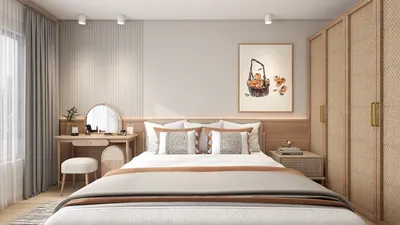


In my experience designing numerous living rooms, the L-shaped sofa often serves as the centerpiece, balancing comfort with functionality. The success of a TV lounge relies on three key aspects: optimized viewing angles, easy movement within the space, and multilayered comfort. When executed correctly, an L-shaped layout transforms a static seating area into a dynamic, social environment that is equally suited for movie nights, weekend get-togethers, and serene reading moments. Utilizing tools like Homestyler can enhance this layout process.
Research consistently indicates that the comfort of seating and visual ergonomics significantly influence room usage. Steelcase's studies connect varied postures and supportive seating to prolonged comfort during extended viewing or work periods, underscoring the importance of sofa depth and lumbar support in living spaces. Additionally, WELL v2 guidelines stress the need for glare reduction and balanced lighting to alleviate eye strain during screen time, especially in rooms that incorporate both task and ambient lighting. I center my living room designs around these concepts, ensuring the arrangement of the TV wall, sofa, and light sources creates a soothing visual balance.
Another important consideration is color psychology: According to Verywell Mind, warm neutral tones promote relaxation, while cooler shades can create a sense of spaciousness and cleanliness. In an L-shaped configuration, I typically select warm taupe or sandy hues for the larger sofa section, augmenting the space with cooler accents through throws or artwork to maintain visual harmony. This thoughtful combination prevents a washed-out appearance and stabilizes the room's ambiance as natural light changes.
Understanding Proportion, Pathways, and Sightlines in Design
The first consideration is proportion. Ideally, I recommend an L-shaped sofa that constitutes roughly 35–45% of the main seating area, ensuring at least 30–36 inches of unobstructed circulation between the sectional and adjacent walls or furniture. This preserves smooth traffic flow behind the chaise or around corners without causing any discomfort. Next, focus on sightlines: the primary seat should align with the TV within a 30° angle; the return of the 'L' can be positioned 30–60° off axis for social interaction without compromising screen visibility. For more asymmetrical rooms, employing Homestyler can quickly visualize layout options and scale adjustments.
Selecting the Appropriate L-Shape: Chaise Left, Chaise Right, or Symmetrical
The orientation of the sofa depends on the room's entry points and window placements. If the main traffic flows from the left side of the room, a right-facing chaise will maintain an open pathway. Symmetrical corner sectionals are well-suited for square rooms; in narrower spaces, an asymmetric chaise can help minimize visual clutter. Always measure the door swing and the clearance of windows so the sofa corner does not block natural light or create glare on the TV.
The Importance of Comfort: Depth, Seat Height, and Cushion Support
In the design of lounges, ergonomics play a crucial role. For mixed-use arrangements, I look for a seat depth of 20–22 inches; deep-seated options (24–26 inches) can accommodate sprawling families, but adding lumbar pillows is advisable for upright viewing support. A seat height of about 17–18 inches typically suits most body types. The foam's density should have a balance: medium to high density in the core for durability, complemented by softer toppers for a comfortable seating experience. For chaise segments, ensure that the firmness of the cushions is slightly increased to prevent sagging over time.
Managing the TV Wall and Glare Reduction
The WELL v2 standard promotes strategies for glare reduction and balanced luminance. When possible, position the TV perpendicular to dominant light sources; if that’s not feasible, pair sheer shades with dimmable controls. Wall sconces set at 2700–3000K and ceiling fixtures with dimmers maintain contrast without overwhelming the screen's visibility. It's best to avoid downlights situated directly above the TV, as indirect illumination can lessen reflections and reduce visual fatigue.
Creating Effective Lighting Layers for a Day & Night Lounge
In my designs, I incorporate three lighting tiers: ambient, task, and accent. Ambient lighting (2700–3000K) provides the foundational glow. Task lighting, such as swinging floor lamps near the chaise and table lamps positioned behind the shorter leg of the L, caters to reading needs. Accent lights can highlight textured walls or artwork. Employ glare shields and low-UGR fixtures near the TV wall, and choose lamps with a CRI of 80+ to ensure accurate representation of skin tones and textiles.
Selecting Materials: Performance, Texture, and Eco-Friendliness
The choice of textiles should prioritize durability while still appearing inviting. Performance fabrics with stain-resistant coatings are essential for family-friendly spaces, while textures like chenille or bouclé introduce tactile interest. I tend to avoid glossy leathers near windows, as they may reflect light onto the screen. For rugs, a dense, low-pile design is ideal to anchor the sofa and prevent movement beneath a coffee table. When clients emphasize sustainability, I focus on third-party certified materials and responsibly sourced hardwood frames; platforms like Material ConneXion highlight innovative low-impact textiles and composites worth considering.
Color Approaches: Warm Base with Cool Accents
An L-shaped sofa commands visual attention; approach it as a color field. I often select a warm neutral foundation (beige, greige, tobacco leather) and juxtapose cool notes through pillows or throws to keep the appearance light and fresh. If the TV wall is darker, I suggest lightening the sectional with brighter upholstery and a mid-tone rug to enhance the screen's visibility without the space feeling closed-in.
Ensuring Acoustic Comfort in TV Lounges
Hard surfaces can disrupt sound, making dialogue difficult to follow. A sectional provides some acoustic mass, but I also recommend layering in textiles: curtains, plush rugs, and upholstered ottomans. Incorporating bookcases or slatted panels near the TV can help diffuse mid/high frequencies. Position subwoofers slightly away from corners to prevent overpowering bass. The objective is clarity at a conversational sound level rather than theater-style volume.
Furniture Choices: Coffee Tables, Side Tables, and Storage Options
Scale tables to match the sectional's footprint: a coffee table measuring 48–54 inches typically complements a medium L-shaped sofa well. Aim for a reach of 16–18 inches from the front edge of the seats. Maintaining side tables at both ends offers convenient access for remotes and drinks while low credenzas along the TV wall provide hidden storage for technology and games without exacerbating clutter.
Clever Circulation Strategies: Anchoring Without Obstruction
Using rugs effectively can help ground the layout; positioning the front legs of the sofa on the rug stabilizes it. Ensure clear walking lanes behind the shorter leg of the L. If additional seating is required, consider placing a swivel chair opposite the chaise, allowing guests to easily turn between conversation and watching TV. Swivels can facilitate movement in a busy room.
Tips for Small Living Rooms: Maximizing Space with L-Shape
In smaller spaces, opting for a slim-armed sectional with raised legs can visually lighten the room's feel. Pulling the chaise closer to the window opens up pathways. Mounting the TV on the wall and utilizing a floating shelf for devices keeps the floor area uncluttered. For experimenting with layouts, a planner can streamline the process of visualizing scale, pathways, and vantage points.
Styling the Lounge: Creating Layers Without Overcrowding
In terms of decor, layer two throws—one with texture and another that is smooth—and alternate between pillow fills to create depth. Limit decor on the coffee table to a coordinated trio: a tray, a stack of books, and a small vase. On the TV wall, opt for a single large art piece or a contemporary media console, which provides a more tranquil effect compared to multiple smaller items.
Preserving and Extending Durability
To maximize the lifespan of furniture, regularly flip and rotate cushions to distribute wear evenly. If pets are present, breathable sofa covers are a wise choice. Periodically inspect leg bolts on modular models. For maintenance of performance fabrics, adhere to care codes provided by manufacturers, using water-based solutions on W-code textiles and solvent cleaners on S-code, always conducting spot tests first.
Common Questions
For flexible use, aim for a seat depth of 20–22 inches to accommodate both upright viewing and lounging. Deep-seat options (24–26 inches) work well for those who favor sprawling; lumbar support pillows are beneficial.
Position the TV so it is perpendicular to main windows, adding sheer shades, and using dimmable ambient lighting set to 2700–3000K. Avoid downlights aimed directly at the screen to minimize glare.
Align the chaise orientation with traffic patterns; if the entry point is on the left, select a right-facing chaise to ensure easy movement.
Choose a rug that is sufficiently large for the front legs of your sectional to sit on it; in many medium-sized lounges, dimensions of 8x10 or 9x12 work well, but always confirm with measurements.
Aim for a coffee table height of about 16–18 inches, which should correspond closely to the sofa seat height, allowing for about 16–18 inches of reach from the edge of the seating for comfortable accessibility.
Opt for performance textiles that resist stains and have secure upholstery, favoring items with removable cushion covers. Be cautious of high-shine leathers in well-lit areas as they can create unwanted glare.
Incorporate a swivel chair across from the chaise; this setup encourages easy movement between socializing and watching TV, facilitating circulation around the L-shaped arrangement.
Establish a warm neutral base for color, then introduce cooler accents through pillows or artwork. This balance prevents heaviness and contributes to a more spacious, calming environment.
When determining the appropriate screen size, many find that for a 65-inch TV, a distance of 8–10 feet is comfortable. Ensure primary seating is within a 30° angle for optimal viewing clarity.
Layer fabrics—curtains, rugs, and upholstered furnishings—and incorporate shelves or slatted panels to soften sound. Position subwoofers a little away from corners to achieve better audio clarity.
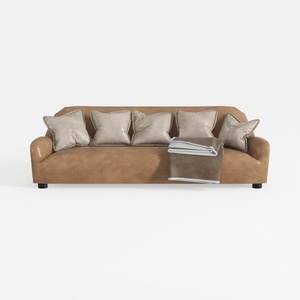

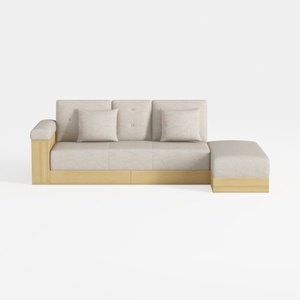
Sofa 84.65" Convertible Sofa Bed with Storage Otto

Fluted 9 Drawers Dresser, 59.1" Wide Modern Chest
Homestyler is your go-to online home design platform! With its user-friendly design tool, stunning 3D renderings, and an array of inspiring design projects and video tutorials, you can effortlessly create and visualize your dream space—ideal for both beginners and seasoned designers alike!
Дизайн сейчас бесплатно
































