

Creating an ensuite today involves much more than simply installing a shower and a vanity. My goal is to design a sanctuary that promotes restorative experiences, supports natural circadian rhythms, and evolves elegantly over time. The WELL v2 certification guidelines suggest using adjustable lighting between 2700–6500K to sync with the body’s natural cycles, while the IES recommends approximately 500 lux in task areas like vanities to ensure accurate grooming and makeup application—two standards I integrate into every design. Research by Steelcase indicates that well-thought-out environments can decrease cognitive stress; in bathroom design, this translates to distinct zones, intuitive storage, and seamless daily routines.
The selection of colors is also crucial. According to Verywell Mind, cool shades like soft blues and greens are linked to feelings of tranquility and clarity, whereas warmer neutral tones contribute to a soothing, spa-like ambiance. In smaller ensuites, I opt for matte finishes to limit glare and enhance visual comfort; excessive glare can often lead to morning eye discomfort, particularly under reflective mirrors. My material choices prioritize safety and comfort, such as using slip-resistant tiles rated R10–R11 when possible and incorporating balanced acoustic elements—like soft textiles, solid-core doors, and sound-dampening backer boards—to ensure quiet nighttime usage.
Establishing a Smart Layout and Flow
I start by delineating three primary zones: wet (shower or tub), dry (vanity and dressing area), and service (toilet and storage). This zoning clarifies movement patterns, minimizes cleaning overlaps, and enhances privacy. In compact spaces, I recommend using pocket or well-sealed sliding doors to maintain valuable wall space. For couples, a double vanity with staggered storage solutions can help keep countertops uncluttered and routines efficient. If you’re exploring various layout options, consider utilizing an interior layout planner to experiment with door swings, clearance requirements, and fixture placements alongside a room design tool such as Homestyler.
Lighting for Tasks, Mood, and Night Navigation
I employ a layered lighting approach encompassing task, ambient, and night illumination. For task lighting, I ensure a 90+ CRI with a color temperature between 4000–4500K at the mirror to deliver accurate color representation, achieving around 500 lux at face height as recommended by IES standards. Ambient lighting can be created with dimmable downlights set to 2700–3000K or concealed cove lighting that softens shadows. For nighttime navigation, ultra-low-level path lights emitting 1–5 lux help protect melatonin levels during overnight bathroom visits. Incorporating presence sensors and time-based tuning in the morning helps create a balanced lighting experience. My design principles are guided by WELL and IES standards; for circadian lighting advice, refer to WELL’s Light concept at v2.wellcertified.com.
Color Psychology That Calms Without Flattening
Utilizing soft, desaturated color palettes reduces visual distraction, yet I introduce tonal variations to prevent the space from feeling sterile. Imagine warm taupe walls paired with pale sage tiles, complemented by a deeper green in the shower niche. Light ceilings create an airy atmosphere, while darker flooring enhances visual grounding and balance. For fixtures and handles, I suggest incorporating brushed graphite, aged brass, or matte black elements to create contrast, essential for usability in low-light conditions.
Material Choices: Tactility, Safety, and Longevity
I merge resilient surface materials with tactile comfort. Porcelain stoneware is ideal for wet areas due to its low porosity and ease of care, while solid-surface or sintered stone works beautifully for vanities, and sealed limewash or microcement adds texture to feature walls. On the flooring, I specify tiles sized at 10–12 mm with R10–R11 slip ratings, and using mosaic formats in showers increases grip through more numerous grout lines. To maintain a peaceful acoustic environment, I incorporate fabric-backed wall coverings outside wet zones, ribbed towels, and quick-dry bath mats.
Fixtures: Water Sense and Human Factors
Comfort can be harmonized with sustainability. I prefer thermostatic mixers with safety stops at 38°C, handheld showers on adjustable glides to accommodate various heights, and appropriately sized rain heads (200–300 mm for standard residential setups). Rimless, wall-hung toilets save space and are easier to clean. When designing the vanity, I ensure that mirror bottoms are situated between 100–110 cm and sinks are positioned at a height of 86–91 cm; this ergonomics reduce unnecessary neck strain. Moreover, soft-close storage compartments and integrated bins maintain a calm and quiet daily routine.
Storage You’ll Actually Use
Poor storage solutions can derail daily routines. I design with three organized tiers: easily visible trays for daily essentials, concealed drawers for bulk items, and deep cabinets for towels and extra supplies. Vertical medicine cabinets with shallow shelves can mitigate bottle clutter, while illuminated interiors enhance visibility of labels in the early hours. A tall utility cabinet can cleverly conceal a laundry hamper and a cordless vacuum cleaner; a small change can significantly enhance daily habits.
Shower-Centric Layouts for Compact Ensuites
In spaces where every square centimeter counts, I recommend substituting a standard tub for a walk-in shower complete with a single glass panel and a linear drain. A shower length of 1200–1400 mm provides a spacious feel without overwhelming the area; a ceiling-mounted curtain track serves as a viable alternative when glass installations are impractical. Recessed niches set at heights of 1100–1200 mm effectively obscure shampoo bottles from view. To address privacy concerns, I suggest positioning the toilet away from the entrance and employing fluted or reeded glass to blur direct lines of sight.
Ambient Wellness: Ventilation, Acoustics, and Cleaning
Proper ventilation is essential. I typically select low-noise fans equipped with humidity sensors and backdraft dampers; the objective is to achieve low sone ratings while ensuring effective moisture removal to combat condensation and mold. For acoustic comfort, solid-core doors coupled with perimeter seals help minimize noise transfer during late-night hours. I also avoid micro-beveled tile edges on floors to make cleaning simpler and opt for stain-resistant grout featuring antimicrobial properties in frequently splashed zones.
Lighting Controls and Small Tech Upgrades
Smart technology is the key, without unnecessary flashy elements. I incorporate dim-to-warm presets for evening showers, motion-activated path lighting for nighttime navigation, and a morning lighting boost that transitions from 2700K to 4000K over 20 minutes. Fog-free mirrors enhance usability, while in-drawer outlets maintain a tidy countertop. If the budget allows, introducing a heated floor mat zone at the vanity can offer comfort without the need for heating the entire floor.
Style Play: Modern, Japandi, and Soft Minimal
Modern ensuites thrive on cohesive visual patterns. I focus on repeating a single metal finish, a primary tile choice, and a distinctive accent texture. Japandi styles often embrace light woods, linens, and stone-look porcelain in gentle beiges and greiges; I ensure that grout is closely matched for a seamless look. Soft minimalism favors rounded profiles, integrated pulls, and curvy mirrors to soften visual lines.
Planning Ratios I Trust
- Minimum vanity width: 600 mm for a single sink; 1200–1500 mm for two users
- Required clearance: 800–900 mm between the vanity and the opposite wall
- Comfortable shower dimensions: 900 x 1200 mm; 1000 x 1400 mm offers luxury in petite homes
- Toilet offset: 400 mm from the side wall to the centerline, with 750–800 mm clearance in front
- Mirror placement: eye level centered between 1600–1650 mm based on user height
Future-Proofing and Accessibility
I incorporate blocking for potential grab bars, utilize lever handles, specify low-threshold showers (20 mm or lower), and select matte tiles ensuring good visibility. Adding contrasting edge strips at stairs or transitions enhances safety during nighttime use. If feasible, a 1500 mm turning radius prepares the space for future mobility considerations without sacrificing current aesthetics.
From Plan to Visualization
Prior to finalizing designs, I create a quick visual model to test how colors react under varying light conditions and verify sightlines from the bedroom. If you find yourself adjusting multiple configurations for double vanities and pocket doors, an interior layout planner like Homestyler can help visualize day/night lighting and spatial flow effectively.
FAQ
Q1. What are the best lighting specifications for the vanity?
A. Target a 90+ CRI with a color temperature of 4000–4500K to ensure grooming accuracy, achieving approximately 500 lux at face level as advised by IES. Opt for vertical sconces or backlit mirrors to minimize shadow effects.
Q2. How can I create the illusion of more space in a small ensuite?
A. Implement a walk-in shower with a single glass panel, employ light-reflective matte tiles, maintain continuous floor lines, and utilize wall-hung fixtures. Limit your finishes to two or three tones to decrease visual overload.
Q3. Which color palettes promote relaxation?
A. Soft, desaturated blues, greens, and warm neutrals have consistently been linked to relaxation in color psychology studies. Verywell Mind highlights these shades as conducive to rest and clarity.
Q4. What size should a shower be in compact homes?
A. A size of 900 x 1200 mm feels comfortable; increasing to 1000 x 1400 mm provides a notably spacious experience without overwhelming a typical floor plan.
Q5. How can I enhance nighttime bathroom visits without waking fully?
A. Install low-level path lighting with a warm CCT emitting between 1–5 lux, controlled by motion sensors. Keep task lights switched off at night to help preserve melatonin levels and maintain sleep quality.
Q6. What materials effectively balance durability and maintenance?
A. Porcelain stoneware in wet areas, solid-surface or sintered stone for vanities, stain-resistant grout, and matte fixtures that hide smudges are excellent choices. For shower floors, mosaics provide additional grip.
Q7. How can I ensure quiet ventilation?
A. Opt for a low-sone fan equipped with a humidity sensor and backdraft damper, and consider implementing a timer or continuous low-speed mode to prevent moisture buildup.
Q8. Is it possible to fit a double vanity in a narrow ensuite?
A. Yes, provided you allocate at least 1200–1500 mm width while ensuring an 800–900 mm clear aisle. Staggered storage solutions can keep personal space distinct and countertops uncluttered.
Q9. Which fixtures conserve water without compromising comfort?
A. Thermostatic mixers, aerated taps, and pressure-balanced rain heads tailored to your system can help. Look for options featuring adjustable flow modes to suit various needs.
Q10. How do I plan for future accessibility?
A. Consider installing wall blocking for future grab bars, ensuring minimal thresholds, opting for lever handles, maintaining high visibility for contrasting edges, and aiming for a 1500 mm turning radius when possible.
Q11. What acoustics improvements are truly effective?
A. Solid-core doors, perimeter seals, fabric-backed wall coverings outside wet areas, and sound-dampening backer boards can significantly diminish noise transfer and promote quiet environments during the night.
Q12. Is it beneficial to use tunable white lighting in a bathroom?
A. For households with varying schedules, tunable lighting is highly recommended as it aligns with WELL v2 guidelines on supporting circadian health, offering cooler tones for alertness and warmer options for relaxation.

Durasage Cold Plunge Ice Bath Tub, Stainless Steel

Free Standing Tub Faucet, Brushed Gold Classic
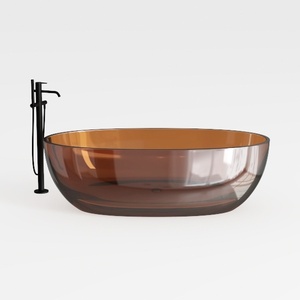
67" Resin Translucent Freestanding Bathtub
Looking to elevate your home design game? Homestyler offers a fantastic online design tool that makes creating stunning spaces effortless. With its impressive 3D rendering, diverse design projects, and helpful video tutorials, you can turn your creative visions into reality—easily and enjoyably!
Дизайн сейчас бесплатно
































