


I have revamped countless banquet halls, and those that stand out share a fundamental characteristic: they exude an effortless ambiance. Guests move seamlessly, conversations flow easily, and the overall environment elevates the event. For instance, the Lemon Tree Banquet Hall—bright, citrus-inspired, and contemporary—focuses on clarity, warmth, and a hint of playful optimism without crossing into kitsch.
Two key elements shape the guest experience right from their first step inside: light and movement. The Light concept of WELL v2 highlights how appropriate lighting enhances visual clarity and supports natural rhythms; for social dining, a common target for ambient light is 200–300 lux, while areas meant to grab attention could be set between 400–500 lux (WELL v2 references, v2.wellcertified.com). Research from Steelcase indicates that spatial clarity and the ability to choose among layouts heighten satisfaction and decrease stress—guests navigate more freely in organized spaces, and hosts manage transitions more effectively. I aim for straightforward wayfinding paired with varying light levels that gracefully adapt throughout the evening, with the help of tools like Homestyler to test layouts.
Colors serve as your emotional driving force. According to Verywell Mind, yellow symbolizes energy and optimism, while green represents balance and tranquility. In creating a Lemon Tree ambiance, I gravitate towards soft citrus shades—a blend of pale citron, pear green, and creamy whites—complemented by natural wood and muted charcoal to minimize glare while maintaining elegance. This color palette should capture enchanting images under warm LED lighting (2700–3000K) during dinners and neutral whites (3500–4000K) for ceremonies.
Spatial Planning: A Clear Path from Arrival to Applause
Successful events unfold in distinct phases. Guests arrive, socialize, dine, celebrate, and leave without any hindrances. I outline three main pathways: the entry ceremony (arrival moment plus coat/check-in), a social buffer area (bar plus lounge), and the primary hall (dining plus stage/dance). When experimenting with setups—be it banquet rounds, long harvest tables, or mixed lounge groups—a layout simulation tool like Homestyler can be invaluable to visualize traffic, sightlines, and service paths before procuring any furniture.
Lighting Design: Citrus Bright and Camera-Ready
To prevent a hall from appearing flat, layered lighting is essential. My approach combines:
Maintain consistent color temperatures. For pre-dinner mingling, aim for 3000–3500K, during dinner opt for 2700–3000K, and for speeches, adjust to 3200–3600K. It’s crucial to follow IES guidelines for glare control using proper shielding and cut-off angles (ies.org/standards). The secret lies in smooth dimming curves and warm-dimming lamps that preserve color as brightness decreases.
Acoustic Comfort: Hear the Toast, Not the Clattering
Excessive reverberation harms intimacy. I strive for an RT60 around 0.7-1.0 seconds under banquet conditions, achieved with a blend of absorbent ceiling features, upholstered seating, curtains, and soft flooring padding. Acoustic baffles designed like “leaves” reflect the Lemon Tree theme. Group noise-producing elements—like the bar and kitchen—away from the stage and include white noise masking to soften sound spikes in service areas.
Furniture and Layout: Rhythm, Ratios, and Human Considerations
Comfort starts with the seating. An ergonomic seat height of about 17–19 inches paired with supportive backs makes lengthy dinners enjoyable. Ensure aisle spaces are 48–60 inches wide for service flow and at least 36 inches between chair backs. Round tables (60–72 inches) facilitate social interactions, while 8–12-foot harvest tables promote a communal vibe. I position the head table or stage on a main sightline—preferably opposite the entry—to anchor the room’s energy immediately. The dance floor should be near the bar but slightly apart from the dining area to avoid sound overlap.
Branding the Lemon Tree Motif: Subtle, Fresh, and Timeless
The theme should enhance, not dominate. I utilize botanical shapes in wall panels, citrus-themed drinkware, and centerpieces crafted from greenery with subtle pops of lemon. It’s essential to avoid literal duplication across every surface; instead, aim to create a few striking focal points—a sculptural “lemon canopy” over the bar, a textured plaster wall with gentle leaf impressions, and a green-tinted mirror behind the bar to enrich the visual scheme.
Material Choices: Sustainable and Photogenic
Opt for materials that photograph beautifully and can withstand event use. Matte or eggshell finishes help minimize reflections. Surfaces made of oak, ash, or engineered stone resist stains, and slip-resistant flooring near the bar and kitchen ensures discreet safety. Seek FSC-certified woods and low-VOC finishes for improved air quality. For innovative, durable materials, databases like Material ConneXion showcase sustainable composites and finishes (materialconnexion.com).
Wayfinding and Guest Behavior: Gentle Guidance
Behavioral indicators are crucial. Warm lighting guides guests from the entrance to the bar, while a slightly cooler, more vibrant lighting on the stage draws attention during speeches. Position signage at eye level with clear fonts. Ensure the cake display is prominent but set aside from main foot traffic to minimize accidental disruptions. Hosts also value subtle staff pathways: concealed corridors behind drapery or screens that allow for quick service refills without interrupting the dance floor.
Greenery and Floral: Living Texture with Controlled Fragrance
Think vertically. Employ trellis structures with trained plants to visually break up large wall surfaces and absorb sound. While citrus branches add beauty, it’s best to keep their scent light; an overpowering aroma can compete with food smells. I prefer layered floral arrangements featuring structured greens topped with small bursts of color, ensuring the space feels vibrant but not cluttered.
Technology Integration: Seamless AV with Discreet Infrastructure
Prioritize AV setup from the beginning. Ensure dedicated circuits for the DJ or band, adjustable zones segregated by function, and wired mic outlets to prevent interference. Opt for short-throw or laser projectors that perform well under ambient light. Conceal cable pathways beneath stage skirts and in floor boxes. Consider implementing a programmable control system with straightforward scene buttons labeled “Mingle,” “Dinner,” “Toast,” and “Dance.”
Service Logistics: Back-of-House That Protects Front-of-House
The layout for service critically impacts the guest experience. Position the kitchen pass close to the dining area, while the dish return should be on the opposite side to minimize cross-traffic. Set up staging areas near the entry to facilitate smooth transitions—like swapping gift tables for dessert displays without creating chaos. If space is at a premium, use room design visualization tools like Homestyler to validate timing and movement.
Outdoor Extensions: Courtyard as a Pressure Relief Zone
If you have an outdoor area, treat it as a pressure relief zone: introduce warming string lights (2200–2400K), evergreen planters, and fabrics designed for outdoor use. Create micro-zones—small bistro tables, lounge sections, and standing rails—to accommodate various social dynamics comfortably.
Day-to-Night Transformation: A Versatile Venue
A Lemon Tree hall should be adaptable. Afternoon events call for crisp whites and lighter music settings, while evening events should embrace warmth and intimacy. Utilize movable green screens, flexible lounge furniture, and programmable lighting to set the mood. Ensure that hardware remains timeless so that seasonal decorations can easily shift the atmosphere without extensive renovations.
Tips 1: Quick Improvements for Instant Effects
- Replace cool LEDs with warm-dim lamps in the 2700–3000K range for better skin tones in photographs.
- Incorporate acoustic drapery panels on parallel walls to minimize echo.
- Vary seating heights—combine lower lounge options with standard dining—to add visual interest.
- Limit lemon and leaf motifs to three key areas: entry, bar, and backdrop, while keeping other areas neutral.
- Install an intuitive scene-based lighting controller that allows staff to swiftly adjust the ambiance.
Tips 2: Details Favorable to Hosts and Vendors
- Ensure there are clear, labeled 20A circuits allocated for the DJ or band and catering needs.
- Run HDMI and XLR lines to the stage in advance to prevent cable clutter.
- Mark floor boxes on a scaled plan shared with all vendors for easy navigation.
- Keep a neutral backup set of tableware for clients who prefer non-citrus themes.
- Establish a versatile storage wall for seamless seasonal decor changes.
FAQ
For general dining areas, maintain around 200–300 lux, with accent lighting at 400–500 lux for focal points. Utilize shielding and matte finishes to minimize glare, based on recommendations from WELL v2 and IES standards.
Use warm whites in the 2700–3000K range during dinners to enhance skin tones and food presentation, and 3000–3500K for pre-function activities or speeches, ensuring a consistent CRI of ≥90 for top-quality photography.
Incorporate acoustic ceiling tiles, cushioned seating, and drapery on hard parallel walls. Aim for a reverberation time between 0.7–1.0 seconds to ensure clarity in speech and enjoyment in music.
Round tables promote social interaction, while elongated harvest tables offer an elegant and communal feel. The choice should reflect the event’s schedule and service format, keeping aisles clear at 48–60 inches for staff and 36 inches between the backs of chairs.
Locate the stage along a primary sightline facing the entry, use angled accent lighting set at 30–45°, and keep the light slightly cooler and brighter during speeches. Gradual dimming of the ambient light subtly shifts focus without harsh contrasts.
Use FSC-certified woods, low-VOC finishes, and durable engineered stone surfaces that hold up to event usage and are easy to clean. Investigate trusted sustainable materials from sources like Material ConneXion to discover unique surface solutions.
Keep the motif confined to key focal points—entry, bar, and backdrop—and support it with a thoughtful palette of soft citron, greens, and creamy whites. Emphasize textures and sculptural designs over repetitive patterns.
Implement scene-based controls with settings such as “Mingle,” “Dinner,” “Toast,” and “Dance” for effortless transitions. Choose fixtures that provide warm-dimming capabilities and smooth dimming transitions to avoid significant color shifts during adjustments.
Separate the kitchen pass from the dishes' return area to minimize cross-traffic. Establish parallel back-of-house pathways and staging spaces near entrances. Check layouts with a room design visualization tool to optimize timing and flow before the event starts.
Incorporate warm string lights (2200–2400K), evergreen planter installations, and fabrics appropriate for outdoor settings. Create micro-zones with bistro arrangements, lounge areas, and standing rails to allow guests to relax and mingle freely.

Round Wood Coffee Table - 29.53" Wooden Coffee
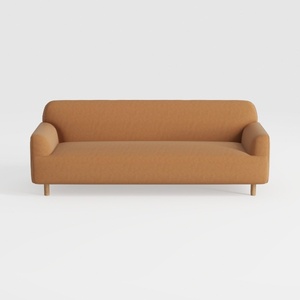
HIFIT Sofa Couches, 79” Mid-Century Modern Couch,
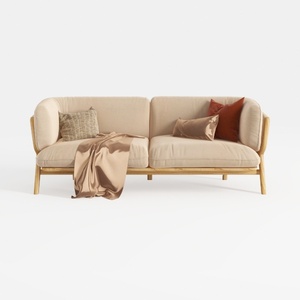

Tennozu Linen Fabric Loveseat Sofa, Convertible Fu
Homestyler is your go-to online home design platform! With an easy-to-use design tool, stunning 3D renderings, diverse design projects, and helpful DIY video tutorials, you can create your dream space effortlessly. Start designing today and let your creativity shine!
Дизайн сейчас бесплатно
































