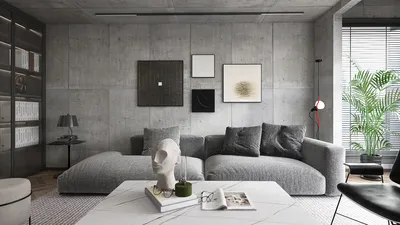


While dark colors are often thought to make spaces feel smaller, the reality is more complex. My experience with both tight urban residences and expansive hospitality venues indicates that perceived size stems from factors like contrast, the distribution of light, and the reflectivity of surfaces, rather than color alone. Studies in workplace settings reveal a significant correlation between spatial comfort and the quality of lighting: WELL v2 suggests that achieving proper brightness, controlling glare, and maintaining balanced contrast contribute to visual comfort, which influences the perceived spaciousness of a room. Research from Steelcase additionally shows that visual complexity and contrast play a critical role in cognitive load—simplified, well-coordinated color schemes generally create a more serene and open feeling, regardless of the actual color used.
Lighting guidelines are essential for measuring these effects. The IES advises maintaining a standard ambient illuminance of approximately 200–300 lux for general circulation and 300–500 lux for work areas, ensuring appropriate glare control to prevent excessively bright ceilings or distracting hotspots that can compress spatial perception. The WELL v2 standard further advocates for a layered lighting approach, recommending contrast ratios of around 3:1 to 10:1 between task and ambient zones, alongside uniformity to avoid harsh shadows. When dark walls are combined with sufficient ambient light and a lighter ceiling to enhance brightness, the ambiance often feels cozy without the sensation of constriction—well-managed contrast adds depth instead of reducing space.
Exploring Perceived Scale
The perception of size is influenced by a combination of surfaces, lighting, and contrast. Dark surfaces absorb light and minimize visual disorder; when these darker elements are accompanied by brighter surfaces (such as trim, ceilings, or light-colored rugs), they help the eye to follow longer sightlines. I often integrate darker accent walls behind seating areas to create a sense of depth and push beyond perceived boundaries—this tactic works especially well in narrow living spaces, where a single deep tone can counteract the feeling of confinement.
The Psychology of Color and Its Impact
Color psychology suggests that darker shades can contribute to a feeling of stability and security, while lighter shades promote openness. Research compiled by Verywell Mind shows that hues like blue and green are often associated with calmness and concentration, whereas vibrant reds can stimulate excitement and may feel constrictive in abundance. This observation highlights that dark does not equal small; instead, strategically chosen low-saturation darks (such as charcoal, navy, or forest green) foster tranquility and a sense of order, making spaces feel composed rather than confined.
The Role of Light Environment in Perception
In spaces lacking sufficient ambient light, dark finishes can appear heavy and oppressive. Adjusting the light profile can transform the atmosphere: aim for ambient light levels between 200–300 lux for movement areas, ensure workspace lighting achieves approximately 300–500 lux, and maintain a low Unified Glare Rating by utilizing diffusers and indirect lighting fixtures. Brightening vertical surfaces is essential—walls significantly contribute to perceived brightness—achievable through wall washers or reflecting light from a softer-colored ceiling. This balanced approach prevents the 'visual cave' effect that often makes rooms seem smaller.
Material Choices and Reflectivity Importance
The reflectivity of surfaces has a greater impact on perceived space than merely the color tone being dark or light. For instance, a matte charcoal wall with a low Light Reflectance Value (LRV) of around 8–12 can still feel expansive if adjacent elements are more reflective—consider a ceiling with an LRV above 70 and a floor ranging from 40–60 LRV. Thoughtful sheen variations—like eggshell finishes on walls and matte on ceilings—can mitigate hotspot glare which disrupts spatial perception. Incorporating natural materials (like walnut or basalt) with low-sheen textures can enhance depth without introducing visual chaos.
Visual Balance, Spatial Ratios, and Rhythm
When distributing dark tones, consider a 60/30/10 ratio (dominant/secondary/accent) to maintain equilibrium. In smaller rooms with limited natural light, I typically suggest darks comprise 10–30% of the design, focusing them in areas intended for depth (like a far wall or built-ins). Aligning dark walls with pronounced horizontal lines (such as baseboards or picture rails) helps create continuity for the eye instead of fragmentation. Repeating elements, like consistent trim colors or recurring metal finishes, can lower cognitive load and create a sense of expanded space.
Organizing Layout and Enhancing Sightlines
The arrangement of furniture greatly influences whether dark surfaces feel constricting or anchoring. Pushing furniture slightly away from the walls by 3–6 inches can create a shadow seam that enhances the perception of depth. It's also helpful to maintain clear diagonal traffic pathways to elongate sightlines from corner to corner. If you're experimenting with different furniture arrangements or accent wall placements, a layout simulation tool like Homestyler can help visualize how shifting color placements alters perceived boundaries.
Considerations for Acoustics and Overall Comfort
Darker, textured finishes tend to improve acoustic quality by absorbing mid to high frequencies and reducing flutter echoes—a factor that can create a calmer atmosphere that feels larger mentally. Pairing deep shades with soft furnishings like window treatments, rugs, and upholstered panels can lead to lower noise levels, enhancing the perception of space by minimizing sensory clutter.
Balancing Daylight, Glare, and Ceiling Reflectivity
Position dark accents away from the primary sources of natural light. Installing darker built-ins opposite windows allows daylight to illuminate lighter surfaces first, enhancing general brightness. A pale, slightly warm ceiling (with an LRV of 70–85 and an ambient color temperature of 3000–3500K) aids in reflecting light, managing glare from screens, and ensuring spatial dimensions are clearly readable.
Effective Strategies for Small Rooms with Dark Schemes
• Implement one dark feature wall to create the illusion of length; position it behind a focal piece to enhance depth.
• Keep trims, doors, and ceilings lighter to frame the darker areas, promoting a sense of expansion.
• Opt for low-saturation, cool darks in dim settings; they appear cleaner and less oppressive.
• Introduce vertical lighting elements (like sconces or uplights) to brighten the perimeter and elevate the perceived ceiling.
• Limit the use of high-gloss finishes; instead, utilize subtle sheen changes to manage glare and texture.
Real-Life Examples from Experience
In a 10'×12' study, I designed a charcoal feature wall paired with a pale ceiling and 3500K indirect cove lighting, creating a sense of length and tranquility. Mid-tone oak bookshelves prevented a heavy feel at the edges. Post-project, the client reported improved focus—a finding that is consistent with WELL v2's emphasis on balance in luminance and glare control for visual comfort.
Trusted Sources for Reference
For comprehensive lighting guidelines that shape spatial experience and comfort, refer to the WELL Building Standard (WELL v2) and IES lighting recommendations: WELL v2, IES Standards.
Frequently Asked Questions
Q1: Do dark walls invariably make a room feel smaller?
A: No. Dark walls, when complemented with adequate ambient light, a lighter ceiling, and controlled contrast can create depth and tranquility without diminishing space.
Q2: What level of illumination should I aim for to prevent a 'cave' effect?
A: Target approximately 200–300 lux of ambient light and around 300–500 lux for task areas, ensuring good uniformity and glare management following IES guidance.
Q3: Which dark colors tend to feel more spacious?
A: Low-saturation tones such as charcoals, deep navies, and forest greens in matte or eggshell finishes generally convey a grounded and expansive feel when paired with lighter surfaces.
Q4: How do ceilings affect size perception with dark palettes?
A: Light and moderately reflective ceilings (LRV 70–85) help bounce light and maintain a clear sense of volume.
Q5: Is it possible to use a dark ceiling in a small room?
A: Yes, if equipped with strong uplighting around the perimeter and illuminated verticals; this can create intimacy without a congested effect if brightness is well distributed.
Q6: What layout strategies can help dark walls feel more spacious?
A: Keep furniture slightly away from walls, ensure clear sightlines, and concentrate darker accents on one side rather than all around the room.
Q7: Do darker materials enhance acoustic properties?
A: Typically, yes. Textured, darker finishes absorb mid to high frequencies, lessening echo and sensory distractions.
Q8: How does color impact productivity in home office settings?
A: Calmer, cooler darks help reduce visual noise; a balanced lighting approach per WELL v2 enhances visual comfort, alleviating fatigue.
Q9: Can high-gloss dark paint contribute to a larger feeling in a room?
A: Glossy finishes increase reflections and glare, which can create a fragmented space. Using subtler sheens can maintain a smooth luminance.
Q10: What is the best position for a dark accent wall?
A: Typically, it should be placed opposite the primary light source or behind a prominent piece of furniture to enhance depth perception.
Q11: Are dark floors problematic in small spaces?
A: Not if they're juxtaposed with lighter walls and ceilings; they ground the room while upper surfaces maintain brightness.
Q12: What color temperature is ideal with dark palettes?
A: A balanced warm-neutral light (3000–3500K) maintains rich tones without dulling contrast.
Discover the magic of home design with Homestyler! This user-friendly platform offers a fantastic online design tool, stunning 3D renderings, and a wealth of DIY video tutorials. Whether you’re an experienced designer or a curious beginner, Homestyler makes it easy to transform your vision into reality!
Дизайн сейчас бесплатно
































