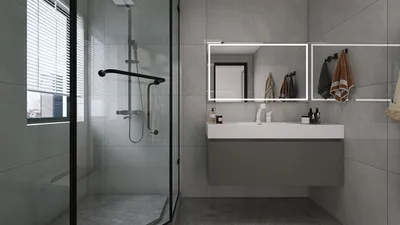


I create spacious interiors by integrating quantifiable performance metrics such as illumination levels, sound management, and spatial flow with visually uplifting materials and proportions. A room that truly resembles the sky is perceived as brighter, quieter, and more expansive, all while retaining comfort and functionality.
Effective daylighting should be guided by measurable objectives. For workspaces, I strive for 300-500 lux on horizontal surfaces in line with IES guidelines, layering ambient light to ensure vertical surfaces receive gentle illumination for enhanced brightness. The WELL Building Standard prioritizes visual comfort and glare minimization, connecting well-balanced lighting with improved well-being, which I have noticed leads to reduced fatigue and enhanced mood in sunlight-filled spaces. Refer to recommendations from IES lighting practices and WELL V2 for essential benchmarks and checklists.
Harnessing Light Wisely
Prioritize natural light over artificial sources. I opt for thin window mullions, recommend low-iron glass within budget constraints, and implement dual-layer window treatments: a sheer for diffusion, combined with a blackout or opaque layer for control. To mitigate glare, I analyze the sun's trajectory and position reading or work areas perpendicular to windows. For task lighting, I choose 2700–3000K in living spaces and 3500–4000K where focused illumination is needed; a high color rendering index (90+) ensures vibrant colors. It's not solely about brightness—using vertical light on walls creates an illusion of spaciousness, as illuminated surfaces create depth.
Utilize Color to Enhance Perception
Understanding color psychology can elevate ceilings and push back walls. Light, cool shades—soft blues, misty grays, or blue-greens—visually recede, fostering a sense of depth. A ceiling that is slightly lighter (by 10-15% reflectance) than the walls contributes to a cloud-like ambiance. I avoid stark contrasts at corners; instead, I seamlessly blend colors to create soft transitions. Research summaries from Verywell Mind highlight how cool colors create tranquility, giving the impression of larger spaces when combined with consistent lighting.
Designing for Airiness
I consider space planning to be crucial. I ensure key pathways maintain a minimum width of 36 inches in living areas and 42 inches in kitchens, creating effortless movement. I advocate for floating furniture layouts—sofas placed away from walls, low-profile seating, and open-backed chairs—that allow for continuous sightlines. For experimenting with layouts, utilizing a tool like Homestyler can assist in visualizing various furniture arrangements before finalizing decisions.
Enhancing with Proportions and Rhythm
The sense of airiness is achieved through rhythm and proportion. I prefer baseboard shadow reveals, taller door frames, and hanging drapery as close to the ceiling as possible to elongate lines. Repetitive elements—three to five wall sconces evenly distributed or a set of three pendant lights—create a visual rhythm that draws the eye upward. It's best to avoid large, singular pieces that dominate the visual space; instead, clustering medium-sized items helps distribute visual weight more evenly.
Lightweight yet Durable Materials
I recommend matte or eggshell wall finishes with high light reflectance values (LRV 70-85) which diffuse light gently without glare. Transparent and translucent materials—such as clear glass, ribbed glass, and woven scrims—filter light and create depth perception. I pair these materials with natural, low-embodied-carbon woods in lighter tones and select textiles with a tight weave to avoid visual heaviness. Choosing sustainable options is not only ethical; they often lend a lighter appearance and support a serene, breathable environment.
Creating Acoustic Calm, Not Echo
Luminous and hard surfaces should not lead to echoes. I treat expansive spaces with a combination of absorbing surfaces—layered rugs, lined drapes, and upholstered furniture—coupled with diffused sound using bookshelves or slatted wood. Reducing flutter echoes makes conversations sound closer and warmer, contributing to an atmosphere of intimacy and ease. Keeping HVAC noise below NC-30 in living areas is vital to maintaining room serenity.
Ceiling Techniques: Elevating the Sky Effect
When adding height is not an option, creating the illusion of it becomes essential. A pale ceiling with a 2-3 inch cove wash visually elevates the plane. Linear uplights positioned behind beams or shelves form a gentle twilight-like gradient. When structural beams are necessary, maintaining a slender, continuous form is critical; interrupted or bulky beams can disrupt the sky-like effect.
Furnishings and Storage Solutions: Design for Breathing Space
I prefer pieces with legs over solid bases, glass or light-colored wood tables, and storage that extends vertically to maximize floor visibility. Wall-mounted consoles and vanities maximize floor area, thereby misleading the eye into perceiving a larger space. It’s essential to maintain clear door swings and align handles at consistent heights for a tidy aesthetic.
Layered Lighting for Enhanced Depth
I utilize three lighting layers: ambient (soft overall light), task (focused lighting), and accent (lighting for walls and art). Wall washing enhances perceived width; narrow-beam accent lights create focal points. Dim-to-warm LED fixtures transition from 3000K in the evening to 2700K at night, replicating the natural sunset gradient without an orange hue. Each lighting zone should be equipped with dimmers; control fosters a sense of tranquility.
Windows, Treatments, and Glare Management
Implement full-height drapery that barely touches the floor, and install hardware widely so that drapes park off the glass. Sheers should provide adequate body to diffuse, not obscure the view—aim for 30-50% openness factors in mesh shades to balance visibility and glare control. In warm regions, low-SHGC glazing combined with exterior shading can minimize heat while retaining daylight.
Biophilic Design: Integrating Nature Indoors
Plants with delicate textures—such as ferns, asparagus, and trailing ivy—appear lighter and airier compared to broader-leafed varieties. Natural materials like linen, cane, and rattan contribute to an airy palette. A thoughtfully positioned indoor tree near a window serves to anchor the design and directs the eye upward.
Real-World Guidelines and Research
The presence of daylight and views significantly relates to comfort and performance. Research from Steelcase and insights from WELL V2 validate the advantages of glare-controlled lighting and balanced luminance on perception and emotional well-being. I apply these same principles when designing residential spaces: adjusting light levels to align with IES language, softening stark daylight, and sustaining a visible hierarchy across surfaces makes for an environment that genuinely feels open.
Final Checks Before Completion
FAQ
I aim for 100–300 lux for ambient light and 300–500 lux for reading or task zones, in accordance with IES recommendations. Providing vertical lighting on walls is as crucial as horizontal illumination for enhancing the feeling of spaciousness.
Use 3000–3500K for overall lighting and 2700–3000K for evening settings. Cool lighting over 4000K can create an overly sterile environment at home; the objective is clarity combined with calmness, not clinical ambiance.
They can indeed work effectively if chosen wisely. Select sheers that diffuse glare while allowing visibility; install draperies wide enough to keep most of the glass clear when opened.
Furniture with legs, open-backed seating, slim armrests, and light wood or glass tables are ideal. Avoid heavy bases and overly deep sofas that occupy excessive visual space.
Balancing reflective surfaces with textiles is key: incorporate a rug with underlay, lined draping, and at least one upholstered item per seating arrangement. Bookshelves or slatted panels are effective for reducing glare.
A lighter ceiling, typically 10-15% brighter than walls, can enhance perceived height. Very high ceilings can accommodate a slightly warmer white to avoid an overly cavernous effect.
Implement a dual-layer system: sheer drapes or mesh roller shades (30–50% openness) combined with a blackout or opaque layer for complete control during peak sunlight or for privacy at night.
Keep clear pathways of at least 36 inches, float furniture away from walls, and maintain open sightlines throughout the room. Use an interior layout planner like Homestyler to test arrangements and validate flow.
Select high-LRV paints (70–85), light woods, linen, rattan, and translucent glass. Matte surfaces minimize glare and promote a soft, uniform light.
Indeed—thin, elongated plant shapes guide the gaze upwards and enrich depth without appearing visually dense. Place a tall plant near a window to further enhance the sense of height.
Zone your lighting with ambient, task, and accent categories, incorporating dimmers for each area. Consider dim-to-warm LEDs for evening comfort and a separate circuit for wall washing to enhance dimensionality in the room.
Certainly, if it features low contrast and is texturally interesting rather than heavy and dark. A lighter limewash or microtexture adds character without compromising the space.

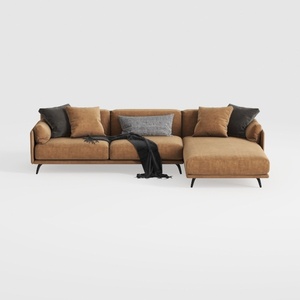
Minimalist Tan Leather L-Shaped Sectional Sofa 3D Model
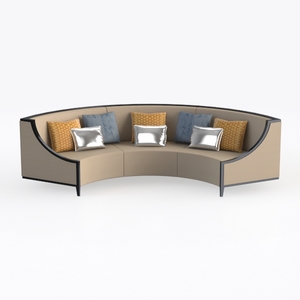
Modern Fabric Curved Sectional Sofa With Decorative Throw Pillows 3D Model

Coaster Home Furnishings - Camacho - Upholstered C
Homestyler is your go-to online home design platform! With an intuitive design tool, stunning 3D renderings, diverse design projects, and helpful DIY video tutorials, you can effortlessly transform your ideas into reality. Perfect for both beginners and seasoned designers!
Дизайн сейчас бесплатно
































