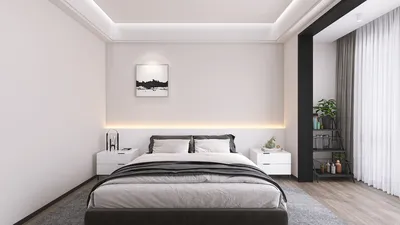
Scratch offers an engaging platform for beginners to get started with programming by using a simple, block-based approach. It allows users to create animations, simple games, and interactive stories with ease. While it primarily functions as a 2D environment, many creative individuals strive to bring the illusion of 3D into their Scratch projects. In this article, we'll discuss effective methods to create 3D models or visual illusions in Scratch while also highlighting the platform's limitations.
Understanding 3D in Scratch:
Although Scratch doesn't support 3D objects or rendering out of the box, you can generate convincing 3D visuals by employing innovative programming strategies, performing mathematical transformations, and by creatively manipulating 2D sprites. The principal methods to achieve this are:
How to Create 3D Effects in Scratch:
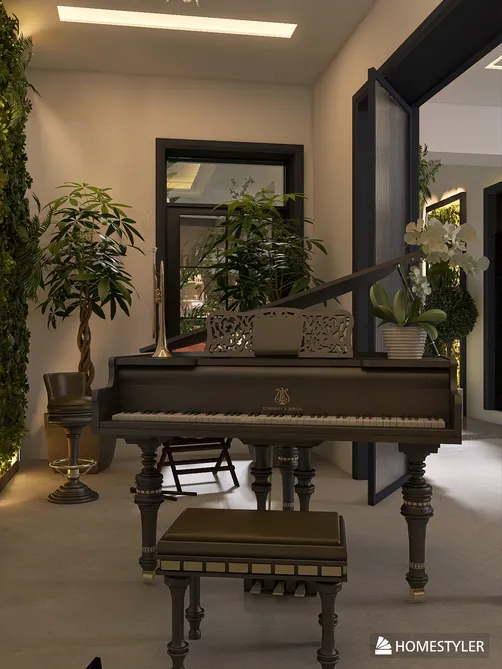
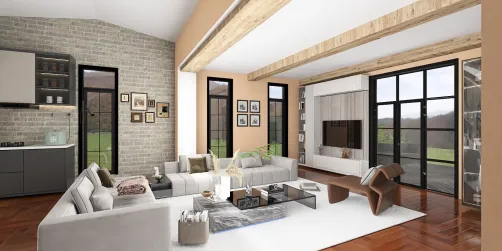
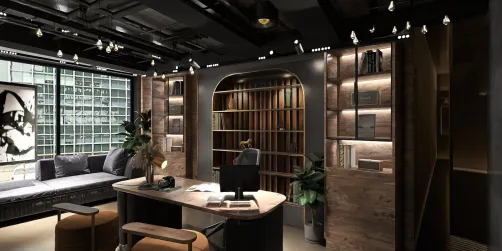
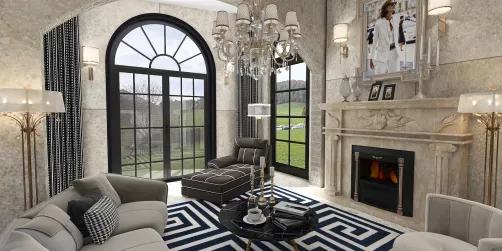
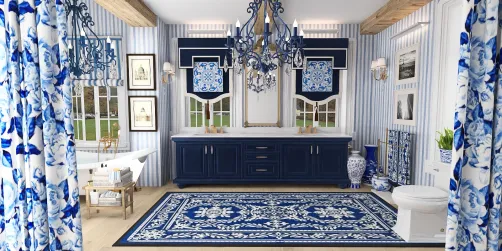
These techniques can yield stunning results, yet they come with certain limitations: as the design complexity escalates, performance can diminish significantly, and true 3D rendering akin to professional CAD software or advanced game engines is unattainable. As an interior designer, I approach this challenge similar to how I would with spatial planning: balancing creative ideas with practical limitations is crucial. For those looking to evolve from 2D simulations to authentic 3D model creation, it’s essential to transition to platforms that specialize in interior design visualization. For instance, using tools such as Homestyler provides advanced modeling capabilities, various material choices, adaptable lighting simulations, and a more authentic design experience—an invaluable resource for professionals working on room layouts or furniture arrangements.
Tips 1:
Begin with simple shapes like cubes or pyramids before attempting more intricate designs. Watching tutorials on how to project 3D points onto 2D will prove beneficial, and utilizing Scratch’s costume features creatively can save you time in the process.
FAQ
Q: Is it possible to create real 3D models in Scratch for export to other software?
A: No, Scratch is fundamentally a 2D platform. The "3D" effects are merely illusions achieved through 2D sprites and mathematical projections, not actual 3D models suitable for CAD use or 3D printing.
Q: What are some notable Scratch projects that incorporate 3D techniques?
A: Many projects aim to recreate popular games like Minecraft or explore raycasting mazes and dynamic geometric shapes. You can find inspiration by searching for "3D" within the Scratch community.
Q: Are there any plugins or extensions that can enhance Scratch with 3D features?
A: There are community-made modifications (such as TurboWarp or 3D extensions) that attempt to approximate 3D capabilities, but the core Scratch platform lacks native support for full-scale 3D modeling.
Q: What mathematical knowledge is required for creating 3D illusions in Scratch?
A: A foundational understanding of trigonometry, including sine, cosine, and projection equations, is beneficial for convincingly simulating depth, rotation, and perspective.
Q: When should I consider transitioning to specialized 3D software?
A: If your needs include authentic 3D editing, detailed texturing, realistic lighting, or the ability to export models for home design or manufacturing, then professional tools such as Blender or Homestyler are the most suitable options.
Discover the power of design with Homestyler! This user-friendly online platform offers an intuitive design tool, stunning 3D renderings, inspiring design projects, and helpful video tutorials. Whether you're a beginner or a seasoned DIYer, bring your home vision to life effortlessly!