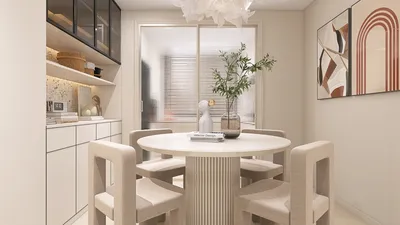


Having spent over ten years designing study bedrooms and small apartments, I've recognized that color plays a crucial role in shaping focus, mood, and daily habits. In student rooms where space is at a premium and schedules are packed, a thoughtfully selected palette can minimize mental fatigue and prepare the mind for concentrated work, all while maintaining a personal touch. The key is to match colors with appropriate lighting, finishes, and distinct zones within the space, using tools like Homestyler for layout planning.
Color selection goes beyond mere aesthetics. According to WELL v2, visual environments significantly influence both mental health and productivity. The Illuminating Engineering Society recommends a task lighting level of 300–500 lux for study desks to combat eye strain. Within this lighting range, softer mid-tone walls (LRV 50–70) help to diminish glare and provide a more restful visual experience. Steelcase’s research indicates that overly stimulating surroundings can heighten distractions, which is why we emphasize balanced color schemes with a focal accent rather than a chaotic mix of hues.
Establishing a Study Zone with Calming Neutrals
For the wall behind the desk, I often recommend using soothing neutrals such as warm light gray, greige, or gentle sage. These shades help reduce visual clutter, ensuring that study materials and screens remain the focal point. Research from Verywell Mind suggests that blues and greens foster tranquility and concentration; opting for more muted variations (like desaturated teal or soft eucalyptus) helps these colors feel warmer rather than icy. Painting the wall behind the monitor in a subdued hue minimizes edge contrast and flicker perception, enhancing comfort during study sessions.
Strategic Accents: A Singular Pop Without Overcrowding
One well-placed accent color can invigorate a space without creating chaos. Consider using shades like mustard, terracotta, or deep navy for an area like a shelving niche, headboard, or pinboard—designated areas that aren’t in direct sightlines during study hours. In my designs, situating the accent behind the bed helps avoid glare in the study zone while adding character to the room. Limiting accent colors to about 15–20% of visible surfaces prevents the space from feeling overwhelmingly busy.
Light Temperature, Lux Levels, and Paint Sheen
Color perception is highly dependent on light conditions. When setting up your desk, utilizing task lamps with a color temperature between 3500–4000K strikes a balance between stimulation and comfort; temperatures above 4000K may feel too clinical in the evening. Following IES guidelines, aim for 300–500 lux at your workspace and avoid glossy paint finishes that can create glare. For most student bedrooms, a combination of eggshell or matte wall finishes alongside semi-matte desktops generally suffices; this setup stabilizes perceived colors and softens highlights on printed materials.
Day-Night Color Strategies for Circadian Harmony
If the room serves both as a study area and a sleeping space, consider implementing a day-night color scheme. During the day, employ neutral tones with subtle green or blue accents near the desk for focus. In the evening, warm micro-accents—such as clay, apricot, or sand—should surround the bed to create a calming atmosphere for winding down. Ensure adjustable color temperatures: task lighting should be around 4000K while ambient lamps should be set between 2700–3000K in the evening. Following WELL v2’s recommendations on light spectra aids in reducing melatonin suppression at night.
Micro-Zoning through Color and Texture
Define different spaces within the room with subtle variations in color. A slightly darker shade behind the desk can delineate the study area, while a lighter, warmer hue near the wardrobe may enhance mornings. Incorporating a soft rug in a subdued color not only minimizes sound but also enhances acoustic comfort, thus reducing mental strain. For optimal furniture arrangement, utilizing layout tools such as Homestyler can help in simulating sightlines and identifying potential glare issues before finalizing your design.
Strategies for Small Spaces: Emphasizing Light Reflectance and Contrast
In small student rooms, select wall colors with a higher Light Reflectance Value (LRV) to brighten the space without introducing excessive contrast. Aim for balanced contrast ratios, such as dark desk accessories on a mid-tone desktop, paired with light shelving against a middle-toned wall. This approach helps alleviate constant refocusing strain, which can occur during extended study periods.
Personalization Without Disorder
Students often desire to express their identity in their living space. Utilizing removable artwork, textiles, and functional desk organizers allows for the introduction of personal colors—like peach, cobalt, or forest green—without overwhelming the space with overpowering hues. I typically suggest limiting saturated colors to portable items while keeping more permanent fixtures in calmer tones; this not only simplifies move-out touch-ups but also maintains a stable cognitive environment.
Complementing Colors with Material Choices
Combine paint with natural materials such as birch plywood, oak, cork, and cotton to soften saturation levels. Matte textures diffuse light effectively, keeping colors gentle on the eyes. For areas requiring durability, opt for low-VOC paints and washable surfaces; these finishes not only preserve true color over time but also contribute to the goal of healthier indoor air quality.
Focus on Calm: Soft sage walls paired with a warm light gray desk and desaturated navy pinboard complement birch shelving.
Igniting Creative Energy: Whisper-gray walls feature a terracotta accent niche, complemented by a natural cork board and an oak desktop.
Tech Balance: Pale greige walls with muted teal storage options, alongside a sand-colored headboard and a matte black task lamp set to 4000K.
How to Test Colors Before Committing
Apply paint samples at least 1x1 ft on the actual wall and evaluate them throughout the day—morning, midday, and evening—under your specific lamp settings. Photographing the desk area while the monitor is on can help identify any potential halos or glare issues. If colors appear overly green or gray at night, adjust the lamp's color temperature or choose a warmer neutral.
Research-Backed Design Insights
Studies by Steelcase link visual simplicity to reduced cognitive load, underscoring the importance of minimal contrast and limited accent use. Illuminance guidelines (300–500 lux at desks) diminish eye strain during reading and screen work. According to WELL v2, circadian-friendly lighting harmonizes well with warmer bedtime palettes. These benchmarks enable informed color choices that influence both mood and productivity without leaving things to chance.
Frequently Asked Questions
Q1: Which wall color best supports lengthy study sessions?
A soft neutral—such as a warm light gray, greige, or muted sage—provides a calming visual field that minimizes distractions, particularly under 3500–4000K task lighting.
Q2: Are vibrant colors detrimental to productivity?
Not necessarily. When used as controlled accents on less than 20% of visible surfaces, saturated colors can enhance a space. However, excessive high-contrast saturation may increase cognitive load and distract from focus.
Q3: What type of lighting complements study-friendly colors?
Aim for 300–500 lux at desk level and use a task lamp set between 3500–4000K to accurately represent neutrals and muted blue/green tones without glare, adhering to IES guidelines.
Q4: How can I effectively balance a small, dark room?
Opt for wall paints with a higher LRV (50–70), choose matte finishes, and incorporate one deeper accent that is strategically placed away from the desk. A light rug and reflective but non-glossy surfaces can help brighten the space.
Q5: Which accent color provides energy without overwhelming the senses?
Shades like terracotta, mustard, or deep navy, used in compact areas such as a niche or headboard, can be effective. It’s best to keep these accents outside of direct sightlines when seated at the desk.
Q6: How can color contribute to a restful environment in a study bedroom?
Incorporate warmer micro-accents (like apricot, clay, or sand) near the bed and adjust evening lighting to a range of 2700–3000K to promote melatonin production and relaxation.
Q7: Does the sheen of paint matter in study areas?
Absolutely. Utilizing matte or eggshell finishes on walls, along with semi-matte desktops, helps minimize glare and visual strain, ensuring that colors remain consistent under task lighting.
Q8: How should I test colors based on my actual setup?
Sample paints on the wall and evaluate them under your lamp settings throughout the day, especially when the monitor is on. If glare or harsh contrast is noticeable, consider adjusting the color temperature or selecting a gentler tone.
Q9: What strategies work for a north-facing room that feels chilly?
Consider warmer neutrals—like greige or light taupe—and incorporate wood textures. Using 3500K task lighting can prevent the palette from feeling dull or lifeless.
Q10: Are there any tips for coordinating shared student rooms?
Define personal areas with subtle color variations—your desk could feature muted sage while your roommate’s may lean towards light gray. Maintaining neutral common areas helps avoid visual clutter and conflict.


Homestyler is your go-to online home design platform! With an intuitive design tool, stunning 3D renderings, and a wealth of DIY video tutorials, it empowers you to create beautiful spaces effortlessly. Explore design projects and unleash your creativity today!
Дизайн сейчас бесплатно
































