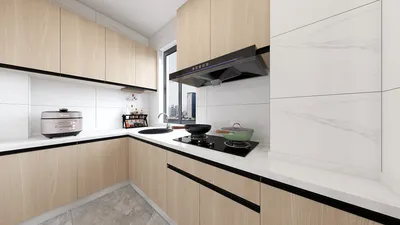


Creating a home altar doesn't require a dedicated room; rather, it needs purpose, proportion, and tranquility. In spaces like living rooms, where family interaction is most vibrant, an altar can act as a visual centerpiece and a gentle reminder for mindfulness. Through my design approach, I emphasize light, height, and circulation—when these elements are in harmony, the altar becomes an intentional feature rather than an afterthought, enhancing the overall environment. Utilizing tools like Homestyler can help visualize these aspects effectively.
There is strong evidence supporting the design of serene spaces. Studies reveal that having intentional restorative areas correlates with better stress management and improved satisfaction in interior environments, as highlighted in the WELL v2 Mind concept. Research from Steelcase indicates that users with defined areas for focus and relaxation experience greater well-being and engagement. This principle applies at home too, where establishing a clear ritual space can help minimize cognitive overload. Furthermore, lighting plays a pivotal role; guidelines from the Illuminating Engineering Society suggest aiming for 100–200 lux in living areas and 300 lux for reading, with softer ambient lighting near altars being most beneficial at around 100–150 lux complemented by a warm color temperature of 2700–3000K for a peaceful atmosphere.
Clarifying Your Intentions Before Focusing on Aesthetic Design
Before selecting materials or symbols for your altar, it’s important to define its purpose: will it be for daily meditation, display of ancestor photographs, candle lighting, or seasonal offerings? This intention will guide dimensions, storage requirements, and the visual hierarchy of the altar. I recommend placing the main focal point at eye level when seated (approximately 42–48 inches from the floor), ensuring the altar connects to your seated experience without overwhelming it.
Achieving Balance Through Scale, Proportion, and Sightlines
Balance is crucial in altar design. Ideally, the width of the altar should be between 20–35% of the wall length it occupies to avoid dominating the space. If your sofa is oriented toward a television, consider positioning the altar on a side wall for visibility from additional seatingM to maintain a separation between entertainment and reflection. Allow at least 30–36 inches of open space in front to create a serene and approachable atmosphere.
Layered, Warm, and Perceptibly Low-Glare Lighting
Soft, layered lighting is preferable to a single, harsh source. I combine a dimmable wall wash (set at 10–15 degrees off-axis to reduce glare) with a hidden LED strip under a shelf (2700–3000K, CRI 90+). For any symbols displayed behind glass, opt for matte finishes or low-reflection glass to avoid distracting highlights. If candles are incorporated into the altar, consider pairing them with a battery-powered nightlight to ensure safety and continuity. Controlling glare lessens visual fatigue and maintains the altar’s calming purpose.
Choosing Grounded and Tactile Materials
Opt for materials that feel solid and pleasant to touch. I prefer options like oiled white oak, walnut, rattan, and limewash plaster for their gentle, diffuse light reflection. In contemporary styles, fluted wood or ribbed plaster can add texture without distracting from the altar’s focus. If using incense, choose heat-resistant trays (stoneware or metal) and protect surfaces with discreet insets for durability. Matte finishes are easier to maintain, as they conceal ash more effectively than glossy options.
Utilizing Color Psychology for Enhanced Calm and Focus
Soft earth tones, muted greens, and desaturated blues promote a sense of restoration and reduce visual stimulation. Studies in color psychology show that blue and green hues are linked to calmness and stability, which support reflective activities. Use vibrant colors thoughtfully—perhaps as an accent in one textile, flower, or icon—to create a subdued point of interest without overwhelming the senses.
Inconspicuous Storage for Daily Use
Integrate shallow drawers (3–4 inches high) to store items like incense, matches, and journals. A concealed cable channel can house any subtle LED wiring along with small audio devices for chants if needed. Keep surfaces tidy; visual clutter can detract from the altar’s essence.
Layout Ideas for Various Living Spaces
- In a compact apartment: Utilize a vertical wall niche with a couple of floating shelves and recessed LED strips. Ensure projection remains at 8–10 inches for comfortable movement and consider a wall-mounted kneeler or a foldable meditation cushion that can be stored in a basket for space efficiency.
- In open-plan settings: Construct a low console (28–30 inches high) aligned with structural elements or between windows to define a micro-zone. A 4x6 foot rug anchors the area, signaling a shift in activity upon stepping onto it.
- For traditional designs: A corner altar can be complemented with a bi-fold or sliding screen for privacy during gatherings. Position the screen to shield the altar from direct line of sight with the TV, ensuring the ambiance remains distinct.
- For families with children: Include rounded edges, securely anchor furniture to studs, and opt for closed storage to keep matches or oils out of reach. Place delicate items out of reach above 48 inches, while maintaining a low shelf for child-friendly items like flowers or stones.
While planning various arrangements, utilizing an interior layout planner can enhance the visualization of dimension, height, and spacing without guesswork. If exploring layout options, consider using a room layout tool like Homestyler to simulate console widths, clearances, and sightlines effectively.
Fostering Acoustic Comfort and Ritual Sounds
Sound elements can enrich the ceremonial experience. Incorporate soft-surface materials such as rugs, curtains, or upholstered screens to absorb mid to high-frequency sounds and minimize household noise. If using a singing bowl or playing soft music, keep devices hidden and maintain volume at conversational levels (around 50–55 dBA) to prevent interference with adjacent activities.
Safety, Ventilation, and Practical Considerations
- For candles and incense: Use non-slip trays, ensuring at least 12 inches of clearance above flames, and avoid placing them beneath open shelves.
- Ventilation: Ensure cross-ventilation after the use of incense; utilizing a quiet fan or open window can help dissipate lingering particulates.
- Electrical: Installing dimmer switches in the altar area allows for quick transitions from day-time brightness to evening rituals.
- Rugs and seating: When kneeling or sitting cross-legged, opt for medium-density rugs and add a firm cushion (around 6–8 inches) to support proper spinal alignment.
Stylization: Keep it Minimal Yet Significant
Select 3–5 meaningful items for your altar instead of overcrowding it. Consider including one meaningful icon or photo, one natural element (branch, flower, or stone), a light source (candle or lamp), and a single seasonal piece. The empty spaces around your objects serve as a canvas for meditation and reflection.
Merging Cultural and Interfaith Components
Many households incorporate diverse traditions. Organize items based on vertical hierarchy—earthly elements at the bottom, teachings or texts mid-level, and symbolic lights at the top—creating a unified composition from various objects. Avoid placing sacred items directly on the floor; instead, utilize a low plinth or tray for display.
Prioritizing Sustainability and Low-Maintenance Materials
Choose FSC-certified woods, LED lighting with replaceable parts, and natural finishes that are free from high-VOC solvents. Dried plants can be a longer-lasting alternative to fresh bouquets; beeswax candles burn cleanly and emit a gentle scent without synthetic fragrances.
When an Altar is Located Adjacent to the TV
Create separation through vertical design elements. Frame the TV with built-in features, while allowing the altar to occupy a distinct area with softer lighting and matte materials. Ensure reflective surfaces are kept distant from screens to prevent double imagery. A sliding panel could elegantly conceal either element depending on the moment, whether it’s for solemn reflection or family movie night.
Designing for Everyday Ritual Flow
A good altar invites brief, repetitive engagements. Keep a journal and lighter in the same drawer, install a small hook for mala beads, and always have an accessible water vessel for flowers. The more convenient the layout, the more frequently the ritual will take place.
Expert Insights and Additional Resources
For further insights on restorative environments and behavioral triggers in interior spaces, consider exploring work from Steelcase Research and the WELL v2 Mind concept. These resources provide valuable guidelines encompassing lighting, acoustics, and psychological wellness that can be seamlessly adapted to residential spaces.
Frequently Asked Questions
Q1: What lighting levels are optimal for a living room altar?
A1: Aim for 100–150 lux in ambient lighting, using warm 2700–3000K LED fixtures. A dimmable accent light highlights focal points while minimizing glare, aligning with recommendations from IES for peaceful home environments.
Q2: How can I ensure an altar remains discreet in a compact living area?
A2: Implement a wall niche or a slender console coupled with hidden storage and soft wall lighting. A neutral color scheme and matte materials will help it blend seamlessly when not in use.
Q3: Which materials are both serene and resilient?
A3: Choices like oiled oak, walnut, limewash plaster, and stone trays provide tactile experiences that are durable, low-sheen, and cleansable in terms of heat and ash management compared to glossy surfaces.
Q4: Where should the altar be situated in relation to seating?
A4: Position the altar to be visible from alternative seating arrangements without competing with the TV’s focus. Aim to center the main piece at a height of 42–48 inches from the ground to ensure an eye-level connection while seated, and maintain a clearance of 30–36 inches for accessibility.
Q5: How do color selections impact the atmosphere?
A5: Subdued greens, blues, and earthy shades promote calmness and concentration; incorporating an accent in a deeper hue directs focus without creating overstimulation, reflecting findings in color psychology studies.
Q6: What precautions should be taken regarding incense and airflow?
A6: Always utilize heat-resistant trays and ensure 12 inches of clearance is maintained. Implement cross-ventilation post-incense use; a quiet fan or open window will help prevent particles from accumulating.
Q7: Is it possible to have an altar in homes with children and pets?
A7: Absolutely—ensure edges are rounded, securely fasten shelves, store lighter items in lockable drawers, and position fragile objects above 48 inches. Offer lower shelves for child-friendly elements.
Q8: How can I accommodate the correct positioning for meditation?
A8: Provide a medium-density rug and a firm cushion of 6–8 inches to maintain the spine's neutral alignment. If sitting on the ground, consider a compact bench with round edges that neatly fits under the altar to keep the area organized.
Q9: What’s the best lighting technique for illuminating glass-encased photos or icons?
A9: Utilize off-axis lighting (set at 10–15 degrees) and employ low-reflection glazing or matte finishes to counteract glare on the glass surfaces.
Q10: How can I prevent the altar from appearing cluttered?
A10: Limit your display to 3–5 significant pieces, include a shallow drawer for storage, and rotate decorations seasonally—removing one item as you add another.
Q11: What sustainable options are available for candles and finishing techniques?
A11: Beeswax or coconut wax candles are more environmentally friendly and burn cleaner than traditional paraffin. Additionally, opt for FSC-certified lumber and low-VOC finishes for a healthier indoor atmosphere.
Q12: How can technology be integrated without disrupting the altar's ambiance?
A12: Yes—conceal small speakers and cables behind a rear channel, use warm-tone LEDs with dimmable options, and store controls in the top drawer for easy, unobtrusive use.
Built on technology originally developed at Autodesk, Homestyler empowers anyone to design beautiful, realistic spaces in minutes. Join over 18 million users who have already discovered a smarter way to plan, visualize, and bring their dream homes to life — all from the comfort of a browser.

Minimalist Solid Wood Linen Fabric Extra Long Sofa 3D Model

Minimalist Solid Wood Round Dining Table 3D Model
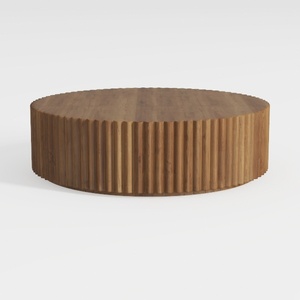
Minimalist Solid Wood Fluted Round Coffee Table 3D Model
Discover the creativity and ease of Homestyler, the ultimate online home design platform! With its user-friendly design tool, stunning 3D renderings, and a wealth of DIY video tutorials, transforming your space has never been more enjoyable. Bring your dream home to life today!
Дизайн сейчас бесплатно
































