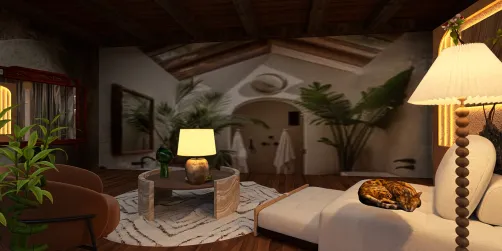
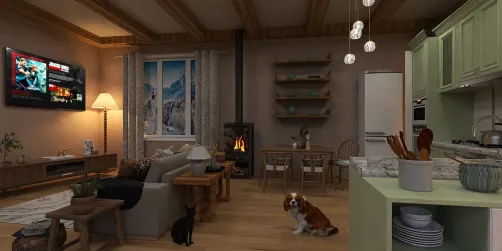
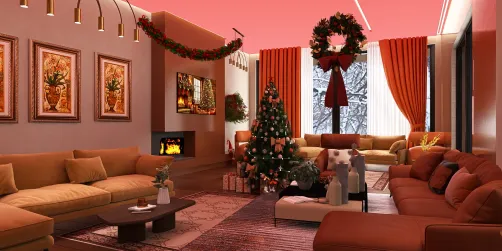
Winter Home Interior Design
The 'Winter Home Interior Design' scene refers to a holistic, emotionally resonant interior space intentionally crafted for seasonal comfort—emphasizing warmth, softness, tranquility, and natural light during cold months. It transcends mere thermal insulation or decorative motifs (e.g., snowflakes or fur throws); instead, it integrates biophilic elements, layered textures, strategic lighting, regional architectural sensitivity (e.g., Italian rustic charm or Spanish Mediterranean warmth), and human-centered functionality—including pet-friendly layouts, child-safe zones, and multi-generational accessibility. This scene is not limited to a single room but embodies a cohesive residential experience where every zone—from living rooms to bedrooms—supports psychological safety, physical coziness, and visual serenity under winter conditions.
Design Challenges & Common Pitfalls
Designers often struggle with balancing aesthetic warmth and functional practicality: overloading spaces with heavy textiles risks visual clutter and reduced air circulation; relying solely on artificial lighting undermines the contest’s emphasis on 'bright winter sunlight'; failing to account for regional climate differences (e.g., humid vs. dry cold) leads to material mismatches (e.g., untreated wood warping); and neglecting AI-assisted spatial validation results in unrealistic furniture scaling or circulation paths. Additionally, many entries treat 'winter' as a superficial theme—adding knit blankets without addressing thermal bridging, window U-values, or radiant heat distribution—compromising both authenticity and indoor environmental quality.
✅ Prioritize Layered Thermal Comfort
True winter warmth stems from integrated thermal layering—not just surface-level decor. This includes high-performance window glazing (e.g., low-E double-pane), insulated wall finishes (e.g., cork or wool-based panels), radiant floor heating beneath natural materials like stone or engineered hardwood, and strategic textile layering (e.g., shearling rugs over wool carpets, linen-upholstered sofas with removable fleece throws). Crucially, Homestyler AI design tools enable real-time thermal simulation overlays and material conductivity previews—allowing designers to test how each surface contributes to perceived warmth before rendering.

Designer GaronaX 🖤 applies layered thermal comfort in her '🖤💤👒🖤' children’s bedroom by combining tactile materials—plush area rug underfoot, quilted upholstered headboard, and knitted wall hangings—while maintaining clear daylight access through large windows. Using Homestyler AI, she validated optimal window placement to maximize passive solar gain during midday winter sun angles, ensuring the space stays naturally warm without artificial heating overload—an elegant example of indoor space planning that merges safety, sensory comfort, and energy-aware design.
Design Your Cozy Space✨ Maximize Natural Light & Reflective Warmth
Winter interiors suffer most from flat, shadow-dominant lighting. The principle demands maximizing available daylight through window optimization (size, orientation, glazing clarity) and amplifying its effect via reflective surfaces: matte-finish warm-toned walls (e.g., terracotta or oat milk paint), polished brass or copper fixtures, mirror placements opposite windows, and light-diffusing sheer curtains. Avoid cool-toned whites or glossy finishes that create glare without warmth. Homestyler AI’s real-time lighting simulator allows users to toggle seasonal sun paths (e.g., December solstice angle) and preview how light interacts with materials—enabling precise reflective surface placement for consistent luminance and chromatic warmth.

✧ Zahra DESIGN ✧ demonstrates this in 'A Warm Embrace'—a villa living room where floor-to-ceiling south-facing windows flood the space with low-angle winter light, amplified by a large arched mirror behind the sofa and warm-toned travertine flooring. Her Homestyler AI workflow included simulating December 21st noon light penetration depth and adjusting curtain opacity settings digitally—ensuring optimal diffusion without heat loss. This reflects advanced indoor space planning where light isn’t just decorative but thermally functional and psychologically uplifting.
Start Free Winter Design🌿 Integrate Biophilic Calm & Human-Centered Flow
Biophilia—our innate connection to nature—is critical for winter mental wellness. This principle goes beyond adding potted plants: it involves organic material palettes (reclaimed wood, stone, clay), curved furniture silhouettes that reduce visual tension, acoustic softening (textile wall panels, woven ceiling baffles), and intuitive spatial zoning that supports rest, socialization, and quiet contemplation. Homestyler AI’s smart room segmentation and traffic flow analyzer helps validate circulation paths—especially vital in compact apartments—ensuring no zone feels isolated or congested, while maintaining visual continuity between areas (e.g., open-plan living-dining-kitchen with subtle material transitions).

Joanne M 🐾💜🐾🖤 masterfully applies biophilic calm in her 'Warm and cozy little home' apartment layout—integrating a vertical herb garden near the kitchen window, a live-edge walnut sideboard echoing tree-ring patterns, and gentle archways between zones to soften transitions. Leveraging Homestyler AI design techniques, she ran a circulation heatmap to refine the path from entry → living → dining, eliminating bottlenecks while preserving sightlines to outdoor greenery—a hallmark of empathetic indoor space planning that supports emotional grounding during long winter days.
FAQ
Q: How does Homestyler AI help simulate realistic winter lighting conditions?
A: Homestyler AI uses geolocation-aware sun path modeling—inputting your project’s latitude and date (e.g., Dec 21) to render accurate solar altitude, azimuth, and shadow length. It also layers material-specific reflectivity (e.g., matte plaster vs. polished brass) and calculates light bounce values, enabling designers to optimize window placement and reflective surfaces for maximum warmth and brightness.
Q: Can I apply regional architectural styles (e.g., Italian or Spanish) using Homestyler’s AI tools?
A: Yes. Homestyler’s Style Transfer Engine includes curated regional presets—such as 'Tuscan Rustic', 'Andalusian Courtyard', or 'Scandinavian Hygge'—that auto-adjust material libraries, proportion rules, color palettes, and even structural elements (e.g., arched doorways, exposed beam ceilings) while preserving your core layout. These are trained on thousands of award-winning regional designs, including top entries from the 'Warm home in Winter for App' contest.
Q: What are common mistakes in winter home interior space planning—and how can Homestyler design techniques prevent them?
A: Top mistakes include poor thermal zoning (e.g., placing a cold tile floor under a reading nook), ignoring furniture scale relative to window light pools, and over-decorating at the expense of airflow. Homestyler’s Thermal Zone Overlay, Real-Time Scale Validator, and Airflow Path Analyzer flag these issues instantly—turning subjective intuition into data-informed Homestyler design tips.
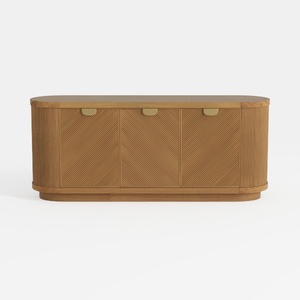
Modern Minimalist Solid Wood Fluted Sideboard with Brass Accents 3D Model
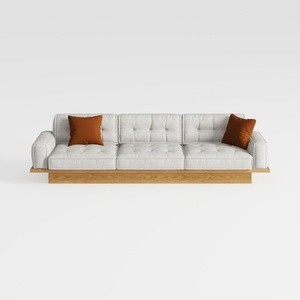
Modern Solid Wood Frame Tufted Fabric Three Seat Sofa 3D Model
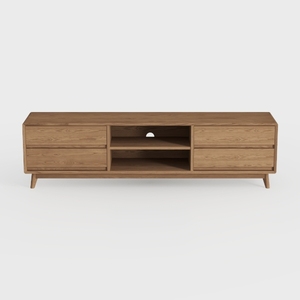
OKD TV Stand for 75+ Inch TV, Mid Century Modern
Homestyler offers an easy-to-use online design tool packed with 3D renderings, inspiring interior projects, and helpful DIY video tutorials—making it simple and fun to create your perfect home design from start to finish.
Дизайн сейчас бесплатно