Winter Living Space Design
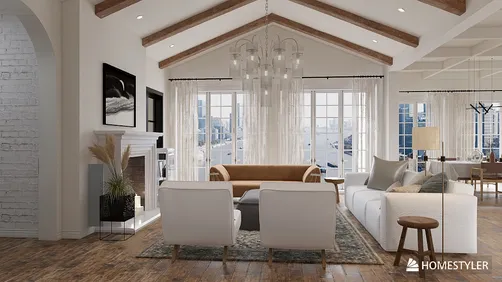
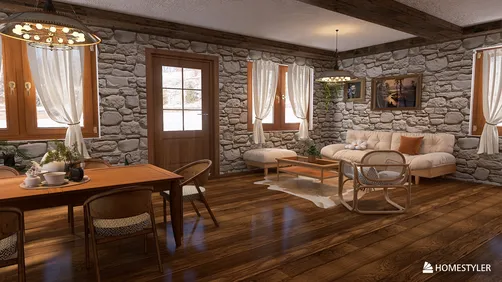
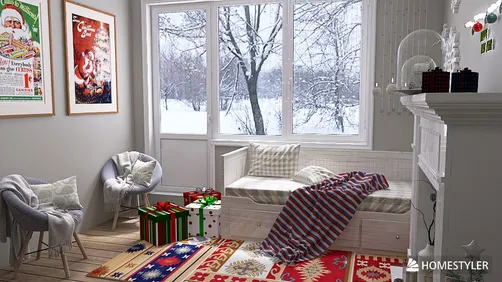
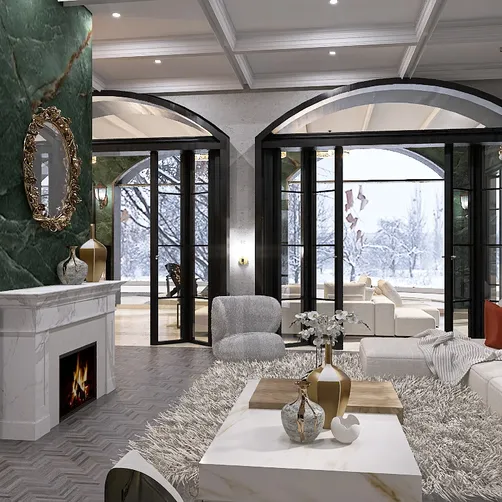
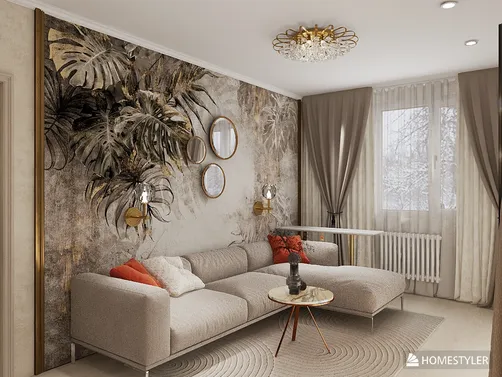
The 'Winter Living Space' refers to a core residential interior zone—typically the living room or combined living-dining area—specifically optimized for thermal comfort, psychological warmth, and seasonal light engagement during cold months. Unlike generic living rooms, this scene prioritizes layered insulation perception (through materiality and texture), strategic solar gain capture (via window placement and glazing), and emotional resonance (via lighting tone, color psychology, and tactile surfaces). It bridges architectural response to climate with lifestyle aesthetics—evident across top submissions like rustic chalets, minimalist cottages, and festive holiday homes—all unified by their intent to make winter not endured, but embraced.
Design Challenges & Common Pitfalls
Designing for winter introduces unique spatial contradictions: maximizing daylight without heat loss, achieving visual warmth without visual clutter, and balancing cozy intimacy with functional openness. Common issues include over-reliance on heavy drapery that blocks low-angle winter sun; underestimating thermal bridging at windows and exterior walls; using cool-toned lighting (e.g., 5000K+) that undermines psychological warmth; and selecting materials that look soft (e.g., faux fur) but lack actual thermal mass or air-trapping microstructure. Poor indoor space planning—such as furniture blocking radiant heat paths or obstructing south-facing glazing—further reduces passive solar efficiency.
Core Design Principles
☀️ Maximize & Modulate Natural Light
Prioritize large, high-performance windows oriented toward true south (in the Northern Hemisphere) to capture low-angled winter sunlight. Use dynamic glazing or smart blinds—not static curtains—to retain solar heat gain while preventing glare. Supplement with reflective interior surfaces (light-colored ceilings, polished concrete floors, mirrored accents) to bounce and diffuse light deeper into the plan. Avoid deep recesses or overhangs that shade winter sun but admit summer sun—design shading for seasonal asymmetry.

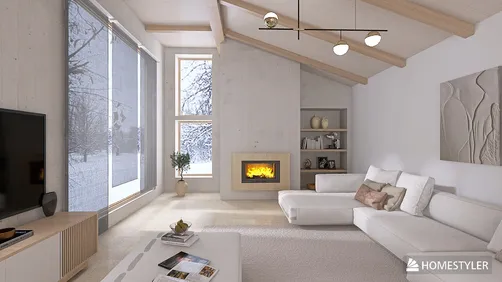
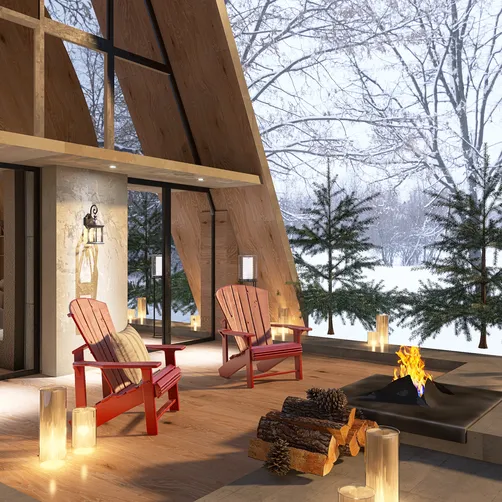
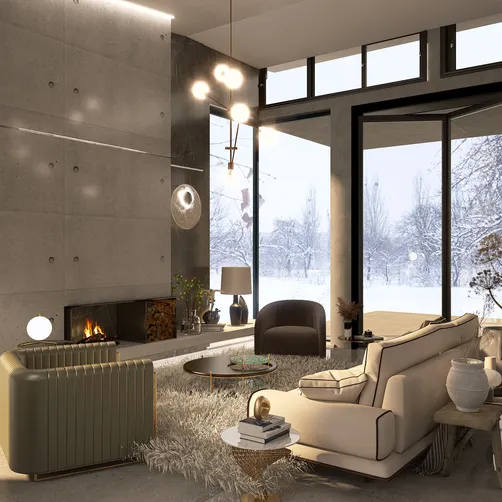
Cecilia Botha’s 'Winter cottage' exemplifies intelligent light modulation: her design features expansive north-facing windows paired with HDR rendering ('g_northern_snow') and sunlight=1 setting in Homestyler AI—ensuring realistic winter sky diffusion and soft ambient fill. She avoids heavy window treatments, instead using exposed concrete walls (a thermally massive surface) to absorb and re-radiate solar heat—a strategy enabled by Homestyler’s material property simulation and real-time sunlight preview tool.
Start Free Designing🔥 Layer Thermal Perception Strategically
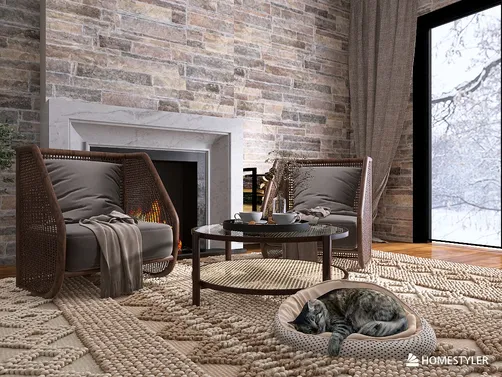
Thermal comfort is more than air temperature—it’s the sum of radiant surface temperatures, air velocity, humidity, and personal sensation. Layer textures (e.g., wool rugs over hardwood, linen-upholstered sofas beside stone hearths), introduce hygroscopic materials (wood, clay plaster) to buffer humidity swings, and place radiant heat sources (fireplaces, heated floors) where occupants dwell longest. Avoid monolithic finishes; instead, combine warm-toned woods, tactile textiles, and matte ceramics to create multisensory warmth cues—even when HVAC is off.

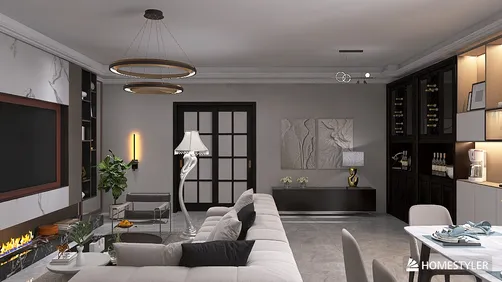
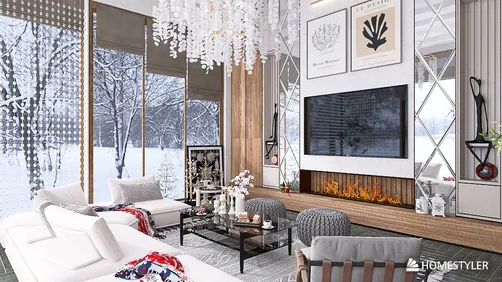
Nata.kmv’s 'гостиная' (living room) uses Homestyler’s AI-powered texture mapping to layer perceived warmth: a plush ivory rug grounds the seating zone, while matte-finish timber wall panels and woven pendant lighting reinforce tactility. The absence of glossy surfaces prevents cold reflections—key for indoor space planning in low-light conditions. Her use of the 'd_northern_snow' HDR environment ensures accurate winter shadow softness and surface luminance, supporting authentic thermal perception modeling.
Begin Warmth Design🌿 Integrate Nature & Biophilic Rhythm
Winter interiors risk feeling hermetic or sterile. Counteract this by embedding biophilic elements: evergreen botanicals (real or hyper-realistic fakes with natural movement), organic-shaped furniture, wood grain visible in structural elements, and nature-derived color palettes (moss greens, slate greys, cream whites). Introduce subtle seasonal rhythm—e.g., rotating textile patterns (plaid → houndstooth → cable knit) or adjustable lighting scenes (‘Dawn’, ‘Midwinter Glow’, ‘Twilight Hearth’)—to maintain psychological connection to natural cycles.

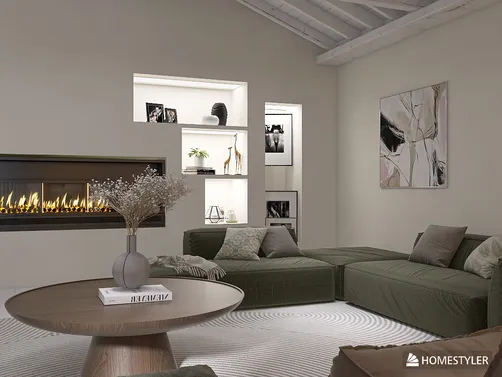
Cecilia Botha’s 'Winter Modern Haven' leverages Homestyler Design Tips to embed biophilia: she places sculptural olive trees beside floor-to-ceiling glazing, using the AI’s plant library with photorealistic winter foliage. The exposed concrete wall isn’t cold—it’s warmed visually by adjacent walnut shelving and a textured jute rug, demonstrating how interior space planning balances material contrast to evoke ecological harmony. Her tagValue includes 'green plant' and 'windows', confirming intentional nature integration.
FAQ
Q: What does 'Warm home in Winter' mean beyond just heating?
It means designing for holistic thermal comfort—combining passive solar gain, radiant surface warmth, humidity regulation, and psychological cues (light tone, texture, color, biophilia). Homestyler Design Tips help simulate these layers before construction.
Q: Can I enter the AIDA sub-challenge if I’m new to Homestyler?
Absolutely. The 'Warm home in Winter for Web' contest allows up to 4 design iterations per entry and provides intuitive AI tools—including HDR environment selection (e.g., 'g_northern_snow'), sunlight sliders, and one-click material swaps—to accelerate learning. Top winners like Kayley W used beginner-friendly workflows.
Q: How important is indoor space planning for winter energy efficiency?
Critical. Strategic furniture layout affects radiant heat flow, solar access, and air circulation. For example, placing a sofa directly in front of south-facing windows blocks solar gain; positioning it perpendicular allows light to penetrate deeper—optimizing both comfort and passive heating. Homestyler’s real-time sunlight preview makes this planning tangible.
Q: Are regional architectural features mandatory in submissions?
Yes—the contest brief explicitly calls for integrating 'regional architectural features and lifestyle aesthetics'. This could mean Quebecois timber framing, Scandinavian pine ceilings, Alpine stone fireplaces, or UK-inspired bay-window nooks. Homestyler’s global material library and style tags (e.g., 'designStyler:10012' for Minimalist) support authentic regional expression.
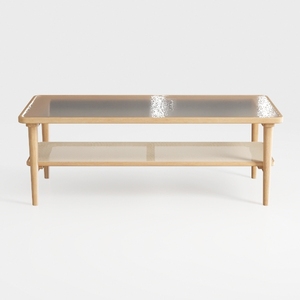
VECELO Coffee Table with 2-Tier Storage Shelf X-Fr
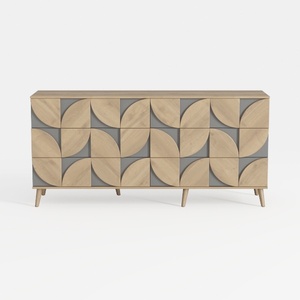
Modern Geometric Pattern Solid Wood Sideboard Cabinet 3D Model

Minimalist Solid Wood Linen Fabric Three Seat Sofa 3D Model
Homestyler is an easy-to-use online home design platform offering powerful 3D rendering tools, inspiring interior projects, and helpful DIY video tutorials. It’s perfect for anyone looking to create and visualize stylish, personalized living spaces effortlessly.
Дизайн сейчас бесплатно