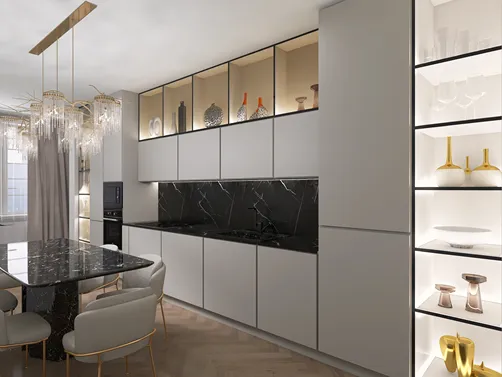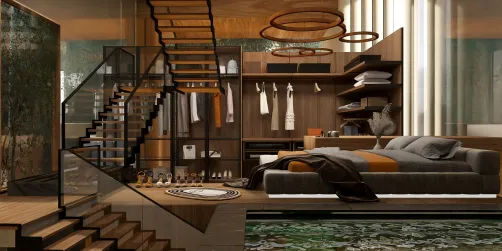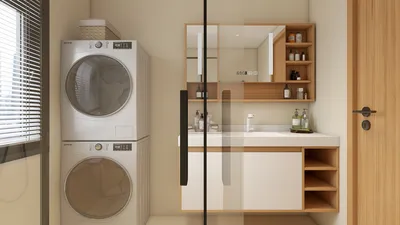
As we look towards the future of residential living, a key concern arises: ground-floor homes are often designed with a surplus of rooms yet lack proper flow. Recent insights from the NAHB highlight a consistent preference for three-bedroom designs, even as property lots decrease in size. This dynamic influences my approach to crafting an effective three-bedroom ground floor home plan using tools like Homestyler to visualize and optimize the layout for modern living needs.
spatial reasoning toolkit
Courtyard Spine | Three Beds + Shared Core
Design Logic: A central courtyard serves as a cooling hub that helps to maintain bedroom tranquility while allowing the communal living area to breathe; incorporating drought-resistant plants will further facilitate low-maintenance living.
Flow: The sequence from entry to mudroom, followed by the living/dining area, circling through the courtyard before leading to the bedroom cluster creates a loop. This design prevents dead ends and reduces decision-making time.
Sightlines: The staggered door placements enhance privacy while the living room forms a straight sightline through glass doors that connect with the courtyard, allowing bedrooms to be perceived as secondary spaces.
Storage: Built-in storage around the perimeter functions as a caching system for frequently used items like linens and seasonal supplies, ensuring they are easily accessible without disrupting the flow.
Furniture Fit: The layout accommodates sofas with a span of 90–100 inches and dining tables ranging from 72–84 inches, leaving the courtyard entry clear; bedrooms are sized for queen or king beds with 30 inches of space on either side to enhance traffic flow.
Verdict: This design anticipates future needs related to heat, privacy, and adaptability throughout various daily activities; five years from now, the courtyard will serve as a multifunctional space for work, leisure, and recovery.
save pin
Split-Wing | Parents Left, Kids/Guests Right
Design Logic: This split-wing configuration alleviates noise concerns, dedicating one side to the primary suite while the other houses children or guests; this thoughtful layout fosters future-ready multi-generational living.
Flow: The layout begins at the carport leading to a drop zone and kitchen hub before branching off to the two wings; this design ensures smooth traffic patterns at busier times such as school nights.
Sightlines: Visibility from the kitchen allows monitoring of both wings, while hall niches break up the corridor, keeping private spaces discreet without exposing them to public areas.
Storage: Each wing provides ample storage solutions—deep wardrobes and toy bins in the family wing, and vertical closets for luggage in the primary wing, with overflow space extending to a compact attic.
Furniture Fit: Furniture pieces are designed to optimize space, such as sectionals limited to 36 inches deep, and kids’ desks sized at 24–30 inches deep; the guest room includes a daybed to maximize flexibility.
Verdict: This plan streamlines daily life into manageable components, allowing families the autonomy to adapt their living spaces as roles evolve without the need for significant renovations.
save pin
Gallery Axis | Front-to-Back Light Rail
Design Logic: A straight gallery corridor functions like a data bus, enhancing light penetration and movement flow; bedrooms extend off this corridor while living spaces open onto the patio area.
Flow: The movement through the front stoop and vestibule leads to the gallery, and further to the combined living and dining area, which opens directly onto the rear patio, minimizing unnecessary cross-traffic and allowing for easy maneuverability.
Sightlines: The design grants a long view from the entryway to the garden, enhancing the house's user experience; side doors are set back, making private rooms feel more subdued and less exposed.
Storage: The gallery wall serves as a continuous cabinet for items like shoes, coats, and chargers, while the kitchen pantry acts as a high-capacity storage node positioned near the terminal area.
Furniture Fit: A narrow console in the gallery (spanning 12–15 inches) allows the dining table to be positioned centrally without obstructing the flow; the primary bed wall accommodates layouts for king beds without squeezing exit paths.
Verdict: This design is both timeless and efficient; in five years, its straightforward layout will cater well to aging residents, support micro-mobility, and easily adapt to remote working lifestyles.
save pin
Final Takeaway
Creating a three-bedroom ground floor house plan involves more than just defining rooms; it requires thoughtful consideration of flow, storage solutions, and sightlines to foster a peaceful living atmosphere. Variations such as the split-wing, gallery axis, and courtyard spine illustrate how housing can be compact yet functionally rich. Based on my experience and designs made possible with tools like Homestyler, the homes of tomorrow will emphasize intentionality over sheer size while maximizing livability.
Homestyler is your go-to platform for transforming home design ideas into reality. With its user-friendly online design tool, stunning 3D renderings, and a wealth of inspiring design projects and tutorials, you can easily create the home of your dreams. Start designing today!