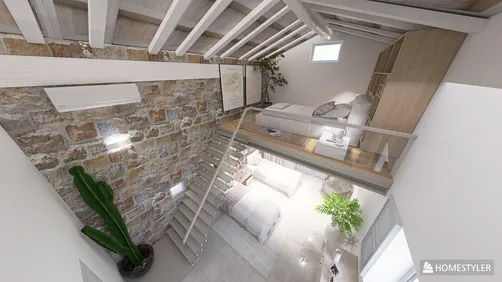
I've had the opportunity to design and renovate various compact homes where a wood-burning stove serves dual purposes: as a cozy centerpiece that warms the soul and as a reliable heat source. In smaller spaces, the stove's positioning, necessary clearances, airflow paths, and choice of materials become significantly more crucial than in larger dwellings. When executed correctly, a stove can center the living area, establish visual rhythm, and enhance indoor comfort without excessive heat or obstruction of air circulation. Homestyler can be a valuable tool in visualizing all these aspects effectively.
The distribution of heat poses the initial challenge. Research from Steelcase shows that thermal comfort is vital for overall comfort and performance perceptions in interiors, influencing how long individuals choose to remain in a space (Steelcase Research). Furthermore, the WELL v2 guidelines stress the importance of managing thermal gradients and air quality for occupant well-being, suggesting a sufficient supply of outside air and proper combustion by-products management for health-focused interiors (WELL v2 Air & Thermal Comfort). These principles are directly applicable to the design of stoves in small houses: carefully consider a location and design that ensure temperature balance, fresh-air intake, and clean exhaust pathways, ideally integrated with tools like Homestyler.
Lighting and color enhance the perception of warmth. As noted by Verywell Mind in their analysis of color psychology, warm colors like terracotta and muted ochre convey feelings of coziness, while cooler shades can visually expand small spaces, giving an illusion of size. Combining these palettes with layered lighting that adheres to IES recommendations will help avoid glare on stove glass and ensure soft contrast in low, firelit settings. Together, strategic color choices and lighting can transform the stove into a peaceful focal point rather than an overwhelming hotspot.
Site and Safety First: Clearances, Codes, and Fresh Air
Begin by consulting the manufacturer's clearance requirements related to combustibles, then shield walls and floors with noncombustible materials that exceed the minimum specifications for genuine safety. In compact rooms, I prefer using a wall-mounted outside air kit, allowing the stove to draw combustion air straight from outside, which stabilizes burn quality and mitigates negative pressure issues. A vertical flue route typically drafts more effectively than longer horizontal paths. If renovations are on your agenda, consider utilizing an interior layout planner to visualize stove placement, circulation routes, and safe distances for furniture with the help of a room layout tool like Homestyler.
Placement Strategy: Heat Where You Live, Not Where You Pass
In smaller homes, the optimal position for a wood-burning stove is usually along the longest uninterrupted wall of the main living area, providing a sightline to adjoining micro-zones such as a dining nook or reading corner. Positioning the stove near the heart of the layout minimizes temperature stratification and shortens air travel distances. Avoid placing the stove in corners where convection can become trapped; instead, ensure at least two open sides for warm air to distribute throughout the room and return along the perimeter. When possible, keep the flue close to the home's thermal center to improve draft efficiency and mitigate cold downdrafts during transitional seasons.
Thermal Zoning: Move Air Quietly, Not Aggressively
I prefer utilizing gentle, low-noise ceiling fans set to winter mode (pulling air upwards) to break thermal stratification without creating drafts. Installing a quiet through-room transfer grille above the door can help balance temperatures between living and sleeping zones. Ensure that supply and return air pathways remain unblocked; maintaining low furniture profiles near the stove not only provides a visual cradle for the flame but also secures proper airflow beneath and above seating arrangements.
Scale, Proportion, and Visual Balance
Choose a stove that is appropriately scaled to the entire cubic volume rather than mere square footage. Oversized units can overheat the room, forcing you to restrict the fire—both inefficient and sooty. For small homes with 8–9 ft ceilings, consider slimline cylindrical or compact box stoves with a minimal footprint (typically 12–18 in deep) to aid in maintaining circulation. Strive for visual harmony: align the vertical flue with window frames, while a low-profile hearth platform (2–4 in) establishes a stable base. Aim for a 60/30/10 visual balance across the wall—60% flat surface, 30% stove and hearth, 10% accessories—to maintain clarity in the focal point without overwhelming heaviness.
Hearth and Surround: Materials That Work Hard
Opt for noncombustible flooring options like honed slate, porcelain, or concrete as they absorb radiant heat and are simple to maintain. On walls, consider implementing a ventilated heat shield with a tiled or metal panel featuring a 1-inch air gap on standoffs to lower back-wall temperatures. Dark, matte-finished materials better conceal soot and diminish glare. For a rustic touch, utilize a dense brick herringbone pattern on the hearth with flush metal edging to prevent stubs in tight spaces.
Acoustics: Quiet Fire, Calmer Room
Small spaces can amplify sound. Select a stove with solid door hardware and secure gaskets to diminish rattling. Surround the area with soft, sound-absorbing elements such as a wool rug, lined curtains, and upholstered seating to keep reverberation times short, making the crackle of the fire a subtle texture rather than an overwhelming noise. For open layouts, position bookshelves or sound-dampening felt panels opposite the stove to balance reflections while preserving heat pathways.
Light Environment: Fire Glow Without Glare
Firelight creates significant contrast. Plan for layered lighting: dimmable ambient lights (2700–3000K) to maintain a comfortable overall luminance level, a concealed wall washer above the stove to soften shadows, and task lights at reading areas. Configure luminaire cutoffs to be high enough to prevent glare on the stove glass. Incorporating a small downlight aligned with the flue can offer a vertical cue at dusk without competing with the fire's visual dominance.
Color Psychology for Cozy Minimalism
In smaller living environments, I employ a warm-neutral color palette—such as mushroom, clay, or sandy taupe—and introduce subtle pops of saturated color (e.g. rust, forest green) through textiles. According to research conducted on color psychology, warm hues are associated with comfort and vibrancy, while cooler tones can amplify visual volume. Practically, this means painting the stove wall a warm mid-tone so that the black stove appears sculptural rather than a cumbersome block.
Ergonomics and Human Factors: Comfort in Daily Rituals
Set the hearth height for easy wood loading, positioning the top of the firebox approximately 18–24 inches off the finished floor to minimize back strain for most adults. Provide a safe staging area for logs within reach, while keeping it clear of egress routes. A concealed ash bin close to the hearth can help maintain cleanliness. Ensure that sightlines from primary seating to the stove door are unobstructed, allowing for the assessment of burn quality without the need to get up—a small detail that significantly enhances daily satisfaction.
Storage, Safety, and Workflow
Integrate a vertical log niche positioned away from radiating sides to control moisture and pests. Incorporate a metal tray for kindling and a discreet wall hook for tools. Carbon monoxide and smoke detectors are essential—ensure they are tested monthly. Keep a small Class A fire extinguisher within reach but not directly above the stove, where heat could compromise its integrity. Establish a straightforward ash disposal routine using a metal bucket with a lid, placing it outdoors on a noncombustible surface.
Sustainability and Air Quality
Select EPA-certified stoves featuring high-efficiency secondary combustion to minimize particulate emissions and creosote buildup. The use of dry, seasoned hardwoods enhances combustion and cuts smoke production. An outdoor air kit alongside a sealed chimney pathway bolsters indoor air quality and mitigates drafts. If the stove will occasionally be used for cooking, utilizing tightly lidded cookware and maintaining a make-up air pathway can also help minimize moisture levels.
Layout Moves That Multiply Comfort
- Float the sofa 8–12 inches from the stove-facing wall to create a convection return path.
- Angle an accent chair 15–20 degrees toward the stove to harness radiant warmth without excessive heat on knees.
- Maintain a space of 36 inches in front of the stove for safe loading; this area can serve as a flexible activity zone for winter evenings.
- If your layout allows for it, simulate options using an interior layout planner to experiment with furniture distances and sightlines through a visualization tool like Homestyler.
Real-World Detailing Lessons
Two common adjustments seen in small homes include: first, replacing glossy tiles behind the stove with matte finishes to reduce glare, and second, elevating the hearth slightly while adding a subtle bevel to the front edge to prevent toe stubs. When positioning the stove near a circulation pathway, incorporating a shallow corner guard on the hearth edge can maintain traffic flow without adding visual clutter. Ultimately, one of the most impactful comfort enhancements I've undertaken is installing a silent, low-profile fan that operates consistently at night to balance temperatures by morning.
FAQ
Q1: Where should I place a wood-burning stove in a small house?
A1: Position it near the center of the primary living area, allowing for at least two open sides to facilitate airflow. Steer clear of congested corners that can trap convection; strive for a direct flue run whenever feasible for consistent draft.
Q2: How do I prevent overheating in a compact room?
A2: Ensure the stove is appropriately sized for the room volume, using low-noise ceiling fans in winter mode to enhance air circulation, and maintain a minimum of 36 inches of clear space in front. Warm-neutral finishes and matte materials can help reduce the sensation of glare heat.
Q3: What materials are best for hearths and surrounds?
A3: Noncombustible options such as slate, porcelain, concrete, or brick are ideal. Consider installing a ventilated heat shield with a 1-inch air gap to lower wall temperatures while still complying with manufacturer requirements.
Q4: Do I need outside combustion air?
A4: Yes, particularly in tight or energy-efficient homes. An outside air kit stabilizes combustion quality, diminishes backdraft risk, and helps maintain air quality indoors, consistent with WELL v2 standards for fresh air and pollutant control.
Q5: How does lighting affect comfort around the stove?
A5: Implement warm ambient lighting (2700–3000K), add wall washes to mitigate shadows, and ensure glare from the stove glass does not disrupt comfort. A balanced lighting setup will keep the fire as a central visual element without straining the eyes, aligning with IES principles of comfort.
Q6: What about acoustics in small rooms?
A6: Utilize soft finishes—like wool rugs, curtains, and upholstery—to absorb sound reflections. Opt for stoves equipped with sturdy hardware to minimize rattles. These small acoustic considerations can enhance the pleasantness of the fire’s crackle.
Q7: How can I store wood without clutter?
A7: Create a vertical storage niche that is distanced from radiant surfaces to limit moisture and pest issues. Include a metal tray for kindling and a discreet wall hook for tools. Ensure that carbon monoxide and smoke detectors are in place and conduct monthly tests. Keep a small Class A fire extinguisher accessible but not directly above the stove, to prevent heat from compromising its functionality.
Q8: Are there layout tools to test stove positioning?
A8: Absolutely. A digital interior layout planner can assist in simulating distances, clearances, and sightlines prior to making permanent decisions. Utilizing a room design visualization tool like Homestyler can also help refine proportions and optimize traffic flow.
Q9: What’s the ideal hearth height for ergonomics?
A9: The firebox loading height should be set around 18–24 inches above the finished floor, providing ease for loading wood and ensuring visibility from seated positions without unnecessary bending.
Q10: How do I improve heat circulation to adjacent rooms?
A10: Incorporate discreet transfer grilles above doorways, maintain slightly ajar doors, and utilize quiet ceiling fans. Ensure that return airflow paths beneath furniture are unhindered by raising furniture away from walls.
Q11: Which finishes hide soot best?
A11: Matte, deeper neutrals on surrounds and hearth edges are effective at concealing smudges and minimizing glare. Choose lightly textured tiles or honed stone finishes for easy upkeep.
Q12: What sustainability features should I look for?
A12: Focus on EPA-certified stoves equipped for secondary combustion, sealed chimney systems, and use well-seasoned hardwood fuel. These features will significantly cut down on particulate emissions while promoting improved efficiency and healthier indoor air quality.
Homestyler is your go-to online home design platform! With its easy-to-use design tool, stunning 3D renderings, and a wealth of DIY video tutorials, you can effortlessly create your dream space. Explore countless design projects to inspire your next big home makeover today!









![Design [4]](https://hs-designs.homestyler.com/production/design/images/07c2de3a-88ec-4be8-8910-ff255b795bc2/1731419398293/7841697.jpg?x-oss-process=image/resize,w_502,m_mfit/format,webp)