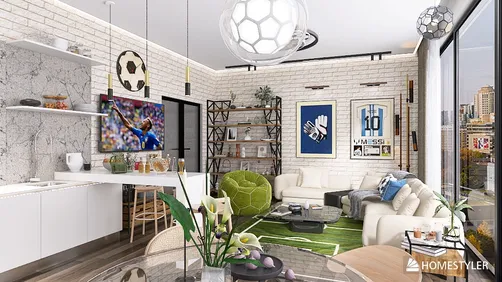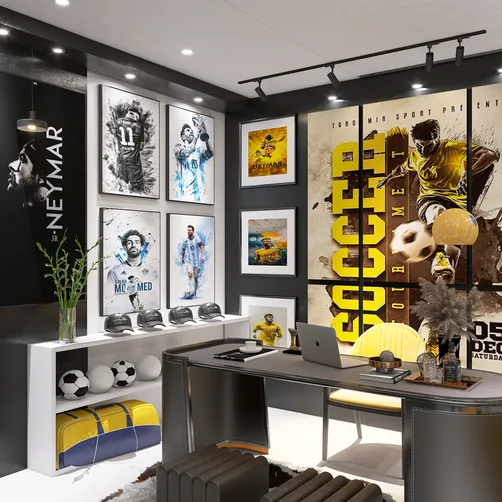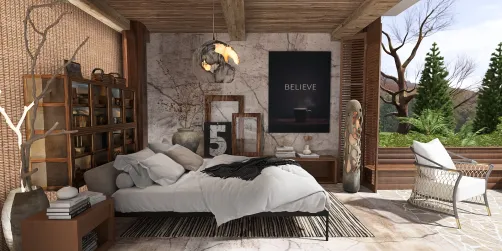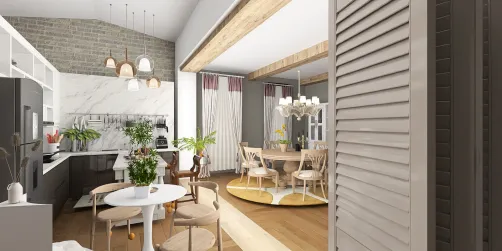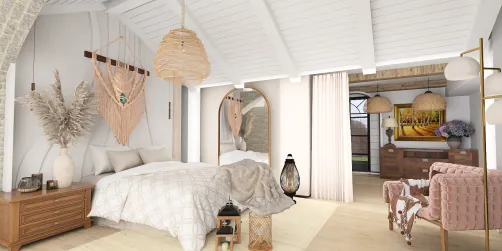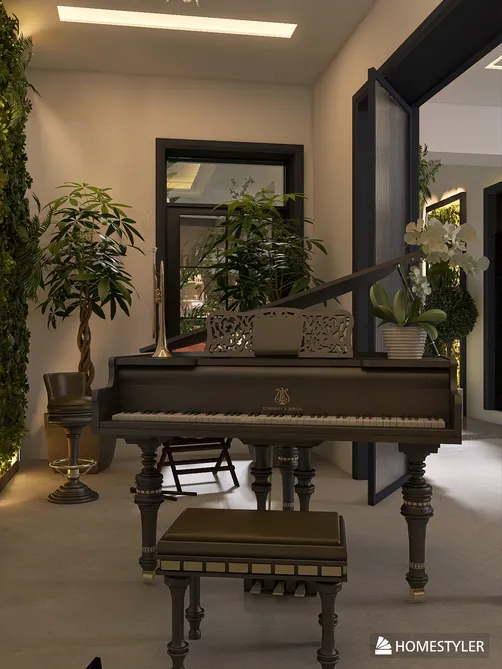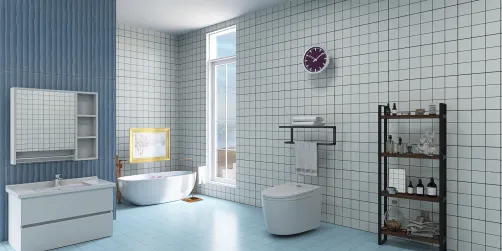
As the future approaches, my clients are navigating today's busy routines, with work, wellness, and privacy demands often conflicting. Recent surveys from AIA indicate that homeowners are increasingly valuing spaces that embrace flexibility and technology, and contemporary house design blueprints are where these conflicting needs find balance. I view the home as an interactive platform: its rooms serve as modular units, movement becomes integrated logic, and the possibilities for living in the next five years can be discerned from its layout. Tools for spatial reasoning are essential in this process.
Split-Level Gallery Core
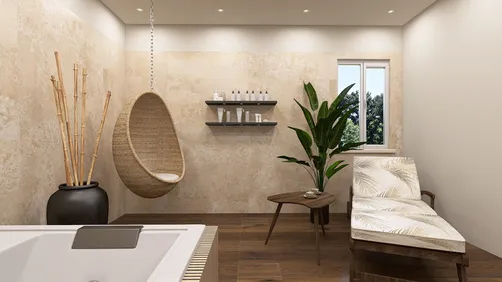
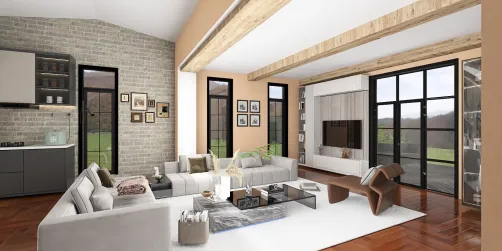
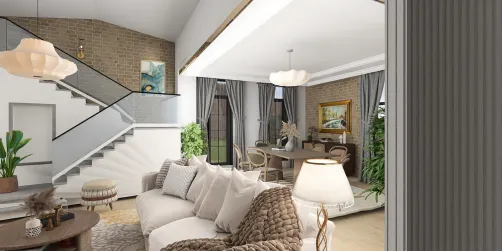
Design Approach: The design incorporates a double-height atrium, which acts as both a thermal and social heart; today's families require environments that support hybrid work, artistic expression, and social events while maintaining acoustic privacy.
Flow: The traffic pattern moves from the entryway to a cloak node, into the atrium, followed by a side-loaded kitchen leading to the terrace; a vertical staircase operates like a command center connecting the studio and bedrooms.
Sightlines: The design offers layered views from the atrium to the terrace and then up to the sky; semi-opaque panels along the periphery reduce noise, akin to user interface dimming effects.
Storage Solutions: Ample under-stair drawers, integrated wall panels, and a garage mezzanine ensure storage is conveniently positioned near where it’s actually needed, minimizing retrieval time.
Furniture Arrangement: The space accommodates a slim sectional, niches designed for 30" deep work, and a dining setup for six with 36" clearance; everything aligns with the principles of adaptive living.
Conclusion: This central area operates like a motherboard—modular, efficient, and prepared for evolving technologies.
save pinOpen in 3D Planner Processing...
Linear Smart Spine
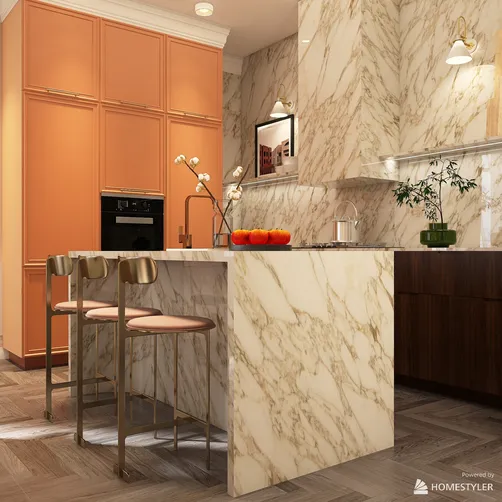
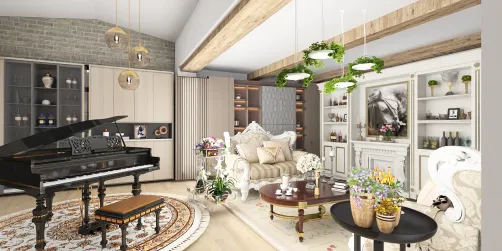
Design Approach: A continuous service wall integrating kitchen, laundry, and utility areas streamlines systems, promoting peaceful spaces that can adapt over time.
Flow: The layout guides you from the garage through a mudroom into the kitchen spine, then into the living area, followed by a pocket office, finally reaching the primary suite; this predictability functions like a well-scripted command line.
Sightlines: A long, axial view frames a garden; side windows serve as additional information layers, reducing visual clutter.
Storage Solutions: Pantry columns measuring 24" deep, along with utility chases and concealed bench areas, strategically place storage at critical points to minimize bottlenecks.
Furniture Arrangement: The space is adaptable, featuring a low-profile media console, a 9-10' dining table, and modular lounges with 18" wide pathways; precision in design ensures effortless future upgrades.
Conclusion: The spine is designed to sustain daily routines, transforming maintenance into seamless background operations.
save pinOpen in 3D Planner Processing...
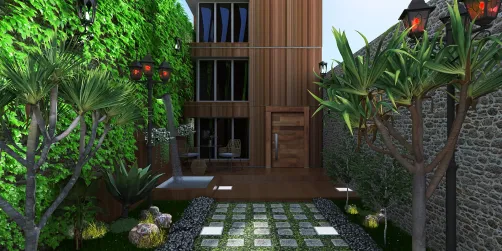
Courtyard Matrix
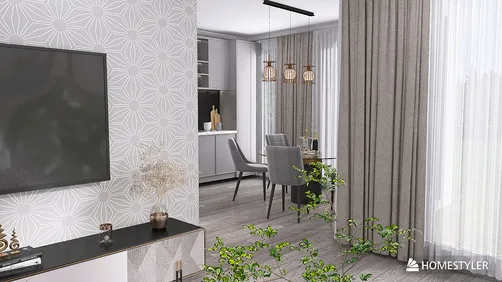
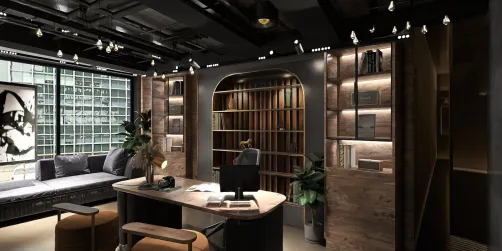
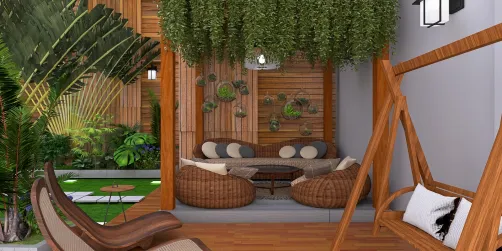
Design Approach: The design organizes rooms around a sheltered courtyard; resilience against climate impacts and mental wellness are enhanced with biophilic elements allowing for controlled exposure to the outdoors.
Flow: The perimeter loop connects living areas to the courtyard, then to the kitchen, a guest suite, and finally a studio; this looping design functions as a feedback cycle for both day and night living.
Sightlines: A low horizon showcases lush foliage while high clerestory windows open to the sky; views are tiered similarly to user interface hierarchies, providing primary calm and secondary detail.
Storage Solutions: Millwork along the perimeter, hidden garden sheds, and lockers for shoes and equipment ensure weight distribution across the loop.
Furniture Arrangement: Outdoor-rated furniture seamlessly integrates with indoor spaces; maintaining 30-36" clearances keeps layouts airy and agile.
Conclusion: The courtyard serves as a living barrier, moderating the pace of life and imparting a rhythmic flow to the overall design.
save pinOpen in 3D Planner Processing...
Final Insights
Contemporary house design blueprints prioritize coherence over mere spectacle—streamlined flows resemble programming code, sightlines that emphasize important information, and storage solutions function as undemanding caches. In these designs, smart home configurations and adaptable zoning emerge as pivotal elements guiding families through work transitions and climate fluctuations. From my perspective, the homes of tomorrow will not necessarily be larger, but rather more purposeful, and I consistently observe how minor spatial adjustments can significantly transform everyday living, especially with tools like Homestyler that help visualize such changes.

Homestyler is your go-to online home design platform, perfect for turning your creative ideas into stunning realities. With an easy-to-use design tool, amazing 3D renderings, diverse design projects, and helpful video tutorials, you’ll find everything you need to transform any space effortlessly.