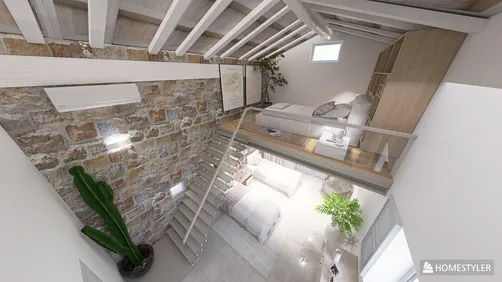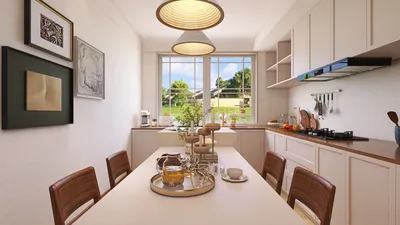
Compact wood stoves are key to transforming a small home from a seasonal shelter into a cozy year-round living space. Beyond merely offering the charm of a flickering flame, the ideal stove provides consistent radiant heat, ensuring dry air that combats condensation, while serving as a centerpiece for a compact floor plan. Sizing is crucial: contemporary small wood stoves typically provide between 3,000 and 20,000 BTU, sufficiently heating well-insulated tiny houses ranging from 120 to 300 sq ft without risk of overheating when appropriately sized. Consider incorporating tools like Homestyler to optimize space planning.
Achieving thermal comfort in a tiny home is a precise science. According to the WELL Building Standard, maintaining temperature and humidity within a narrow comfort range is essential for both cognitive function and overall wellbeing. The Thermal Comfort feature references ASHRAE and ISO standards that equate stable temperature and humidity with health benefits (refer to WELL v2 Thermal Comfort guidance at wellcertified.com). Additionally, lighting and behavior play pivotal roles in temperature perception; research from Gensler has consistently shown that the ability to control such environmental factors correlates strongly with perceived performance. This highlights the advantage of using stoves equipped with precise air and burn control, particularly in compact spaces, such as those designed with Homestyler.
Optimal Heat Sizing for a Compact Space
Select the heating output based on your actual living space rather than on an idealized log cabin setting. A well-insulated and air-sealed 200 sq ft tiny home (featuring R-13 walls and R-21 for floors and roofs with double-glazed windows) typically requires about 4,000 to 8,000 BTU/hr during mild winters, and can necessitate about 12,000 BTU/hr during cold spells. Oversizing a stove can lead to uncomfortable temperature fluctuations and excess creosote production due to incomplete burns. Look for a stove that operates efficiently at a low output, ideally in the range of 3,000 to 5,000 BTU for transitional seasons, with maximum outputs around 10,000 to 12,000 BTU for the heart of winter.
Clearances, Hearth Requirements, and Safety Measures
While compact stoves excel in small spaces, maintaining proper clearances and protective shielding is critical for effective installation. Many small stoves need a clearance of 12 to 36 inches from combustible materials, but using tested heat shields with ventilated air gaps can reduce this by 50 to 66%, thus saving valuable space. A noncombustible hearth pad must extend as specified in the stove manual—often 8 to 16 inches at the front and 6 to 8 inches along the sides and back—to contain any embers. In layouts under 200 sq ft, I recommend designing a corner area measuring 40 to 48 inches that accommodates the stove, shield, wood storage, and ash disposal, potentially visualized using Homestyler.
Ventilation, Flue Configuration, and Airflow
An effective draft is crucial for clean combustion. Using a straight flue (3 to 4 inches for micro-stoves; 5 to 6 inches for traditional small units) that offers at least 10 to 12 feet of vertical rise ensures reliable draft while minimizing instances of back-puffing. Each bend in the flue system diminishes performance; therefore, opt for two 45-degree angles instead of a single 90-degree turn when adjustments are necessary. In ultra-tight tiny homes, incorporating an outdoor air kit allows the stove to draw combustion air from outside, maintaining indoor air balance and reducing cold air infiltration.
Material Selection and Heat Management
The choice of materials for the stove body can influence heat distribution. Steel stoves heat up rapidly but cool down quickly, making them suitable for short, responsive burns. In contrast, cast iron retains heat longer, providing consistent warmth due to its mass. Integrating soapstone or firebrick into the stove design adds thermal buffering, which helps soften temperature peaks and prolongs warmth after the fire has been extinguished—a valuable feature for colder nights when you’d prefer not to reload the stove. For the surround, cement board finished with porcelain tile or thin soapstone is preferred, along with mineral wool for additional fire resistance.
Humidity Control, Indoor Air Quality, and Tiny Home Realities
Small homes can quickly accumulate moisture from activities like cooking and exhaling. While a well-ventilated wood stove aids in drying indoor air, it’s advisable to complement it with a serene through-wall ERV or a timed exhaust fan to maintain relative humidity between 30 and 50%—parameters that align with WELL v2 recommendations for comfort and reduced microbial growth. Additionally, install a low-level carbon monoxide detector and a photoelectric smoke alarm, conducting monthly tests. Store kindling in a dry, ventilated area to prevent moisture and mold accumulation.
Stove Placement, Heat Circulation, and Layout Considerations
Heat stratifies quickly in a compact space. Position the stove in the main living area, ensuring it’s clear of high-traffic zones yet central to circulation. Utilize a quiet, low-draw ceiling fan set to reverse during winter months to help distribute warmth from lofts downwards. In longer layouts, place the stove slightly ahead of center to direct heat toward the sleeping quarters. When designing your space, use a room layout tool to visualize clearances and walking paths, as well as heat distribution zones before constructing—this process could be easily facilitated by using tools like Homestyler.
Fuel Considerations: Wood Dimensions, Species, and Storage Solutions
For efficient burning, small fireboxes prefer shorter splits, ideally in the range of 8 to 10 inches long and 2 to 3 inches wide. Dense hardwoods such as oak, maple, and beech will provide longer burns, while softer woods like fir and pine ignite quickly, making them suitable as kindling. It’s crucial to burn wood that has been seasoned to a moisture content of approximately 15 to 20%; investing in a $20 to $30 moisture meter can help prevent issues and creosote buildup. Ensure you have both an outdoor covered storage area and an indoor rack accommodating a day’s worth of fuel to keep insects outside and maintain cleanliness inside.
Visibility of Flame, Psychological Benefits, and Lighting Compatibility
The ability to view flames offers more than just aesthetic pleasure. Low-iron ceramic glass paired with air-wash systems helps minimize soot buildup while providing a subtle circadian cue during prolonged winter evenings. Warmer color temperatures (ranging from 2,200 to 2,700K) in adjacent task lighting complement the natural light from the fire and reduce glare. According to studies on color psychology, warm hues tend to create an inviting atmosphere when harmonized with neutral finishes; they can be offset with cooler daylight tones in morning hours to enhance energy levels.
Noise Considerations, Acoustic Design, and Mechanical Integration
Wood stoves often operate quietly, whereas any attached fans may not. If you choose to add a small eco-fan or booster, ensure it operates below 35 dBA at one meter to avoid noise fatigue in small spaces. Positioning any mini-split or ERV intake should be done with care to prevent airflow interference with the stove; maintain a minimum distance of 3 to 4 feet laterally and avoid any direct airflow on the firebox to prevent uneven burning and ash circulation.
Stove Operation, Maintenance, and Seasonal Guidelines
For optimal performance, utilize hot, clean burns. Initiate with top-down fires, fully opening air controls until the flue reaches its temperature, then adjust for a stable secondary burn. Ensure that ash is removed before it accumulates to grate level, leaving a thin insulating layer behind. It's advisable to sweep the chimney at least once each heating season, or more frequently if burning softwoods. Conduct annual inspections of door gaskets; a simple test using a dollar bill can reveal any leaks affecting efficiency and draft.
Harmonizing Design: Aesthetic Appeal and Safety
In spaces measuring 120 to 300 sq ft, a wood stove can serve as a sculptural element. Reflecting the geometry of the stove in the hearth tile arrangement and coordinating metal finishes with cabinet pulls and ladder hardware can create a cohesive design. Ensure that flammable materials, such as curtains, throws, and storage baskets, stay clear from the stove's radiant heat. Introducing discreet edge guards at hearth corners can enhance safety in confined areas. For mobile homes, consider using locking casters on adjacent storage to maintain adaptability in layout while safeguarding clearances.
- Ideal for off-grid situations or areas with limited electrical supply where reliability is crucial.
- Suited to cold, dry climates where dehumidifying heat is advantageous.
- Designed for individuals comfortable with daily fire maintenance and seasonal upkeep.
- Appropriately designed spaces that emphasize tactile, radiant comfort over conventional always-on HVAC systems.
Frequently Asked Questions
Q1: What BTU output do I require for a 200 sq ft tiny home?
A1: With effective insulation and air sealing, aim for a peak output of 6,000 to 10,000 BTU/hr, along with a manageable lower output of 3,000 to 5,000 BTU for transitional seasons. This setup prevents overheating while also accommodating sudden cold snaps.
Q2: Is it feasible to vent a tiny stove through a wall?
A2: Some models allow for this using a rear-exit and insulated chimney extension, but a straight roof penetration generally offers better draft quality, reduces creosote buildup, and simplifies maintenance. Minimizing bends in the flue is vital; every angle compromises draft efficiency.
Q3: Is outside combustion air necessary in a tiny home?
A3: It is highly recommended. Tightly sealed spaces can hinder stove performance and negatively impact other ventilation systems. An outside air kit helps in stabilizing pressure, enhancing burn quality, and mitigating cold air intrusion.
Q4: How do I manage indoor air quality and moisture levels?
A4: Ensure clean, hot burns and install balanced ventilation systems (like ERVs or timed exhaust fans). Target a relative humidity level of 30-50%. Incorporate CO and smoke detectors, testing them regularly. Using dry wood is critical to reduce particulate emissions and creosote buildup.
Q5: What strategies can I use to protect walls and minimize clearances?
A5: Employ tested heat shields with a 1-inch ventilated air gap alongside noncombustible spacers. Many stove models permit reduced clearances, sometimes halving standards, when installed according to their manuals. Always verify with local code officials for safety compliance.
Q6: Will a loft area become excessively warm?
A6: If adequate measures aren’t taken, the answer is yes. Consider adding a low-speed, reversible ceiling fan to help circulate air, and a small transfer grille to connect with the lower level. Ensure that the stove placement directs radiant heat away from sleeping areas.
Q7: What fuel size is optimal for small stoves?
A7: Short splits measuring 8 to 10 inches long and 2 to 3 inches thick are ideal for micro fireboxes, offering responsive thermal control. Aim for wood moisture levels around 15 to 20%—monitoring with a moisture meter ensures clean burns and steady heating.
Q8: Can I use a tiny stove with a mini-split system?
A8: Yes. Employ the mini-split for transitional heating and set-back temperatures, while relying on the stove during extreme cold or power outages. Ensure airflow remains distinct to avoid the mini-split directing air onto the stove.
Q9: Are catalytic or non-catalytic stoves better suited for small homes?
A9: Non-catalytic stoves with strong secondary combustion are typically more favorable for tiny spaces due to their simplicity and quick responses. While catalytic units excel at prolonged low burns, they demand careful operation and upkeep.
Q10: How frequently should I clean the chimney?
A10: At least once each heating season; more frequent cleanings are advisable if burning softwoods or using low fire settings. Check monthly during the first season to assess your typical creosote buildup and adjust your burning practices accordingly.
Q11: What are the safest finishes for areas around the stove?
A11: Porcelain or stone tiles set over cement board with mineral wool backing provide excellent heat resistance. Steer clear of plastic-laminated counters or vinyl wall coverings within the heat-exposed zone.
Q12: How do I devise a layout that maintains clear pathways?
A12: Allocate a corner or wall space of 40 to 48 inches for the stove, alongside a shield and wood storage area. Design walkways with a minimum width of 24 inches, confirming clearances using an interior layout planner; this helps simulate door swings and ladder locations to prevent conflicts. For an effective planning process, you can utilize a layout simulation tool like Homestyler.

Homestyler is your go-to online home design platform! With an easy-to-use design tool, stunning 3D renderings, an array of design projects, and helpful DIY video tutorials, you can effortlessly create the perfect space for your home. Unleash your creativity with Homestyler today!









![Design [4]](https://hs-designs.homestyler.com/production/design/images/07c2de3a-88ec-4be8-8910-ff255b795bc2/1731419398293/7841697.jpg?x-oss-process=image/resize,w_502,m_mfit/format,webp)