I am drawn to compact sofas that optimize circulation, provide genuine comfort, and create a visually open layout in small spaces. In limited living rooms, a sofa is more than just a place to sit—it influences foot traffic, sets the overall aesthetic, and determines storage options. From my extensive experience designing spaces under 180–220 sq ft, I've identified three essential traits of successful sofas: a slim arm design, elevated legs for a sense of space, and modular components that adapt for additional guests, making platforms like Homestyler invaluable for planning.
When selecting furniture, scale and ergonomics are more vital than brand names. Research from Herman Miller indicates that varying postures can enhance comfort and concentration over extended periods; this translates into seat depths that accommodate both engaging conversation and relaxing lounging. For households with varying heights, a seat height of 19–20 inches and a depth of 21–23 inches fits most preferences, aligning with ergonomic standards. Moreover, the lighting plays a significant role in how space is perceived: the IES suggests around 10–20 footcandles (100–200 lux) in living rooms to maintain true upholstery colors while minimizing glare, as per IES recommendations.
Selecting the Ideal Sofa Size
Begin by considering circulation space. I recommend ensuring 30–36 inches of clear pathways around the sofa and 14–18 inches between the sofa and coffee table. In rooms shorter than 9 feet, a sofa measuring 68–76 inches typically allows for comfortable navigation, while studio apartments may accommodate a maximum length of 60–66 inches. Keeping the sofa 3–4 inches off the wall prevents a cramped appearance and provides necessary clearance for draping. For experimenting with layouts, using an interior layout planner, such as Homestyler, can help confirm traffic flow and sightlines, ultimately preventing costly mistakes.
Optimal Sofa Options for Compact Living Spaces
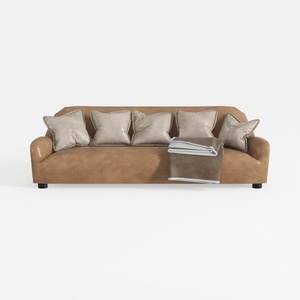
These sofa styles comfortably accommodate two to three people without dominating a small living area. Look for pieces with arms narrower than 4 inches, a seat height around 18–19 inches, and legs at least 5–6 inches high to create an illusion of space. A tight-back design deters slouching and conserves depth.
Ideal for narrow spaces or when sharing with a reading chair. Pair it with a small side table (12–16 inches in diameter) and a low-profile floor lamp to maintain vertical clarity in the room.
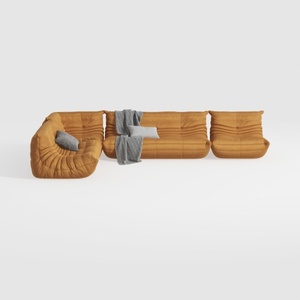
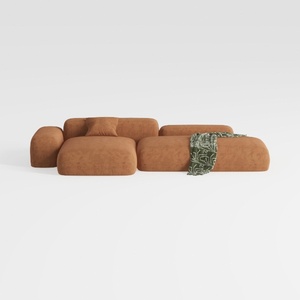
A left or right chaise two-piece setup can be more effective than a traditional sofa when additional seating is required without increasing width. Aim for a total length under 84 inches, with chaise depth capping at 60–65 inches. Opt for reversible chaises to adapt to changing needs, particularly beneficial in rental situations.
Armless designs go narrower by 6–10 inches compared to models with padded arms. If you prefer armrests, choose slim track arms along with a bench cushion to extend the seating area.
For studio apartments or guest use, prioritize a tri-fold mechanism with a mattress of at least 4–5 inches and supportive webbing. Keep the total depth compact (32–36 inches when closed) and allow for a clear 90-inch area in front when opened.
Visual Strategies to Make Small Rooms Appear Larger
I favor the 2/3 rule: the sofa should occupy about two-thirds of the wall that it faces. For an 11-foot wall, a sofa that is 7–7.5 feet long feels appropriate while still leaving space for side tables and sconces. Exposed legs enhance negative space underneath, while low backs (30–33 inches in total height) avoid obstructing window lines. Color choices matter too, as research from Verywell Mind suggests that cooler, lighter shades recede, while rich warm colors come forward—utilizing neutral upholstery can visually enlarge a room, complemented by vibrant accent pillows for depth, according to color psychology principles.
Achieving Comfort Without Bulk Through Ergonomics
Opting for compact does not equate to uncomfortable. Seek medium-density cushions (approximately 1.8–2.2 lb/ft³ foam with a light fiber wrap) combined with sinuous springs for a balanced feel. A back pitch of 102–106° encourages conversation-friendly positions. When multiple users share the space, consider varying seat depths with components such as a chaise, ottoman, or accent chair. Steelcase's research highlights that varying postures support comfort and decrease fatigue, applicable in both living environments and workplace settings.
Durable Materials Suitable for Tight Spaces
In smaller rooms, fabric durability is crucial. I prefer performance weaves rated for 30,000+ double rubs (Wyzenbeek) and removable cushion covers for easy maintenance. Matte finishes help reduce glare in evening light. If proximity to an entry or balcony is a concern, consider solution-dyed acrylics or polyester blends that resist fading. Using recycled materials and FSC-certified frames contribute to sustainability without compromising aesthetics.
The Significance of Color, Light, and Acoustic Comfort
Well-balanced lighting is essential for maintaining true sofa colors. Incorporate a warm base light (2700–3000K) alongside a 3500K task lamp for reading. Avoid glossy leather near bright windows to prevent reflections that may clutter the visual space. For improved acoustics, a fabric sofa paired with a textured rug and soft drapery will reduce noise reverberation, making conversations clearer during gatherings.
Maximizing Storage and Multi-functionality Without Clutter
If the footprint of the sofa is fixed, try to incorporate storage elements underneath and around it. It's advisable to have a 6-inch leg clearance for low bins and consider using a lift-top coffee table and a slim console behind the floating sofa. A nesting ottoman can serve dual purposes: additional seating and storage for blankets. If sightlines feel cluttered, centralize storage on one wall while keeping the rest of the space open for easier movement.
Strategic Layouts for Compact Living Rooms
Positioning the sofa 8–12 inches away from the wall allows space for a slim console and enhances lamp placement. This arrangement can also create an illusion of depth. Experiment with different configurations using an interior layout planner like Homestyler before finalizing any arrangements.
A compact sectional placed in the darkest corner opens up the center of the room, allowing for a more transparent coffee table and a clear walking path. Ensure the open side faces the main entrance for optimal flow.
In boxy areas, angle the sofa by 10–15 degrees to align it with focal points, such as a fireplace or window view. Use a triangular side table to fill any awkward gaps behind the back corner.
My Recommended Features for a Winning Sofa
Styling Tips to Complement a Compact Sofa
Maintain a delicate coffee table measuring 40–44 inches long in a small area, or consider two nested tables of 18–20 inches. Wall-mounted sconces can reclaim floor space, and hang artwork lower (56–58 inches to center) to reduce any visual heaviness at the top. A correctly-sized rug that fits beneath the front legs of the sofa (minimum 5x8 for tighter rooms) anchors the seating area while keeping the visual space open.
Frequently Asked Questions
Typically, a 68–76 inch apartment sofa strikes a good balance between seating and circulation. Aim to keep pathways clear at 30–36 inches and allow 14–18 inches to the coffee table.
Not necessarily. A two-piece chaise sectional under 84 inches with a reversible chaise can increase seating capacity without additional width. Keep chaise depth around 60–65 inches.
For varying users, maintaining a seat depth of 21–23 inches with an 18–19 inch height serves well for both upright conversations and casual lounging.
Lighter, cooler upholstery recedes visually, making rooms feel more expansive, while rich warm tones come forward. Opt for bolder colors in pillows or throws to add visual depth without encroaching on space.
Absolutely. Allowing 5–7 inches of floor space enhances the negative space, facilitates cleaning, and diminishes the overall visual mass—particularly beneficial in areas under 120 sq ft.
Aim for a total of 10–20 footcandles (100–200 lux) in lighting, beginning with a warm 2700–3000K as the base. Incorporate a 3500K task lamp for reading and avoid glossy surfaces that may induce glare.
Choose performance fabrics that withstand 30,000+ double rubs and feature stain-resistant finishes. Consider solution-dyed acrylics or polyester blends for fade resistance, while removable covers simplify cleaning tasks.
Look for features such as a bench cushion, a reversible chaise, and nesting ottomans. Ensure side tables are lightweight enough to rearrange. Validate traffic patterns using a quick layout simulation tool before making significant changes.
Consider an armless or slim-arm sofa measuring 60–68 inches, keeping total depth below 34 inches, and complementing it with a wall-mounted lamp and a slim console to maximize floor area utilization.
Yes—prioritize a closed depth of 32–36 inches, with a supportive 4–5 inch mattress, ensuring a 90 inch clearance when the bed unfolds. Tight-back designs remain visually lighter in contrast.

Homestyler is an amazing online home design platform perfect for anyone looking to transform their space. With its easy-to-use design tool, stunning 3D renderings, and a wealth of DIY video tutorials, you can effortlessly bring your design visions to life!








![Design [4]](https://hs-designs.homestyler.com/production/design/images/07c2de3a-88ec-4be8-8910-ff255b795bc2/1731419398293/7841697.jpg?x-oss-process=image/resize,w_502,m_mfit/format,webp)