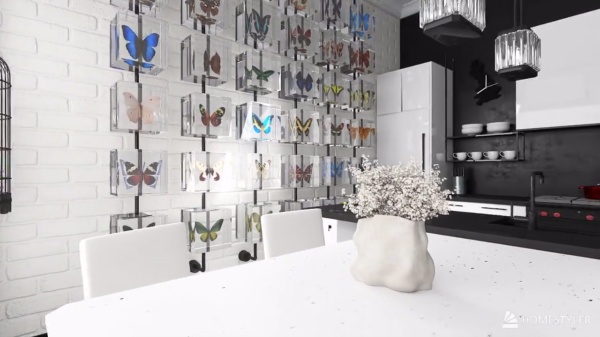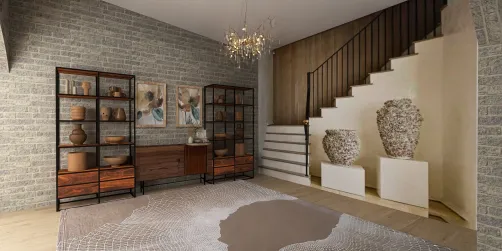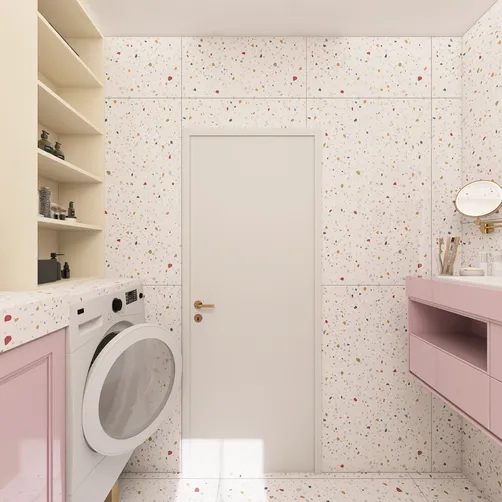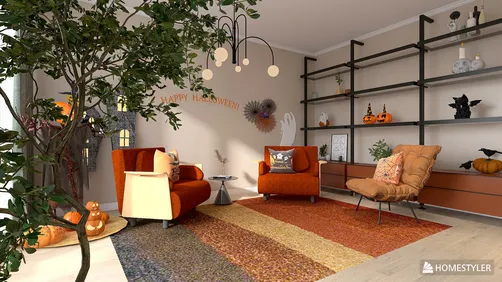
The upcoming lifestyle is characterized by compactness, connectivity, and climate consciousness. In Guntur, existing challenges revolve around heat management, inadequate cross-ventilation, and disjointed storage solutions. AIA data indicates a rising trend of smaller, smarter living spaces, with multi-unit flexibility gaining popularity among U.S. surveys, a sentiment reflected in Houzz user behaviors. I am exploring a two-building plan on the ground floor in Guntur, presenting a prototype of how families and small enterprises can seamlessly intertwine. The future is swiftly approaching, and I am witnessing these changes firsthand, alongside tools like Homestyler for spatial planning.
Courtyard-Linked Twins
Design Logic: Two rectangular structures enclose a shaded courtyard, transforming heat into fresh airflow and enhancing social interaction.
Flow: Entry → vestibule → courtyard hub → living zones → service edges; a streamlined path that returns to the garden for cooler surroundings.
Sightlines: Low, straight views through doors direct focus to the courtyard, which then leads to staggered private rooms, similar to user interface layers unfolding context gradually.
Storage: Perimeter wall units serve as an efficient cache; deep benches near the hub provide a buffer for everyday items, while vertical pantry towers organize long-term supplies.
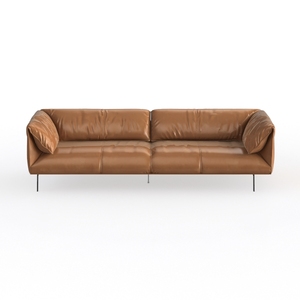
Furniture Fit: Compact sofas and 6-seat dining arrangements align precisely like strict APIs; circulation lanes of 900-1000 mm ensure unhindered movement.
Verdict: This configuration prepares for five years of dual family-business usage, with the courtyard acting as a center for climate control, social gatherings, and adaptable routines.
save pin
Offset Entry + Shared Services
Design Logic: Offset entrances create distinct identities while a central service core (including kitchen, utility, and wash areas) simplifies infrastructure for potential future enhancements.
Flow: Street → offset porch → living area → shared core → private rooms; a diverging path that converges at shared resources before branching off seamlessly.
Sightlines: Diagonal sightlines reduce glare, establishing a clear hierarchy: public, semi-public, and private zones.
Storage: Core-based cabinets function as accessible buffers; attic hatches and plinth drawers discreetly store infrequent-use items while minimizing visual clutter.
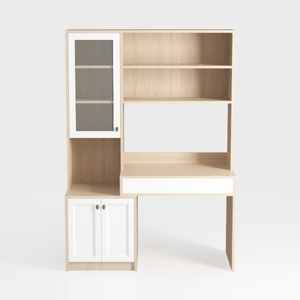
Furniture Fit: Modular tables, stackable chairs, and built-in window seats keep the layout efficient, allowing for easy transformation between work and dining setups.
Verdict: With centralized utilities, this plan is scalable—solar, greywater systems, and electric vehicle charging can be incorporated into the existing framework without hindering daily life flow.
save pin
Front Commerce, Rear Calm
Design Logic: The street-facing unit accommodates a micro-retail space; the back unit provides a buffer of domestic tranquility, aligning income generation with privacy.
Flow: Front: sidewalk → display → consultation → back storage; Rear: garden gate → living area → kitchen → bedrooms; two pathways sharing an unobtrusive service lane.
Sightlines: A transparent front bay functions like a UI splash screen; the rear glazing frames garden visuals, soothing the home environment.
Storage: Retail racks serve as quick storage solutions; rear wardrobe walls and under-stair bins keep household items organized and accessible.
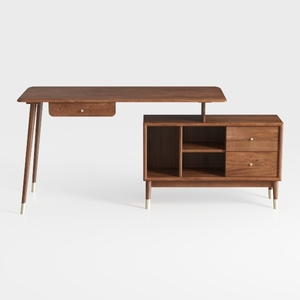
Furniture Fit: Narrow counters (600 mm), high stools, and foldable desks respect the limited space; the rear area features low sofas and 8-foot wardrobes for everyday convenience.
Verdict: This design anticipates a blend of home and business functions, effectively managing bandwidth—front units signal work, while family activities integrate smoothly in the rear.
save pin
Final Takeaway
A ground floor two-building plan in Guntur can serve as a dual-interface: balancing climate considerations, family dynamics, and micro-enterprise needs within a single framework. As temperatures rise and lifestyles evolve, this dual-building model becomes a practical solution for contemporary living—embracing shared utilities and adaptive space usage. In my observation, the most intelligent homes of the future won't necessarily be larger, but rather more intentional, and this is where tools like Homestyler come into play in defining such interfaces.
Discover the ease of home design with Homestyler! This user-friendly platform offers a powerful online design tool, stunning 3D renderings, inspiring design projects, and engaging video tutorials, making it perfect for anyone looking to create their dream space effortlessly.