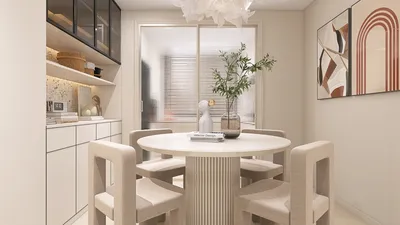
Having renovated numerous compact kitchens, I've learned that the budget can vary greatly based on the specific project scope and finishes chosen. For kitchens of 70 to 120 square feet, homeowners typically should prepare to invest between $18,000 and $45,000 for a complete makeover. However, for those aiming for upscale, designer-level enhancements, costs can escalate to between $45,000 and $75,000 in metropolitan areas. Research from Steelcase indicates that effective space planning and ergonomic design can significantly enhance daily productivity, making it crucial to avoid costly mistakes through careful preparation. The WELL v2 guidelines suggest having task lighting set at 300 to 500 lux while preparing food, a standard that can often inflate the initial fixture and electrical costs during the design phase.
Understanding the financial breakdown is essential. According to the NKBA's kitchen layout data, adhering to optimal work triangle distances—typically 12 to 26 feet—greatly impacts the placement of cabinets, appliances, and essential plumbing elements, each carrying its own cost implications. The Interaction Design Foundation stresses the importance of human factors in workflow, underscoring how ergonomic spaces and well-planned task sequences can help cut down on waste of both materials and labor. For a deeper dive into workplace productivity and movement patterns, I often reference Steelcase's research, which provides valuable insights that help tie budgets closely to practical functionality rather than mere speculation.
Cost Breakdown: Typical Line Items
In a small kitchen, every dimension requires careful consideration. Here’s how expenses usually accumulate during a renovation of a compact space:
- Cabinetry and millwork: Expect to allocate $6,000 to $20,000, influenced by choices such as stock versus semi-custom options, plywood versus particleboard, and the quality of hardware. Investing in better hinges and soft-close, full-extension slides enhances longevity but also raises costs.
- Countertops: These can range from $2,000 to $8,000. While quartz is highly favored for its resilience and ease of maintenance, butcher block serves as a budget-friendly option that requires more upkeep. Opting for natural stone can elevate aesthetics but may increase fabrication expenses.
- Appliances: Prices typically fall between $3,500 and $12,000. Choosing compact models (24–30 inches) with Energy Star certifications helps manage utility bills; however, selecting panel-ready or professional-style appliances can quickly push costs to the higher end.
- Flooring: Expenses can vary from $1,500 to $5,000. Common choices include engineered wood, luxury vinyl plank (LVP), and porcelain tile, keeping in mind that tile installation might incur higher labor costs due to the necessary substrate preparation.
- Lighting and electrical: Expect to spend between $1,200 and $4,000. Meeting the 300 to 500 lux requirement for under-cabinet task lighting, along with incorporating dimmable ambient layers and necessary GFCI outlets, adds to the overall cost.
- Plumbing: Costs can range from $1,200 to $3,500, involving sink relocations and lines for dishwashers and faucets. Whenever possible, keeping the sink's original position can save on rerouting expenses.
- Backsplash and walls: The range for tiling can lie between $800 and $3,500, depending on the types of tiles and any specialty designs chosen.
- Paint and finishes: Budget about $600 to $1,800 for low-VOC paints and retouching.
- Design, permitting, and contingencies: Typically, this accounts for 15% to 25% of the overall budget. It’s prudent to set aside 10% to 15% for unexpected challenges, especially when dealing with older properties.
Scope Levels: Refresh vs. Remodel
- Cosmetic Refresh ($8,000–$22,000): This includes painting, updating hardware, swapping out lighting, adding a new faucet, and possibly upgrading one appliance. It requires minimal demolition and can be completed in a short timeframe.
- Mid-Range Remodel ($22,000–$45,000): This involves replacing cabinets, installing new countertops and backsplashes, upgrading lighting and electrical work, and selecting a cohesive set of appliances. Some minor modifications to the layout may occur without a significant plumbing overhaul.
- Premium Compact Renovation ($45,000–$75,000): This level often features semi-custom or fully custom cabinetry, stone or quartzite countertops, high-quality appliances, integrated lighting settings, and polished finishes, possibly including structural or mechanical adjustments.
Layout Decisions That Impact Cost
The layout is a crucial yet often overlooked factor in budget management. For instance, a galley kitchen design tends to streamline trades and can therefore reduce costs, while an L-shaped design enhances corner functionality. Conversely, U-shaped layouts may offer more storage solutions but could increase the need for cabinetry and counter space. If you are exploring alternative layouts, utilizing a room layout tool like Homestyler can assist you in visualizing clearances, appliance arrangements, and workflow pathways before finalizing construction plans.
Lighting, Ergonomics, and Daily Ease
Compact kitchens benefit greatly from a multi-layered lighting approach: ambient (general lighting from ceiling fixtures), task (under-cabinet lights), and accent (lights on shelves or in toe-kick areas). Following WELL v2’s advising on keeping food prep zones at 300 to 500 lux not only ensures safety but creates a pleasant working environment. Moreover, using warmer ambient lighting around 2700 to 3000K fosters calmness in the evening. Ergonomically, ensure that items for frequent use are situated within reaching distance (between hip and shoulder height) with a standard counter height of 36 inches, and maintain at least 42-inch aisle widths in kitchens meant for one cook. These small but significant details minimize fatigue and enhance cooking flow.
Material Choices: Durability vs. Budget
In small kitchens, materials undergo significant wear and require regular cleaning. My recommendation leans toward sturdy, easy-care surfaces, such as quartz or solid-surface countertops; porcelain tile or high-quality LVP flooring; and semi-gloss finishes for ease of maintenance. Choosing sustainable options—like FSC-certified plywood cabinetry, low-VOC finishes, and LED lighting—may come with a slight price increase but ultimately yield benefits in longevity and indoor air quality.
Storage Strategy in Tight Footprints
Optimize vertical space by using full-height pantry cabinets, pull-out trays, and adjustable shelving. Opt for corner storage solutions, like lazy Susans or pull-outs, only when they add genuine utility. In daily access situations, drawer bases generally outperform doors. If counter space is limited, consider wall-mounted cabinets or built-ins with proper ventilation for microwave placement.
Acoustics and Quiet Appliances
In compact environments, sound can travel easily. Look for dishwashers that operate at or below 44 dBA, and opt for range hoods with adjustable speeds and effective sound capture at lower noise levels. Using soft-close hardware can help lessen noise impact, while underlayment beneath hard flooring can reduce sound transmission in multi-family units.
Color Psychology in Compact Kitchens
Utilizing lighter, low-chroma colors can enhance the perception of space and reflect light effectively. Bright, saturated hues can work if applied carefully—like on a single appliance, an accent wall, or barstools. Cooler neutral tones evoke cleanliness, while warmer whites provide a more inviting feel. If your kitchen is adjacent to living spaces, maintaining a consistent color palette helps avoid visual clutter.
Budget Savers I Trust
- Retain existing plumbing locations; moving sinks or gas lines can dramatically increase your budget.
- Opt for semi-custom cabinet options with enhanced hardware instead of full custom to provide better value.
- Choose a standard edge profile for countertops, as intricate detailing will increase fabrication time and costs.
- For appliance integration, consider field-applied panels rather than factory-made panel-ready models if you need to prioritize your budget.
- Focus on quality lighting and efficient storage solutions, as they contribute significantly to daily satisfaction, outweighing decorative expenses.
Timeline and Hidden Variables
Anticipate a completion timeline of 4 to 10 weeks, contingent on project complexity, lead times, and necessary permits. Older properties may present unexpected challenges like uneven foundation, outdated electrical systems, or insufficient ventilation. It’s wise to factor in contingencies and time for inspections. Maintaining clear communication among designers, general contractors, and tradespeople ensures a smooth workflow and minimizes change orders.
When to Spend More
Allocate funds where quality and performance are paramount—the hardware for cabinets, lighting designs, and countertops should be prioritized. Additionally, investing in a quiet, energy-efficient dishwasher and an effective range hood that promotes airflow is wise. If you cook regularly, prioritize task lighting and ergonomically designed drawer bases, while those who entertain might consider a small peninsula for food preparation and seating.
FAQ
For a kitchen between 70 and 120 sq ft, budget approximately $18,000 to $45,000 for a comprehensive mid-range remodel, with premium options potentially reaching up to $75,000 in areas with higher costs.
Cabinetry typically constitutes 30% to 45% of the overall budget for small kitchens, particularly if using advanced plywood boxes and high-quality hardware.
Consider moving only if it improves overall efficiency. Keeping plumbing and gas in their current positions can save significant costs. If the workflow is suboptimal, even a minor adjustment, such as relocating the dishwasher, can yield substantial day-to-day benefits.
Strive for 300 to 500 lux in preparation areas and maintain warm ambient lighting at 2700 to 3000K. Layering task, ambient, and accent lights, along with dimming features wherever feasible, enhances functionality.
Opt for durable materials such as quartz countertops, porcelain tile or high-quality LVP flooring, and semi-gloss paint. For cabinetry, choose resilient finishes; melamine interiors are cost-effective and easy to clean.
Implement full-height pantry cabinets, drawer units, and pull-out trays to maximize efficiency. Only use corner solutions where they provide enhanced access; otherwise, aim for simplicity.
Absolutely. Look for appliances, particularly dishwashers, around 44 dBA and variable-speed hoods. In tight kitchens, acoustics can significantly affect overall enjoyment during cooking and social interactions.
It's recommended to set aside 10% to 15% for unexpected issues, plus another 5% to 10% for potential design enhancements or project expansions.
Most compact kitchen renovations typically finish within 4 to 10 weeks, influenced by cabinet fabrication timelines, permitting needs, and coordination of various trades.
Not necessarily. Semi-custom lines with upgraded hardware and intelligent internal organization often deliver impressive value and fit within most compact kitchen designs.
Incorporating lighter, low-chroma shades can visually enlarge a space. Keep bold colors limited to small accents to avoid overwhelming the visual sense.
Definitely: adjust shelf heights to reachable areas, utilize drawer bases for heavier items, install under-cabinet lamps, and ensure a minimum 42" clearance between aisles.
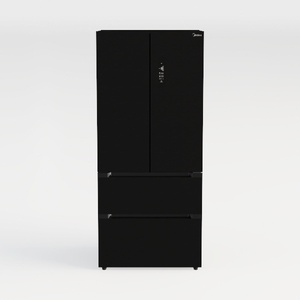
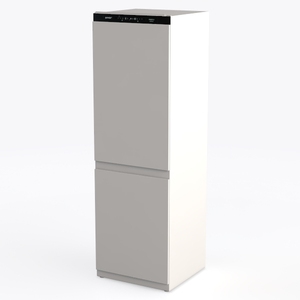
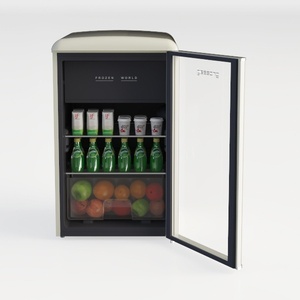
Looking to transform your home design dreams into reality? Homestyler offers a user-friendly online design tool paired with stunning 3D renderings and a vast array of design projects. Plus, with helpful DIY video tutorials, it’s easy to get inspired and start creating—no experience needed!