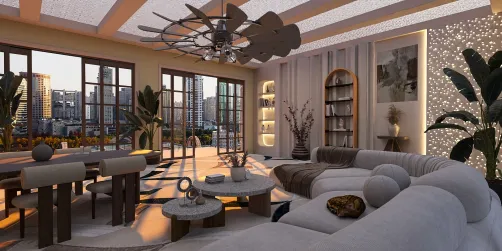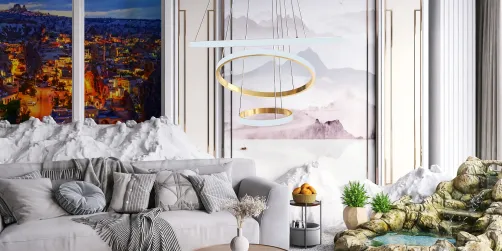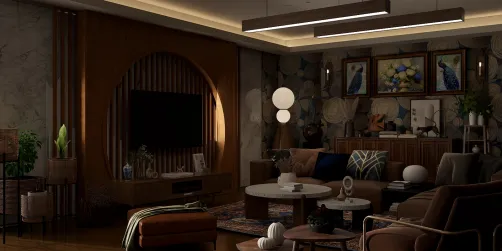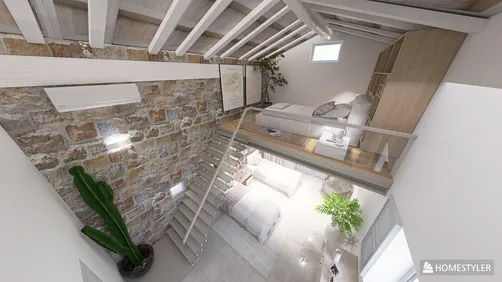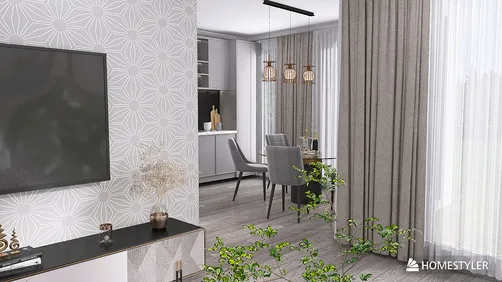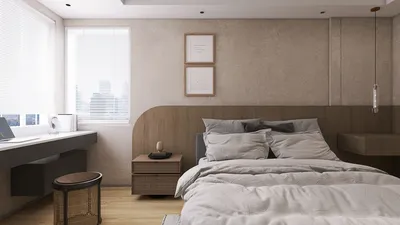
I have a fondness for compact Japanese homes due to their serene efficiency—small footprints that feel expansive, materials that gracefully weather time, and layouts that align with our daily routines. In areas where space is limited, clarity is paramount: hallways transform into multifunctional paths, furniture serves multiple purposes, and natural light is treated as a cherished asset. The integration of tools like Homestyler can assist in visualizing these elements seamlessly.
In these tight living quarters, comfort hinges on specific metrics. The WELL v2 framework emphasizes that access to daylight and managing glare play crucial roles in occupant satisfaction; appropriate light levels can diminish visual strain and elevate mood. Steelcase research consistently shows that uncluttered, purposeful surroundings enhance focus and well-being, a principle applicable in both workspaces and living areas. I utilize these standards to determine the sizes of windows, lighting approaches, and the widths of passageways, ensuring that smaller spaces feel more generous and welcoming.
Data underpins even the tiniest decisions. The Illuminating Engineering Society (IES) suggests a target range of 300 to 500 lux for tasks such as cooking or reading, while lower light levels create a relaxing ambiance to reduce visual fatigue. Insights from Verywell Mind indicate that soft neutral hues and subtle greens can alleviate stress, whereas vivid reds may provoke but could overpower confined spaces. By basing color palettes and lighting levels on established evidence, I maintain tranquility in small homes instead of sterility.
Fundamental Concepts in Japanese Small-Space Design
My approach to designing compact Japanese-style spaces revolves around simplicity and flow. Using Shoji-inspired screens, I create soft boundaries; sliding doors help reclaim precious floor space, and tatami measurements (around 0.9 x 1.8 m per mat) inform proportions. Ideally, circulation areas should occupy about 20-25% of the total floor space—higher percentages may indicate inefficient layouts. Built-in pieces minimize visual clutter, while strategically placed openings frame views that foster a sense of depth.
Light, Shadow, and Visual Tranquility
Achieving a well-balanced lighting scheme is vital. I layer ambient light with focused task lighting—aiming for 300-500 lux in kitchens and work areas, and around 100-200 lux in living spaces—utilizing warm white LEDs (2700-3000K) for relaxation areas and brighter tones (3000-3500K) for activities requiring more clarity. Soft, indirect lighting helps alleviate harsh shadows near ceiling edges, creating an illusion of expanded space. To mitigate glare on reflective surfaces, I prefer using matte woods, textured washi-style papers, and microprismatic diffusers.
The Psychology of Color in Compact Spaces
Subdued color schemes lend an organized feel to small environments. Muted greens and warm grays provide a calming anchor, while materials like walnut or ash add gentle warmth without overwhelming the senses. Accent colors should be subdued yet purposeful—such as deep indigo near the entrance and soft clay tones in dining areas. Keeping color usage limited to three families within small spaces prevents visual chaos and cognitive overload.
Human-Centric Design: Proportions, Reach, and Comfort
Ensuring ergonomic clearances more fluid movement is essential. I aim for pathways to measure 800-900 mm for primary routes, 600 mm for secondary paths, and a 900 mm clearance in front of storage units. Accessibility features, such as handles and switches, should fall within a comfortable reach zone (approximately 900-1200 mm above the floor). Utilizing low seating enhances space perception in small tatami-style areas, with seat heights around 400-430 mm comfortable for most individuals. Clear interactions create a harmonious space, reducing minor frictions during movement.
Choosing Materials for Balance and Serenity
Compact living spaces benefit from materials that evoke tranquility. Light-hued woods (like ash and oak), polished stone, and woven grasscloth promote a sense of calmness. Textured finishes absorb sound, especially when the predominant materials are hard. For areas prone to moisture, I recommend slip-resistant tiles and coatings that have low VOC emissions. Maintaining a consistent grain pattern and joint spacing aids in establishing visual coherence, creating a feeling of order.
Managing Noise in Intimate Living Spaces
Hard, uniform surfaces can amplify sound; hence, smaller homes might feel noisier than intended. My design strategies incorporate soft rugs, upholstered seating, and fabric-lined storage solutions to reduce sound reflections. Installing felt edge seals on sliding doors and utilizing simple acoustic panels above dining areas can significantly dampen sound. In open-plan studios, ceiling baffles or slatted wood structures can mitigate reverberation without adding visual bulk.
Functional Layouts: Micro-Zones and Adaptability
Space efficiency is achieved by creating intentional micro-zones. For instance, a tatami living area can double as a guest room with a foldable futon. A dining bench can discreetly house seasonal storage. The entryway (genkan) can accommodate compact shoe storage alongside a ledge for keys. Employing a room layout tool, like Homestyler, aids in visualizing sliding door clearance and multifunctional furniture arrangement.
Efficient Kitchen and Bathroom Design
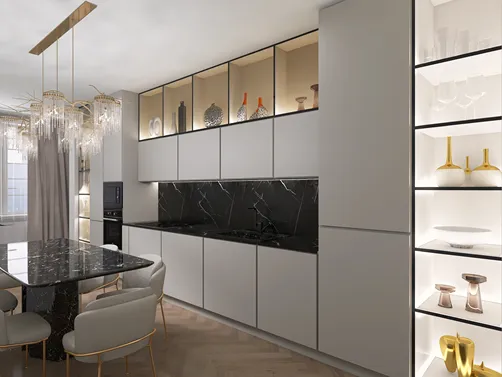
In small homes, galley kitchens excel with vertical storage and appropriately scaled appliances. Counters should be around 900 mm high, with a 1200 mm clearance on opposing sides when two people are cooking. Integrating pull-out pantries ensures a sleek design without compromising depth. In bathrooms, pocket doors save essential space; wall-mounted vanities enhance floor visibility, creating a sense of spaciousness. Strategically placed mirrored medicine cabinets can reflect light without contributing to glare.
Maximizing Outdoor Spaces
Small structures greatly benefit from views of nature and the incorporation of petite courtyards. A light well measuring 1.2-1.5 m in depth with planting can significantly enhance interior ambiance and airflow. If the layout permits, wrapping windows to frame a solitary tree or cluster of bamboo can ground rooms in nature and connect daily life to changing seasons. Adjustable screens maintain privacy while allowing daylight to permeate.
Ritualistic Storage Solutions
In the realm of Japanese design, storage is a dance between respect for belongings and smooth movement. I favor waist-high, shallow cabinets (300-350 mm deep) along transit paths, while taller storage is best positioned at dead ends to prevent visual heaviness. Features like sliding fronts, integrated lighting, and finger pulls enhance accessibility silently. Organizing becomes seamless when storage aligns with daily routines.
Emerging Trends in Small Japanese Living Spaces 2024–2025
Current trends celebrate simplicity and craftsmanship: mono-material designs featuring mild contrasts, low-gloss finishes, modular tatami setups with embedded technology, and ultra-slim framed windows that increase glass area. Wellness-oriented planning, which includes balanced lighting and functional ventilation, remains a focal point. The shift toward compact smart-home technologies is evident, as more seamless, tactile interfaces emerge to minimize reliance on screens and improve user experience.
Three Design Concepts for Compact Spaces
Studio Nest (26–32 m²): Features sliding shoji partitions to separate sleep and lounge areas; a streamlined kitchen with an integrated banquette; tatami platforms with concealed storage; and ceiling cove lighting to enhance perceived volume.
Courtyard Micro-Home (38–45 m²): U-shaped layout surrounding a micro-court; a galley kitchen, a pocket-door bath, and a versatile tatami room. Natural light from the courtyard diminishes the need for artificial lighting.
Townhouse Slice (52–60 m²): A narrow design maximizing vertical space; living area on the ground floor, sleeping quarters above, with a study nook situated on the landing. Efficient vertical storage and slim stair risers facilitate airflow and visual connections.
My Trusted Design Process
I kick off with a ritual map outlining daily routines, which I then convert into designated zones while adjusting light, sound, and accessibility. I validate task illumination against the IES standards and fine-tune color selections using Verywell Mind's formulas for reducing stress. Layout validations occur swiftly using simulation tools like Homestyler before finalizing materials with tactile explorations—nothing compares to experiencing samples under genuine lighting conditions.
Frequently Asked Questions
Utilize sliding partitions, unify material choices, and simplify circulation pathways. Layer lighting (ambient plus task), limit color palettes to two or three schemes, and incorporate storage solutions that align with movement routes to minimize visual distractions.
Utilize 2700-3000K lights for resting areas, and opt for 3000-3500K for active tasks. These ranges help maintain relaxed eyes while providing clarity during reading and cooking.
Aim for 300-500 lux on working surfaces as per IES recommendations. Under-cabinet LEDs that diffuse light effectively provide focused illumination without causing glare.
Incorporate tatami platforms with hidden compartments, utilize futons for flexible sleeping arrangements, and implement sliding doors to enable quick zone reconfigurations. Confirm clearance needs using an interior layout planner, like Homestyler.
Use soft rugs, upholstered arrangements, and fabric-lined storage to break up hard surfaces' echo. Felt seals on sliding doors along with a small acoustic panel above dining areas effectively manage sound reverberation.
Exercise caution with open shelving; it can disrupt the visual harmony in smaller areas. Prioritize shallow, enclosed storage solutions equipped with integrated lighting to maintain calmness in visual surroundings.
Light-colored woods, honed stone, woven textiles, and matte finishes are preferred. They absorb stray light, help reduce glare, and provide tactile warmth without visual clamor.
Create micro-courtyards or planted light wells, utilize slim-profile window designs to frame views, and install adjustable screens to modulate privacy while allowing natural light in.
Aim for primary paths between 800–900 mm, secondary ones at 600 mm; maintain 900 mm clearance in front of storage; ensure switches and handles are positioned between 900–1200 mm high. Optimal seat heights around 400–430 mm fit the majority of users.
Low-gloss, mono-material designs; modular tatami arrangements; slim-frame glazing; wellness-centered lighting strategies; and subtle, tactile smart controls that curb dependence on screens are all trending.

Discover the creative potential of your home with Homestyler! This user-friendly online design platform offers an innovative design tool, stunning 3D renderings, a wealth of design projects, and helpful DIY video tutorials. Bring your interior ideas to life today—no experience needed!








![Design [4]](https://hs-designs.homestyler.com/production/design/images/07c2de3a-88ec-4be8-8910-ff255b795bc2/1731419398293/7841697.jpg?x-oss-process=image/resize,w_502,m_mfit/format,webp)