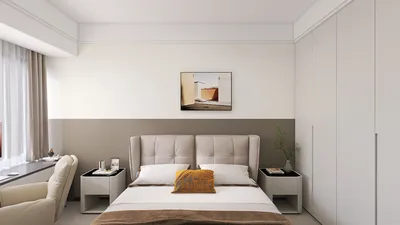


In compact hotel rooms, selecting chairs goes beyond merely filling a corner; they must serve as essential elements for comfort, functionality, and visual appeal. My design philosophy prioritizes seating that enhances perceived space, optimizes ergonomics, and accommodates various guest activities without creating clutter. By thoughtfully selecting and positioning chairs, it's possible to maximize usable space and minimize visual distraction while still providing a luxurious experience.
Research consistently underscores the significance of thoughtfully designed seating. The WELL v2 Light concept emphasizes the importance of managing glare and ensuring appropriate lighting levels to alleviate visual fatigue, especially in areas where seating serves dual purposes, such as reading or working. Insights from Steelcase indicate that varying posture and providing task support can heighten comfort and productivity, leading to improved guest experiences with lounge and desk chairs. When these elements are in harmony, guests report experiencing less discomfort and enjoy longer, more satisfying stays. Additionally, Gensler’s research demonstrates that adaptable environments play a pivotal role in both performance and guest satisfaction; hence, versatile hotel seating should enable one chair to cater to reading, dining, remote work, and relaxation.
Fundamental Principles of Compact Seating Design
My design approach hinges on three essential principles: footprint management, ergonomic design, and visual simplicity. For footprint management, I focus on chairs with widths ranging from 18 to 22 inches and depths under 24 inches, ensuring free movement between the bed, desk, and window. Ergonomically, a seat height of approximately 17 to 18 inches paired with a supportive upright back facilitates both reading and brief work periods. A visually light design employing slim frames, open bases, and low-profile arms contributes to a spacious ambiance.
Effective Chair Options for Small Spaces
- Sleek lounge chairs: A snug, high-back design with a narrow footprint provides comfort without overwhelming the space. Opt for tapered legs to enhance the illusion of a larger area.
- Armless accent seating: Chairs without arms reduce width and bulkiness, making them ideal when a desk also serves as a dining space.
- Low-profile occasional chairs: A design with a lower back maintains unobstructed views and minimizes bulkiness. Pair these with petite side tables for added utility.
- Task-lounge hybrid chairs: Upholstered models featuring swivel bases allow guests to transition easily between reading and working, enhancing functionality while minimizing the need for extra furniture.
- Folding or stackable chairs: In ultra-small rooms, a single folding chair that can be stored neatly saves space without permanent encumbrance.
Ergonomics and User-Centric Design
Seating in hotels should cater to diverse guest heights and short-term activities. I prioritize lumbar support, a waterfall seat edge to alleviate leg pressure, and breathable materials for comfort. Incorporating a footrest or low ottoman further enhances circulation during extended use.
Lighting, Color, and Acoustics for Chair Environments
Effective lighting is key to chair functionality. A dedicated reading lamp should provide focused light with adequate glare control—according to IES guidelines for reading, moderate task lighting levels are preferred to mitigate eye strain. Warm white lighting (2700–3000K) promotes relaxation, while neutral white (3500–4000K) is ideal for brief work tasks. Regarding color, subdued cool neutrals create a lighter visual atmosphere for compact chairs, while textured fabrics or accent piping can add personality without adding perceived weight. Additionally, soft upholstery and intricate weaves contribute to noise absorption, resulting in quieter rooms.
Strategic Placement for Optimal Flow
Begin by planning for movement. Maintain a clearance of 24–30 inches around the bed and a minimum of 30 inches in front of the desk. Position chairs near windows to benefit from natural light, ensuring not to obstruct curtains or balcony doors. In cramped spaces, positioning a chair diagonally in a corner can simplify movement around the room. Employing a room layout tool can aid in visualizing chair footprints and turning radii as they relate to luggage storage and wardrobes.
Versatile and Transformable Seating Solutions
Aim to marry comfort with practicality: a swivel mechanism for easy task switching, a seat edge conducive for quick meals, and durable materials that can withstand luggage wear. In small guest rooms, consider a wall-mounted drop-leaf table paired with an armless chair that can be tucked away; for suites, a compact lounge chair with a rotating side table can facilitate laptop use without relocating to the desk area.
Choosing Materials for Durability and Functionality
I recommend performance fabrics with high abrasion resistance and tight weaves to prevent pilling. Powder-coated steel or durable hardwood frames ensure longevity. Rounded edges on arms and legs protect both luggage and occupants, while finishes that coordinate with existing furniture minimize visual disruption.
Balancing Spatial Ratios and Aesthetics
A chair should complement the dimensions of the bed: in queen rooms, aim for a single compact lounge chair or two slim armless options; in king rooms, a low lounge chair accompanied by an ottoman can often be more efficient than two separate chairs. Maintain a ratio of 1:1.2 to 1.4 between the chair's width and the side table's diameter for balanced proportions.
Establishing Brand Identity through Color Psychology
Colors can subtly influence guest emotions. As per Verywell Mind, shades of blue evoke calmness and trust, while greens suggest balance and rejuvenation. I prefer using understated mid-tones for most surfaces and reserve bold colors for accents like piping or cushions to inject a sense of brand identity without overwhelming small spaces.
Integrating Sustainability into Chair Selection
Select chairs equipped with replaceable covers or components for prolonged lifespans. Opt for low-VOC finishes and sustainably sourced woods to ensure healthier indoor conditions. Timeless designs can contribute to durability, reducing the necessity for replacements and the associated carbon footprint over time.
Procurement and Evaluation Methodology
Before making bulk purchases, create a prototype in one guestroom. Assess seat height, footprint, and cleaning efficiency. Test in realistic lighting to verify glare control and reading comfort. Gather feedback from housekeeping regarding maneuverability, alongside input from guests on support and comfort.
Execution Checklist for Chair Selection
- Limit chair width to under 22 inches for constrained spaces.
- Favor armless or slim-arm configurations for optimized flow.
- Install focused reading lighting with glare management and a warm-neutral color temperature.
- Pair with compact side tables; avoid oversized coffee tables.
- Confirm clear passageways around beds and wardrobes.
- Choose durable, easy-to-clean materials with rounded edges to minimize wear.
- Ensure color accents harmonize with brand tones while maintaining subtlety.
Frequently Asked Questions
Target chair width between 18–22 inches with a depth under 24 inches, ensuring a seat height of approximately 17–18 inches to maintain clear circulation while supporting short-term comfort.
Armless models optimize width and appear less bulky. If armrests are necessary for comfort, choose slim, low-profile styles to sustain unobstructed movement.
Install dedicated task lighting that mitigates glare and meets the illuminance levels recommended by IES. Use 2700–3000K lighting for relaxation and 3500–4000K for short durations of work.
Utilize high-performance fabrics that feature abrasion resistance, stain prevention, and tight weaves. Ensure frames have rounded edges to minimize wear from guests' luggage.
Maintain a clearance of 24–30 inches around the edges of the bed and at least 30 inches in front of the desk area. Explore diagonal placements in corners to liberate main pathways. Tools like room layout software can assist in testing various arrangements.
Indeed, opt for a task-lounge hybrid with a swivel base complemented by a compact side table or a rotating surface. This arrangement can accommodate reading, dining, and light work seamlessly.
Utilize mid-tone neutrals and muted colors to alleviate visual weight. Incorporate brand elements through piping and cushions. Color psychology research suggests that blues and greens promote a sense of calm and equilibrium.
Look for lumbar support, an upright back angle appropriate for reading, and waterfall seat edges that alleviate pressure on the legs. Encourage posture adjustments with an accessible ottoman nearby.
In ultra-small guest quarters, a well-designed folding chair that can store away while reflecting the room's aesthetic can be a viable option, as long as attention is paid to materials and details.
Seek chairs with replaceable parts, low-VOC finishes, and reliable frameworks. Timeless designs help minimize replacements and associated carbon emissions over time.


Homestyler is your go-to platform for home design! Its user-friendly online design tool allows you to create stunning layouts, while the extensive 3D rendering library and inspiring DIY video tutorials make it easy to transform your ideas into reality. Start your design journey today!
Дизайн сейчас бесплатно
































