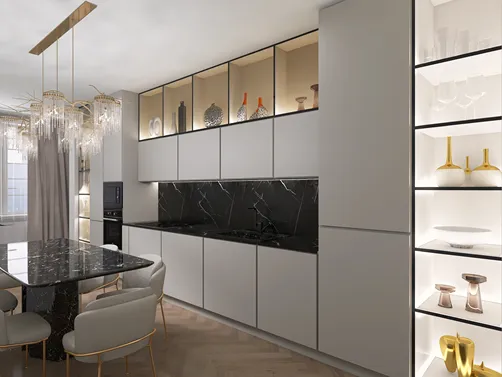
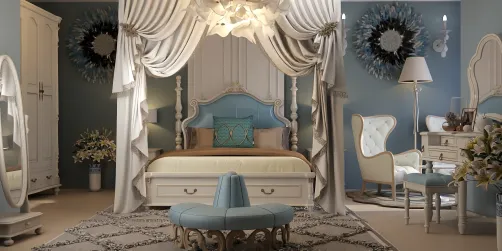
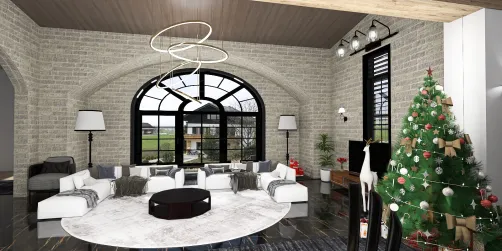
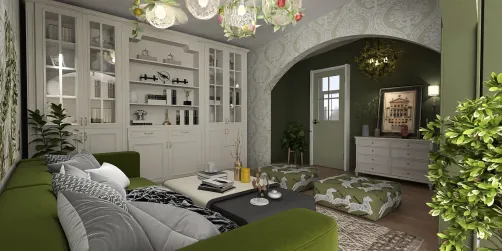
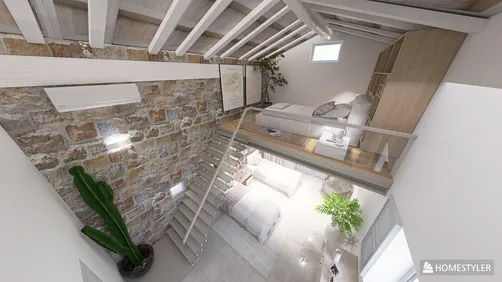
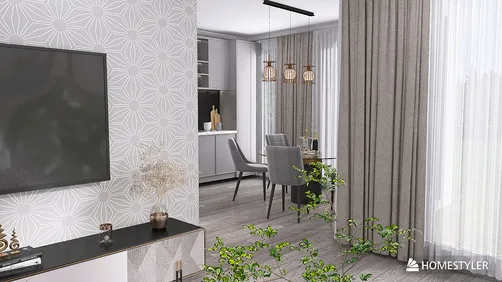
Over the past ten years, I have designed and restored many cozy guest accommodations, focusing on achieving a harmonious blend between comfort and openness. It’s essential for guests to navigate intuitively, have accessible spaces for their luggage, and enjoy an ambiance that feels spacious without the need for excessive square footage. A carefully crafted strategy, along with expertly layered lighting and genuine materials, can transform a small area into a welcoming retreat rather than feeling like a sacrifice.
Research consistently supports this design philosophy: ergonomically sound seating can alleviate physical discomfort, enhancing overall satisfaction even during brief visits. Studies by Herman Miller indicate that proper posture significantly boosts comfort levels, reducing fatigue when working or dining in multifunctional small areas. According to the Illuminating Engineering Society (IES), they recommend achieving light levels between 300 to 500 lux in common living spaces, ensuring that guests can read, unpack, and move around safely, free from glare. Color psychology insights from Verywell Mind suggest that softer shades of blue and green promote tranquility and alleviate stress, making them excellent choices for smaller bedrooms and bathrooms. To enhance indoor environmental quality, WELL v2 highlights the importance of low-VOC materials and sound control for overall comfort perception.
Objectives for Compact Hospitality Design
My primary focus is straightforward: every element must have a purposeful function. For small guest houses, this translates to multifunctional furnishings, effective storage solutions, and a thoughtful lighting design that avoids a dull, uniform illumination. Guests should encounter a straightforward entrance area, a relaxing sleeping zone, a versatile micro-living space, and a compact bathroom that doesn’t compromise on functionality. Guidance from WELL v2 regarding air quality and noise emphasizes the importance of specifying low-emission finishes while also utilizing door sweeps and soft materials to minimize sound disruption. Employing a room layout tool like Homestyler can greatly assist in visualizing the flow and spatial relationships before finalizing decisions.
Planning for Efficient Circulation
A poor circulation plan can ruin a small space. I typically initiate planning with a clear pathway of about 900 to 1000 mm from the entrance to the bedroom and bathroom doors, ensuring that doors do not bump into each other. Opting for pocket or outswing doors helps save space, while minimizing furniture depth along hallways to about 450 mm creates a clear drop-off area near the entryway for bags and coats. In particularly tight layouts, a wall-mounted console can function as both a vanity and a desk, conserving valuable floor space. I often create two or three variants in an interior layout planner to evaluate bed positioning, storage access, and sightlines effectively.
Dual-Purpose Furniture Essentials
The success of guest houses often hinges on the utilization of multifunctional furnishings. For instance, a built-in banquette that conceals drawers can store linens while offering a dining space or a workspace with ergonomic support. Research by Herman Miller highlights that appropriate seat height and back support are crucial for reducing strain, encouraging prolonged comfort. Beds designed with lift-up storage capabilities can accommodate extra pillows and seasonal bedding, while nesting side tables can serve as both nightstands and coffee tables. Meanwhile, wall-mounted shelves help to free up floor space while minimizing visual clutter.
Creating Layers in Lighting for Enhanced Comfort and Clarity
Layered lighting is essential. Strive for an ambient light level of 300 to 500 lux in living and sleeping areas following IES recommendations, complemented by task lighting providing 200 to 300 lux at the headboard or banquette. Maintaining a color temperature between 2700K and 3000K can aid in relaxation and improve flexibility through dimming features. To avoid glare, lamps should be directed away from shiny surfaces. In the bathroom, aim for roughly 500 lux at the mirror with vertical sconces to minimize facial shadows. Additionally, a small, warm night light positioned close to the ground assists guests in navigating without fully awakening.
Harnessing Color Psychology: Clean, Calm, and Characterful
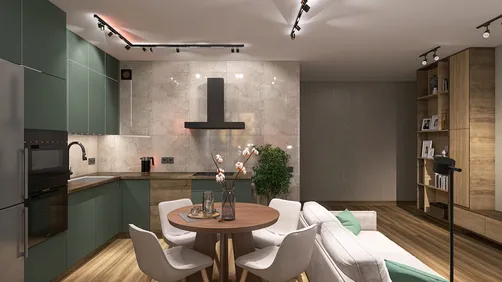
Utilizing soft, muted colors can create the illusion of a more spacious environment. Verywell Mind’s exploration into color psychology emphasizes the calming effects of blues and greens; hence, I prefer using muted blue-gray walls paired with warm accents such as wood, terracotta, or camel textiles to create warmth without feeling cold. Bold colors are best used sparingly: a painted door, a patterned cushion, or decorative art hung above a banquette can provide impactful highlights. The contrast in colors should be gentle enough to maintain visual harmony and reduce cognitive overload for guests who may arrive feeling fatigued.
Achieving Acoustic Comfort Without Excessive Construction
Thin walls and hard floors often exacerbate noise levels. In cases where complete sound isolation is unfeasible, mitigating noise from within is a viable solution: placing area rugs over acoustic underlays, incorporating upholstered headboards, and lining curtains can significantly reduce sound reflections. Investing in a solid-core door with a sweep enhances privacy remarkably. If circumstances permit, positioning the bed away from shared walls and mechanical areas can further aid in sound management. Options for white noise or discreet fans can serve as alternatives to accommodate late-night arrivals.
Strategizing for Compact Bathrooms
In small guest accommodations, the bathroom significantly impacts guest perception. A 900 mm x 900 mm shower with transparent glass panels appears more spacious than one with a curtain. An elevated vanity keeps floors visible, increasing the perception of size. Bright, vertical lighting at the mirror eradicates shadows, facilitating grooming tasks. Proper ventilation is crucial for comfort and sustainability—WELL v2’s focus on Indoor Air Quality (IAQ) drives my selection toward quiet yet efficient fans and low-VOC sealants. For tight spaces, implementing hooks instead of wide towel bars can maximize wall efficiency, and incorporating niches in the shower helps organize toiletries while preserving elbow room.
Subtle Storage Solutions
Guests require accessible and intuitive storage options: providing a rail with several sturdy hooks at the entry, a compact wardrobe featuring a luggage shelf, and a drawer nearby the bed can greatly enhance convenience. Bulk storage can be cleverly concealed beneath seating or beds. If ceiling height allows, a narrow overhead cabinet above the bathroom door serves perfectly for extra supplies. Keeping hardware consistent and uncomplicated avoids overwhelming the visual design in smaller spaces.
Prioritizing Sustainability and Material Quality
Compact living does not have to imply a disposable lifestyle. Opt for durable, repairable materials that emit low levels of VOC—such as water-based paints, FSC-certified plywood built-ins, and real wood veneers or linoleum that provide comfort underfoot. The criteria established in WELL v2 regarding low-VOC standards guide my specifications, and I often rely on easily cleanable, replaceable fabrics for areas with high usage. In humid climates, utilizing closed-cell foams or cement backer boards in wet spaces extends longevity and prevents mold growth.
Maximizing Daylight and Privacy
If only one window is available, enhance its impact. Utilize light-toned walls near the window to reflect light, employ a matte ceiling to disperse brightness, and strategically position mirrors to draw daylight deeper into the area while avoiding glare. Privacy can be layered with top-down/bottom-up shades, allowing views of the sky while obscuring ground-level visibility. Window seats can function as storage and encourage engagement with the view, psychologically enlarging the room.
Proven Layout Patterns for Efficiency
Two tried-and-true configurations include: 1) a bed as the focal point, aligned opposite to a banquette with the bathroom adjacent to the entry; and 2) a linear design featuring an entry, kitchenette, banquette, and the bed nestled at the quieter end. Testing these arrangements in a layout simulation tool like Homestyler helps confirm reach zones, door operations, and luggage pathways, aiming for straightforward lines of movement and unobstructed sightlines—minimizing unnecessary turns and avoiding visual dead ends.
Guiding Guests for an Enhanced Experience
It’s vital for guests to comprehend the layout effortlessly. Providing a simple shelf for keys, strategically placed charging ports near the bed, and a small card containing Wi-Fi information inside a drawer enhances the experience. Including a carafe, glasses, and a dimmable lamp conveys hospitality discreetly. Adding a throw blanket and an extra outlet near seating areas can encourage comfort, especially for those using laptops.
Future Design Inspirations for 2024–2025
Integrating quiet technology such as USB-C outlets with safety features, unobtrusive smart dimmers, and occupancy sensors is becoming increasingly vital. Timeless neutral palettes paired with one standout material (like walnut, rift oak, or brushed brass) are expected to age gracefully. If biophilic elements can be incorporated, placing a small living plant near a source of natural light may boost moods and soften harsh edges.
Common Inquiries
Aim for an ambient light level of 300–500 lux in living or sleeping areas, provide 200–300 lux for task lighting at the bed or workspace, and approximately 500 lux of vertical illumination at the bath mirror in accordance with IES guidelines.
For most guests, a queen bed is the best option, but a full-size bed can enhance circulation. In extremely limited spaces, a queen bed with lift storage effectively balances comfort and practicality.
Utilizing light, muted tones with warm accents is recommended. Soft shades of blue or green are conducive to promoting calmness in line with color psychology principles, while wooden textures impart warmth and depth.
To enhance acoustic comfort, add rugs with sound-absorbing underlays, utilize upholstered headboards, lined drapery, and install a solid-core door with a sweep. Positioning the bed away from shared walls whenever possible will also help.
Incorporate multifunctional elements such as built-in banquettes with storage, wall-mounted fold-down desks, nesting side tables, and beds equipped with lift-up bases. Keeping seating heights around 430–460 mm enhances comfort levels.
Ensure a clear pathway of approximately 900–1000 mm from the entrance to the bedroom and bathroom. Opt for pocket or outswing doors to save space and avoid potential conflicts.
Select low-VOC paints, FSC-certified wood products, linoleum or engineered wood flooring, as well as cementitious backer boards for wet areas. Prioritize finishes that are reparable and sustainable.
Utilize top-down/bottom-up shades, keep adjacent walls in light tones, and strategically position mirrors to enhance light distribution without generating glare. A window seat invites users to appreciate the view.
For short stays, ensure that guests have access to sturdy surfaces and a comfortable chair. Ergonomic seating options significantly lessen fatigue, enhancing the overall guest experience.
Maintain warm-white lighting within the range of 2700K to 3000K, including dimmers for task versatility and relaxation.


Homestyler is an amazing online platform that empowers you to design your dream home effortlessly. With its intuitive design tool, stunning 3D renderings, and a wealth of inspiring DIY video tutorials, you can unleash your creativity and turn your ideas into reality—no prior experience needed!








![Design [4]](https://hs-designs.homestyler.com/production/design/images/07c2de3a-88ec-4be8-8910-ff255b795bc2/1731419398293/7841697.jpg?x-oss-process=image/resize,w_502,m_mfit/format,webp)