Constructing a compact home in 2024 continues to be a desirable choice for those seeking financial independence, reduced environmental effects, and personalized living spaces. For a thoughtfully designed small home, ranging from 400 to 1,000 square feet, overall costs typically fall between $160,000 and $350,000 in various U.S. locations. This equates to approximately $200 to $350 per square foot, varying based on factors like location, site preparation, and level of finishes. Research from Steelcase indicates that well-designed environments can minimize wasted space while enhancing functional efficiency, enabling one to maintain essential usability without increasing total square footage—an important strategy for budget management. Furthermore, the WELL Building Standard establishes a direct correlation between smart design decisions, such as maximizing natural light and thermal comfort, and improved daily living experiences, which is especially vital when space is at a premium.
While material and construction costs have leveled off since the highs of 2021-2022, challenges like local labor shortages and site-specific issues still affect pricing. According to Gensler’s workplace analysis, it's not merely the size of a space that matters for satisfaction and productivity, but its quality—this concept is equally relevant in small home designs, where I emphasize the importance of daylight, sound quality, and ergonomic traffic patterns. You should anticipate a basic shell-and-core construction cost between $140 and $220 per square foot, with interior finishes and systems driving the cumulative average closer to $200–$350 per square foot. For effective financial planning, I categorize budgets into site preparation (5%–15%), structural elements (35%–45%), MEP systems (15%–25%), interiors (15%–25%), and additional soft costs along with contingencies (10%–20%). You can find reference materials at steelcase.com/research and v2.wellcertified.com.
Projected Cost Categories for 2024
• Basic small home (400–700 sq ft): $110,000–$220,000, featuring practical finishes, straightforward roofing designs, and efficient MEP systems.
• Mid-tier (600–900 sq ft): $180,000–$300,000, encompassing improved windows, better insulation, and long-lasting finishes.
• High-efficiency compact housing (700–1,000 sq ft): starting from $250,000 and exceeding $350,000, featuring enhanced insulation envelopes, triple-paned windows in colder regions, provisions for solar energy, and custom woodwork.
Primary Cost Factors to Consider
• Site and foundation considerations: Rough or sloping lots may incur additional excavation and design modifications. In flood-prone or freeze-thaw regions, foundation specifications may rise. More accessible sites can reduce overall costs by 5%–10%.
• Envelope efficiency: While high R-values, airtightness, and top-quality windows may increase initial expenses, they can subsequently lower operating costs and enhance comfort. My aim is to create a balanced envelope that satisfies climate requirements without unnecessary complexity.
• MEP systems: Compact houses gain from ductless heating/cooling, heat pump water heaters, and energy recovery ventilators for optimal air quality—this added comfort is particularly beneficial in limited spaces.
• Design complexity: Favor straightforward shapes, appropriately scaled spans, and simple roof designs to trim labor costs. Each architectural protrusion and vaulted ceiling adds to the complications of framing and finishing.
• Level of finishes and built-in features: Prioritize durability over mere aesthetics. In confined layouts, integrated storage solutions and multifunctional woodwork can substitute for costly additional square footage.
• Licensing, charges, and utility hook-ups: Properties on rural lots might require well or septic systems; urban plots may require utility upgrades—both scenarios can cause significant budget fluctuations.
Efficient Layouts That Reduce Expenses While Maintaining Space
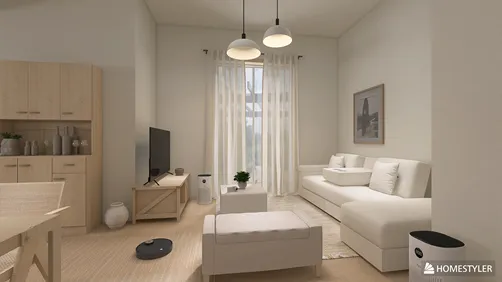
An optimized layout minimizes circulation paths and dead zones, reducing square footage without sacrificing function. I aim for a proportion of 1:1.6 to 1:2 for primary living zones to facilitate long sightlines and flexibility. Consolidate plumbing along wet walls, group mechanical zones, and allocate at least one wall section for continuous storage. If you want to visualize furniture placement or spatial flow, utilizing an interior design tool like Homestyler can help you explore and refine your options effectively.
Illumination, Sound Control, and Comfort in Smaller Homes
Lighting: In compact homes, having windows facing two orientations per main area enhances daylight exposure. I aim for a variety of color temperatures: warmer whites (2700–3000K) for living/sleeping spaces and cooler tones (3500–4000K) for work areas, complemented by dimmable features for versatility. IES-recommended task lighting levels (approximately 300–500 lux for kitchens and workspaces) ensure visual comfort without excessive brightness.
Sound Control: Employing soft materials like area rugs and fabric acoustic panels can effectively manage sound reverberation. Strategically position noisy equipment (like heat pumps or condensers) away from bedrooms and opt for solid-core doors to enhance sound privacy.
Thermal Comfort: Maintaining proper insulation continuity, sealing any air leaks around installations, and employing shading techniques (such as overhangs or cellular shades) can significantly mitigate temperature fluctuations, especially essential in smaller settings.
Material Selections: Balancing Durability, Expense, and Sustainability
In tight quarters, high-use surfaces necessitate durable materials. I prioritize scratch-resistant flooring, resilient bathroom finishes, and easy-to-clean kitchen elements. For the best long-term value, I recommend focusing investments first on the building envelope and windows, followed by kitchens and bathrooms—these will provide substantial returns regarding comfort and energy efficiency.
Budget Breakdown (Guidelines)
• Site preparation and utilities: 5%–15%
• Foundation and structural costs: 20%–30%
• Building envelope (roofing, windows, insulation): 15%–20%
• Mechanical, electrical, plumbing systems: 15%–25%
• Interior finishes and millwork: 15%–25%
• Soft costs (design, permits, surveys) + contingency: 10%–20%
Design Strategies to Optimize Perceived Space
• Using consistent flooring throughout and aligning door frames creates visual cohesion, making areas appear more spacious.
• Integration of built-in seating, window alcoves, and wall-depth storage minimizes bulky furniture requirements.
• Color Choices: Opt for lighter wall colors to increase light reflection, combined with warm wood or matte black details for depth. Color psychology indicates that calmer neutrals work best for sleeping areas while slightly more vibrant colors promote activity in more dynamic spaces.
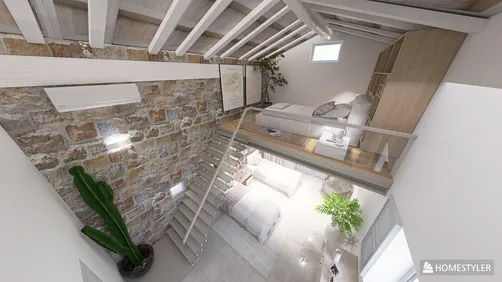
• Emphasizing Height: Implementing 8'–9' ceilings with designated lofts or storage walls provides visual height without excessively increasing conditioning costs.
Approaching Construction: Timelines and Risk Management
Conducting preconstruction checks—including geological surveys, site evaluations, and utility confirmations—helps avert unexpected challenges during the build process. I organize schedules around the lead times of key components such as windows and HVAC systems. In 2024, maintaining a contingency fund of 10%–15% will help you buffer against market shifts and site-related discoveries. Keeping clear records and establishing a single coordination point results in more predictable costs.
Financial Priorities: Where to Invest vs. Where to Cut Back
Invest in: Building envelope, windows, HVAC systems, and moisture management—these elements ensure long-term health benefits and control utility expenses. Kitchens and bathrooms should also be afforded durable, high-quality finishes to withstand regular use.
Save on: Simplifying roof designs, using standard window dimensions, opting for stock kitchen cabinetry with custom inserts, and selecting standardized tile sizes to minimize labor and cutting needs.
Ensuring Longevity in Small Homes
Prepare for future needs by incorporating conduits and pathways for solar panels and electric vehicle charging stations. Additionally, integrate extra CAT6 wiring and a dedicated low-voltage hub. By implementing adaptable design features—like modular room dividers and removable storage solutions—your home can evolve over time without major renovations. Aligning with WELL v2 standards for light and air quality will help prioritize health and well-being.
Frequently Asked Questions
Q1: What is the average cost per square foot for a small house in 2024?
A1: In numerous U.S. regions, you can realistically expect costs between $200–$350 per square foot, with simpler designs and mid-tier finishes landing closer to $220–$280 per square foot.
Q2: How much contingency should I budget for?
A2: A contingency of 10%–15% of construction costs in 2024 is advisable to accommodate price fluctuations, site challenges, and minor adjustments in scope.
Q3: Which upgrades provide the most significant long-term value?
A3: Enhancements to the building envelope (insulation and airtightness), high-quality windows, and balanced ventilation systems greatly reduce energy expenditure and improve comfort daily, particularly in compact homes.
Q4: Are elevated ceilings beneficial in small houses?
A4: Selective ceiling heights can work effectively: use heightened areas in communal spaces while keeping sleeping quarters and corridors lower to minimize heating/cooling expenses and maintain sound insulation.
Q5: How does layout contribute to cost savings?
A5: By stacking plumbing areas, simplifying spans, and minimizing hallway spaces, costs can be trimmed. Utilize an interior planning tool to assess furniture arrangements effectively before any construction begins.
Q6: What is the suggested lighting strategy for small homes?
A6: Combining natural light with layered LED solutions is optimal: use warm ambient lighting (2700–3000K) for living/sleeping areas, neutral tones (3500–4000K) for workspaces, and targeted lights achieving 300–500 lux on work surfaces, as outlined by IES.
Q7: Does a smaller home restrict storage capacity?
A7: Not if you plan it out. Implement wall-depth cabinets, toe-kick storage, under-stair compartments, and ceiling-height shelving. Integrated millwork can alleviate the need for extra rooms.
Q8: How long should I expect the entire process to take?
A8: Design and permitting generally take about 2 to 4 months, procurement about 1 to 2 months, and construction within 4 to 8 months, contingent on the project’s complexity and weather conditions. Early procurement of long-lead items is crucial for progress.
Q9: How significant are acoustics in small living spaces?
A9: Acoustics can be enhanced by using soft furnishings, isolating mechanical units from sleeping areas, and incorporating solid-core doors. A well-planned acoustic design enhances daily enjoyment.
Q10: Which materials effectively balance cost and durability?
A10: Engineered wood or high-quality luxury vinyl planks for flooring, durable quartz or compact laminate for countertops, and porcelain tiles for bathrooms represent wise choices. Focus on low-maintenance options for frequently used spaces.
Q11: Can sustainability be achieved on a limited budget?
A11: Absolutely—begin by enhancing envelope efficiency and employing appropriately sized systems. Gradually introduce solar solutions and efficient fixtures; renewable energy can be integrated later on.
Q12: How can I prevent scope creep in my project?
A12: Establish a clear scope for each room, set finish allowances, and freeze the plan following the rough-in phase. Conduct weekly site reviews with your builder to ensure decisions align with budgets.

Homestyler is your go-to online platform for home design, offering a user-friendly design tool that allows you to create stunning 3D renderings. With a wealth of inspiring design projects and helpful video tutorials, it’s perfect for bringing your interior ideas to life effortlessly!