I consistently depend on compact air filters in my small apartments, home offices, and bedrooms. When these filters are correctly matched to the space and positioned properly, their effectiveness can be quite surprising. In my design projects, the primary concern is always the coverage area: does the Clean Air Delivery Rate (CADR) of the filter complement the recommended room dimensions? According to the EPA, CADR serves as a practical measure, and industry statistics have shown that a higher CADR often leads to a quicker decrease of particulates in the air. Research conducted by Steelcase highlights that air quality significantly affects employee comfort and performance perception, with poor air and thermal conditions being top reasons for dissatisfaction. Furthermore, the WELL v2 standard emphasizes that managing particulate matter (PM2.5 and PM10) is crucial in its Air concept, making it clear that having effective filtration is not a luxury, but a fundamental requirement for health-oriented interiors, which can be enhanced using tools like Homestyler for optimal room layouts.
When it comes to selecting a compact air filter unit, I opt for a design that assures a minimum of 4-5 air changes per hour (ACH) in bedrooms and small offices, especially during peaks of allergy season. The WELL v2 guidelines stipulate PM2.5 levels should not exceed 15 μg/m³ in recirculated spaces, aligning perfectly with the objectives I set for my clients. Steelcase's workplace insights further indicate that environmental comfort, including air quality, plays a crucial role in employee engagement, highlighting the importance of air purification in design rather than merely a technical gadget. To delve deeper into these concepts, refer to the WELL v2 Air concept and Steelcase’s research data.
What Compact Filters Should Achieve
A quality compact air filter should deliver a suitable CADR relative to its designated room size, low noise production, and a filter system proficient in handling various pollutants. A true HEPA filter (H13 or H14) is essential for capturing fine particulates such as pollen, dust, and smoke. In cases where odors or pollutants enter from cooking or traffic, a layer of activated carbon can assist in absorbing volatile organic compounds (VOCs) and unpleasant smells. If pets are present, using pre-filters can prolong the life of the HEPA filter by trapping pet hair and larger particles before they clog the finer mesh. An effective small air filter will clearly indicate its CADR ratings for smoke, pollen, and dust, and you can expect to see variances amongst these figures, especially regarding smoke CADR in regions susceptible to wildfires.
Optimal Placement and Airflow Management
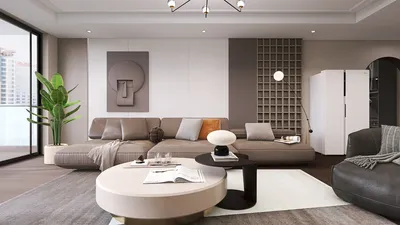
The placement of the filter directly impacts its performance. I steer clear of positioning air filters in corners or cramped alcoves that could impede airflow. Instead, I prefer to place them in the central section of the room or along major traffic paths where intake and exhaust can flow without obstruction. In bedrooms, positioning the unit either on the floor or a low stand, ideally 3-6 feet away from the bed and separated from curtains, enhances particulate filtration without creating drafts for those resting. In spaces with multiple micro-zones—like a reading area or a desk—having a single unit strategically located near the area of most activity tends to yield better results than multiple units poorly placed. When arranging furniture, I utilize room layout software, such as Homestyler, to visualize airflow dynamics and ensure that furniture doesn't block necessary ventilation.
Considerations for Noise, Light, and Comfort
For environments like bedrooms and nurseries, managing acoustic levels and light output is crucial. I aim for a noise level of 40 dB or lower on the unit's low/auto settings, similar to a library’s quietness. Additionally, I prefer units equipped with a night mode and dimmable lights. Bright blue LED indicators can disrupt sleep for sensitive individuals, so covering them or opting for models with display-off options is advisable. Ergonomically, units that exhaust from the top or side tend to alleviate the sensation of drafts at the head of the bed. If higher ACH settings lead to dryness, combining purification with balanced humidity levels around 40-50% helps maintain comfort.
Varieties of Filters and Maintenance Guidelines
Different types of pollutants require various filter media. HEPA filters (H13/H14) effectively capture fine particles as small as 0.1-0.3 microns, while carbon filters address odors and VOCs emitted by cooking, painting, and cleaning. Some devices also include photocatalytic or UV filters; however, these should be used with caution and it's important to ensure safety certifications. I schedule quarterly reminders to vacuum pre-filters and replace HEPA and carbon filters according to the manufacturer’s usage guidelines, which typically range from 6-12 months based on loading factors. It's vital to remember that a clogged filter can significantly reduce CADR and increase noise, making maintenance essential for effective performance—not merely an expense.
Understanding Room Size, CADR, and ACH Calculations
Here’s my quick method for ensuring proper sizing: first calculate your room's volume (length x width x height), then select a unit capable of achieving 4-5 ACH for bedrooms or 5-8 ACH for high-traffic, allergy-prone small offices. For instance, in a room measuring 12×10×8 feet with a volume of 960 cubic feet, you would require 4,800 cubic feet of air per hour at 5 ACH, translating to about 80 cfm. Therefore, check the unit’s CADR for smoke to ensure it falls within the range of 80–120 cfm. It's important to remember that CADR is based on testing with standardized aerosols; real-world homes often present mixed pollutants, hence additional capacity is advisable.
Designing for Integration: Visual Appeal, Size, and Safety
Compact air filters should be visually unobtrusive and designed to minimize trip hazards. Personally, I tend to favor matte finishes in subdued colors, rounded edges, and a compact footprint that allows them to fit neatly beside furniture or under windows without blocking curtains. Effective cable management is essential—cords should be routed along the base of walls and secured with low-profile clips. For areas like nurseries and playrooms, ensuring the filters have stable bases and resistance to tipping is critical; it’s best to avoid using tall, narrow models in active zones.
Daily Usage Patterns and Routines
I recommend keeping small air filters on autoregulate options throughout the day, particularly ramping up usage during cooking or cleaning tasks. For units without particulate sensors, I suggest establishing a schedule: run them at high capacity for two hours following high-activity periods, and switch to medium or low afterwards. It’s beneficial to keep doors slightly ajar while filtering common spaces to avoid pressure pockets and facilitate airflow. If you experience seasonal allergies, it might be wise to begin running the unit daily a few weeks prior to the expected pollen season; once symptoms manifest, you'll already be ahead of the game.
Selecting Materials and Sustainable Options
From a sustainability standpoint, I advocate for selecting filter units with changeable media instead of those that require entire cartridges. It’s also essential to ensure that filters are free from unnecessary fragrances. While recyclability for HEPA materials is limited, utilizing long-lasting pre-filters and efficient motors can help reduce waste. Brushless DC motors typically require less energy, and models certified by Energy Star assist in maintaining lower operational costs. If you are sensitive to odors, consider avoiding plastics with strong off-gassing, and allow new units to air out for 24-48 hours before use.
The Relationship Between Light Quality, Color Psychology, and Wellbeing
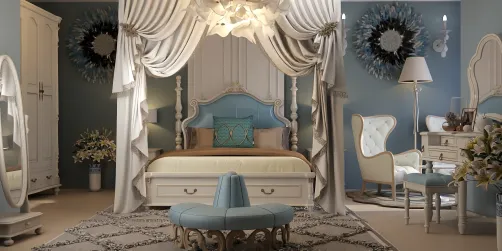
Air quality interrelates with a wider comfort spectrum, which includes lighting and color choices. Utilizing warm-white task lighting (2700–3000K) in bedrooms can minimize glare and promote relaxation. In contrast, cooler-white lights (3500–4000K) are more fitting for home office areas. In bedrooms, I like to combine air purification with soft, muted colors—blues and gentle greens—which are often linked to calm and a sense of cleanliness, as noted by studies on color psychology. In workspaces, I prefer neutral tones with occasional vibrant hues to stimulate energy without creating visual clutter. It's essential for the air purifier to seamlessly integrate without adding visual distraction; ideally, it should be concealed or aligned with architectural elements to appear as part of the overall design.
When to Evaluate the Need for Multiple Compact Units
For expansive open spaces that serve multiple functions—like combined living, dining, and working areas—using two smaller units rather than a single large unit is often more effective. For example, I would place one filter close to the cooking area to deal with sudden spikes of PM from cooking activities, while another unit would be positioned in the primary seating area where individuals spend the most time. By staggering their maintenance schedules, the overall performance consistency across the space can be maintained.
Addressing Common Challenges with Air Filters
If you find that particulate levels aren't improving, the first step is to check for blocked intake vents, ensure that doors aren’t completely closed depriving the unit of airflow, and look at filter cleanliness. Increased noise levels can typically indicate either clogged filters or the unit operating on higher speeds to compensate. Persistent unpleasant odors may require either replacing the carbon filter or conducting a thorough audit of potential sources such as paints, cleaning products, or unvented gas appliances.
Frequently Asked Questions
To calculate appropriate room volume, multiply length, width, and height, and aim for 4-5 ACH. Ensure the unit's smoke CADR matches the required cfm, adding extra capacity if pets or allergies are in your space.
Absolutely. True HEPA filters (H13/H14) effectively capture small particulates that can trigger allergies and asthma. Pair these filters with carbon media if there are concerns regarding odors or VOCs.
To achieve effective filtration, it's vital to keep intake and exhaust paths clear. Avoid placing units in corners and position them close to where people typically gather. In bedrooms, aim for a location 3-6 feet from the bed without any drapes obstructing airflow.
Quality air purifiers generally operate between 35–45 dB when set to low/auto. Seek models with night mode settings and features to turn off displays to enhance sleep quality.
Yes, it helps. Units running in auto mode adjust according to spikes in activity from things like cooking or cleaning. If no sensors are available, establish a time-based boost schedule following periods of high activity.
I recommend vacuuming pre-filters monthly and replacing HEPA or carbon media based on the manufacturer's recommendations, normally every 6-12 months depending on usage.
Indeed, as long as the unit's smoke CADR meets the requirements for the space and windows remain closed. Carbon filters assist with odors while HEPA captures fine particulates.
Air purifiers can assist in reducing airborne particulates that may carry viruses, but cannot guarantee absolute safety. It's best to combine them with effective ventilation, filtration, and hygiene measures that adhere to WELL practices.
In periods of allergy flare-ups or during times of high pollution, running air filters continuously in low/auto mode is an efficient way to maintain air quality on a consistent basis.
Yes, brushless DC motors and Energy Star-compliant models significantly reduce energy consumption; in fact, most compact units draw power similar to that of a fan set to low.

Homestyler is your go-to platform for effortless home design. With its user-friendly online design tool, stunning 3D renderings, and a wealth of inspiring design projects and DIY video tutorials, transforming your space into a dream home has never been easier!








![Design [4]](https://hs-designs.homestyler.com/production/design/images/07c2de3a-88ec-4be8-8910-ff255b795bc2/1731419398293/7841697.jpg?x-oss-process=image/resize,w_502,m_mfit/format,webp)