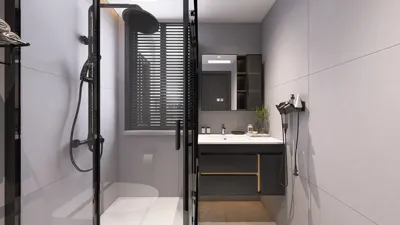


To grasp the concept of how different colors reflect light, one must delve into the fundamental aspects of color theory and light reflection. Typically, colors that exhibit excellent light reflection are those that possess lighter tones. For example, white stands out as the most effective light reflector since it bounces back all wavelengths, making it appear exceptionally bright to our eyes. On the other hand, darker colors tend to absorb more light and reflect less, resulting in a dimmer appearance.
The explanation for these observations lies in the interaction of colors with light waves. When light encounters an object, it absorbs certain wavelengths while reflecting others. White surfaces are adept at scattering all visible light wavelengths, which contributes to their brilliance.
Guidelines for Selecting Reflective Colors in Design
1. **Opt for Light Hues**: When choosing paint or decor for a room, consider light tones such as pastels, whites, and creams to enhance light reflection. This choice can create a brighter and more expansive atmosphere, particularly in compact spaces.
2. **Incorporate Glossy Finishes**: In addition to color, the finish of the surface is significant. Materials and paints with a glossy or semi-gloss finish are superior in reflecting light compared to their matte counterparts.
3. **Leverage Natural Light**: Ensure that your areas benefit from natural light sources. Pairing reflective colors with thoughtful lighting strategies can elevate brightness and visual interest.
4. **Evaluate Room Function**: For areas that demand concentration, such as home offices, choose colors that stimulate alertness. Bright, reflective hues can boost productivity while still fostering a welcoming environment.
Common Questions
Q: Which colors tend to absorb the most light?
A: Dark shades, including black and deep blue, are known to absorb the majority of light wavelengths, reflecting very little back.
Q: Can color selections influence energy usage?
A: Absolutely! Lighter colored walls can diminish the necessity for extra lighting, leading to energy savings.
Q: Are there particular reflective colors that are more effective in specific rooms?
A: Certainly! In living rooms and shared spaces, utilizing lighter, warmer shades can create an inviting atmosphere while enhancing light reflection. Softer pastels in bedrooms can also promote a sense of calm while remaining reflective.
Q: How can I assess the light reflection properties of colors prior to painting?
A: It's wise to test paint samples in the actual space at different times throughout the day to observe how they reflect light; examining the hues under both natural and artificial lighting can aid in making an informed choice. Using a tool like Homestyler can also help visualize these effects before making a final decision.
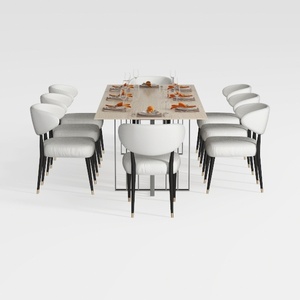
GarveeHome Natural Rattan Dining Chairs Set of 2
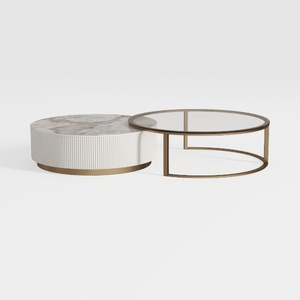

Modern Marble Gold Metal Glass Round Nesting Coffee Table 3D Model

Minimalist White Fabric Wood Base Tufted Armchair 3D Model
Discover Homestyler, the ultimate online home design platform! Effortlessly create stunning spaces with its user-friendly design tool, explore a vast library of 3D renderings, and learn with DIY video tutorials. Perfect for anyone looking to elevate their home decor with ease and inspiration!
Дизайн сейчас бесплатно
































