

Over the years, I have refined the ambiance of living rooms through the clever use of color, light, and proportions. One effective way to establish a mood and unify a design scheme is through curtains. The ideal fabric and color can create an illusion of space, minimize visual distractions, and enhance natural light quality. In versatile living areas that combine work, relaxation, and socializing, choosing curtain colors should consider the room’s orientation, lux levels, the color of walls, and undertones of the furniture. Incorporating tools like Homestyler can significantly assist in visualizing these elements together.
Color selections extend beyond mere aesthetics; they actively affect emotions and concentration levels. Research compiled by Verywell Mind indicates that shades of blue and green are often associated with reducing stress and encouraging tranquility, while warmer tones can boost energy and social engagement. Studies from Steelcase link visual comfort and glare management to better cognitive performance and decreased fatigue—these principles are particularly relevant to living rooms where reading, conversations, and screen time vie for attention. Achieving a balance between curtain brightness and reflectance is crucial for minimizing glare while maintaining a comfortable contrast ratio.
The quality of light is as vital as color itself. WELL v2 suggests implementing shading techniques to manage daylight exposure and glare, while the Illuminating Engineering Society (IES) emphasizes maintaining suitable luminance ratios to avert visual strain. For west-facing rooms that receive intense afternoon sunlight, medium-dark, matte curtains in cool neutral shades can soften brightness. Conversely, for north-facing rooms with less natural light, lighter warm tones can enhance the perception of daylight, creating a more comfortable environment. These choices help to reduce contrast spikes at eye level, fostering a cohesive atmosphere throughout the space.
Guidelines for Curtain Color Based on Living Room Styles
• Modern minimal: Soft greige, warm white, or pale taupe provide a subtle baseline. These shades complement materials like concrete, oak, and pale stone, avoiding any yellowish hues. Opt for matte weaves to minimize glare and reflections on screens.
• Classic contemporary: Rich navy, steel blue, or forest green can add depth without feeling oppressive. These colors pair beautifully with brass or black accents, framing large windows with an elegant touch.
• Scandinavian light: Shades like chalk, oatmeal, and mushroom create a soft glow that harmonizes with light woods and textured neutrals. Patterns should remain understated, such as pinstripes or micro-checks, to maintain a tranquil environment.
• Bold eclectic: Shades such as terracotta, paprika, or mulberry introduce vibrant warmth and energy. Balance these richly colored curtains with neutral walls and a toned-down rug to ensure the color scheme feels intentional and not chaotic.
Understanding Color Psychology for Living Rooms
• Soft blues and blue-greys: Known for lowering heart rates and fostering relaxation—ideal for reading nooks and smaller spaces.
• Greens ranging from sage to deep olive: Symbolize balance and renewal; pair well with indoor greenery and natural textiles.
• Warm neutrals (like sand, almond, linen): Encourage conversation and brighten north-facing rooms.
• Earthy reds and terracotta: Promote coziness and social bonding, best used in medium tones to avoid overwhelming daylight.
• Charcoal and near-black shades: Offer a sophisticated contrast in well-lit spaces; ensure layered lighting to maintain a welcoming atmosphere in the evening.
Connecting Curtain Colors to Light Direction
• North-facing (cool, dim light): Opt for warm whites, sandy tones, or light caramel to enhance perceived brightness.
• East-facing (soft morning light): Utilize gentle pastels and airy neutrals to keep mornings bright without harsh glare.
• South-facing (consistent daylight): A wide range of colors works; focus on mid-tone blues or greens, and warm taupes to balance prolonged exposure.
• West-facing (intense late sunlight): Choose medium-dark cool shades—like slate, smoke, or ink blue—to reduce contrast and heat without making the room feel dreary.
Fabric, Weave, and Finish Influence Color Perception
The way color is perceived can vary across different textures. For instance, linen and cotton soften vibrant colors, while velvet adds richness. Sheer fabrics elevate reflectance. For spaces that prioritize television viewing, it's best to avoid high-gloss finishes due to their propensity to reflect light. Consider layered options such as colored sheers paired with blackout liners to provide flexibility: sheer curtains for daytime diffusion, and liners for evening privacy and glare resistance.
Understanding Undertones: The Hidden Aspect
Recognizing warm versus cool undertones can significantly influence a design scheme. For instance, if a room features warm oak flooring and brass hardware, leaning towards warm neutrals (like almond, latte, or camel) tends to be more cohesive. In contrast, with grey floors and chrome accents, cool shades (such as steel blue, pewter, or fog) are more effective. Always assess color swatches against key surfaces in varying daylight to observe shifts in color temperature throughout the day.
Visual Balance and Patterns
In compact rooms, vertical pinstripes can create an impression of height, while soft horizontal textures can mitigate a cavernous feel in larger spaces. Larger patterns suit tall windows, whereas micro-patterns are ideal for standard heights. Keep contrast levels between patterns modest to ensure the eye is drawn to the room's focal points rather than just the curtains.
A Shortlist of Practical Colors
• Warm white / linen: An adaptable base that pairs well with layered lighting setups.
• Greige: A versatile bridge between warm and cool tones, coordinating smoothly with stone and steel elements.
• Sage: Fresh, calming, and connected to nature.
• Steel blue / navy: Provides structured elegance, particularly effective alongside monochrome art.
• Terracotta / rust: A warm, grounding choice that complements natural wood materials.
• Charcoal: Creates striking contrast in bright rooms; serves as a dramatic backdrop for modern furnishings.
Tips for Layout and Sightline
In selecting curtain colors, consider how they enhance circulation and focal points. If the sofa faces a window, opt for subtler curtain designs to avoid clashing with the view. For gallery walls located opposite windows, a darker curtain hue can frame the sightline effectively, making the artwork stand out. To optimize furniture positioning near windows, utilize tools like Homestyler to experiment with layouts and check for glare on screens and how fabric colors interact with incoming light.
Tips for Maintenance, Longevity, and Sustainability
If exposed to strong sunlight, seek fade-resistant dyes. Natural materials, such as linen and cotton blends, provide breathability, while recycled polyester is durable and low-maintenance. Aim to select OEKO-TEX certified fabrics, prioritizing blackout or thermal liners to mitigate heat gain. Neutral, timeless colors help reduce the frequency of color refreshes and waste overall.
Helpful Insights from Experience
• Always test fabric in a full drop: Pinning a meter of fabric near the window yields more accurate results than small swatches.
• Balance wall color value: For light walls, choose mid-tone curtains to prevent washout; for darker walls, select a lighter shade to avoid a visually heavy feel.
• Layering for control: Combining sheer and dim-out layers provides flexibility from day to night and enhances acoustic dampening effects.
• Complete the look: Color-match header tape and tiebacks for a unified appearance.
Further Reading for Additional Insights
For research-backed information about color and human behavior, check out Verywell Mind’s perspective on color psychology. For benchmarks regarding daylight comfort, look into the WELL v2 recommendations on lighting and IES guidelines concerning glare management.
Reference: Verywell Mind – Color Psychology | WELL v2 – Light Concept
FAQ Section
Q1: Which curtain colors can effectively minimize screen glare in brightly lit living rooms?
A: Opting for medium-dark, matte cool shades such as slate or ink blue can help reduce reflections while maintaining comfortable contrast ratios. Dim-out liners can further manage brightness during late afternoon hours.
Q2: What colors can make a small living room appear larger?
A: Light, low-contrast color schemes—like warm white, pale greige, or soft sage—can enhance the perception of width. Utilizing subtle patterns and extending curtain rods beyond the frame can also create an illusion of spaciousness.
Q3: How should I select colors for north-facing rooms?
A: Opt for warm shades like sand, almond, or light caramel to counteract cold daylight and improve the sense of warmth without veering into yellow tones.
Q4: Are striking colors like terracotta or navy suitable for rental homes?
A: Absolutely, provided they remain in mid-tone values. Terracotta can warm neutral walls, while navy provides tailored contrast. Keeping accessories understated helps avoid visual chaos.
Q5: What curtain color is best for spaces filled with houseplants?
A: Opt for shades of sage, olive, or warm greige to complement the greenery, reinforcing biophilic design elements while maintaining a tranquil palette.
Q6: Can patterned curtains fit well in minimalist environments?
A: Yes, using micro-patterns in low contrast—like fine herringbone or pinstripes—can contribute texture without disrupting a minimalist aesthetic.
Q7: Which fabrics maintain color integrity over time?
A: Solution-dyed acrylics and high-quality polyester blends offer resistance to UV fading, while linen-cotton blends age gracefully but benefit from using liners for brighter exposures.
Q8: How can I match curtain color with a grey sofa?
A: Cool companions such as steel blue, fog, or charcoal will sharpen the overall look, whereas warm tones like camel or rust add depth and warmth. It’s wise to test the undertones during various times of the day.
Q9: If I’m unsure about a neutral color choice, what's the safest bet?
A: Greige is a versatile option—balanced between warm and cool—making it compatible with varied finishes and ensuring flexibility for future changes.
Q10: Do darker curtain colors create a feeling of reduced space?
A: Only if adequate layered lighting is lacking. In well-lit areas, shades like charcoal or navy can enhance sophistication while framing views beautifully, especially when paired with sufficient ambient and task lighting.
What began as an Autodesk innovation has evolved into a design platform used by more than 18 million people around the globe. Homestyler combines powerful rendering, an intuitive editor, and a vast furniture library to help you turn inspiration into photorealistic designs — whether you're redesigning a single room or planning an entire home.
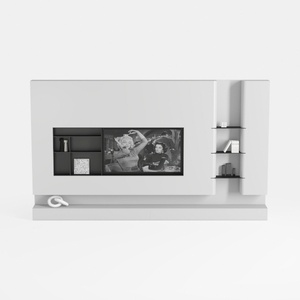
Minimalist White Wall Mounted TV Stand Cabinet With Open Shelves 3D Model

Minimalist Neutral Fabric Irregular Coffee Table 3D Model

Minimalist Fabric Roller Blind Window Shade 3D Model
Homestyler is your go-to online home design platform, perfect for bringing your vision to life! With a user-friendly design tool, stunning 3D renderings, a wealth of design projects, and informative DIY video tutorials, creating your dream space has never been easier or more enjoyable.
Дизайн сейчас бесплатно
































