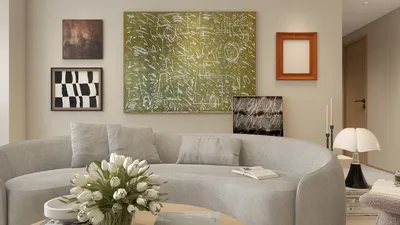


The choice of color plays a vital role in establishing the emotional ambiance of your drawing room, influencing how we gather, unwind, and entertain. When selecting wall colors, I focus on three key elements: the amount of natural light, the mood you wish to create, and the existing furniture palette. A harmonious design respects human comfort factors, such as glare reduction and circulation flow, ensuring the room feels cohesive at all times. Research from the WELL Building Standard emphasizes that visual comfort is affected by balance and glare control, which is why mid-tone colors often enhance living spaces more effectively than extreme contrasts. Furthermore, studies from Steelcase highlight that environments designed to moderate visual strain contribute to more prolonged and enjoyable social interactions—essential for spaces intended for conversation and hosting. Integrating tools like Homestyler can aid in visualizing these aspects effectively.
Understanding color psychology allows me to adjust intensity according to intent. For example, Verywell Mind describes blue as a calming hue and green as restorative, whereas warm tones such as terracotta exude grounding and inviting feelings. I fine-tune saturation based on the natural light available: in brightly lit south-facing rooms, richer hues retain their essence; lighter neutral tones work best in low-light conditions to avoid dullness. The Illuminating Engineering Society highlights the need to steer clear of high-contrast luminance ratios that can lead to discomfort and glare. This underscores the necessity for softly diffused color palettes complementing layered lighting. For a classic ambiance with crown molding, a mid-depth greige paired with a crisp white trim creates an inviting juxtaposition, avoiding any harsh contrast while integrating with your existing design, including tools like Homestyler to explore these designs.
Understanding how natural light affects colors is crucial for making savvy selections. North-facing light tends to be cool and even, which can make cooler greys seem flat; hence, I warm them up with taupe or mushroom accents. South-facing light has a warm intensity, allowing for rich colors like olive and denim blue to shine without feeling heavy. East-facing rooms benefit from pastels and light neutrals that appear fresh in the morning, while colors that resist the amber tones of sunset, such as dusty sage or slate blue, work best in west-facing rooms. To maintain visual comfort, I pair the color palette with layered lighting solutions: using ambient lamps in the 2700–3000K range for warmth, task lights between 3000–3500K for clarity, and dimmable accents to ease transitions. This thoughtful approach minimizes harsh shadows and preserves color consistency throughout the day.
Neutrals serve as the ideal foundation for multifunctional spaces. Colors like warm greige, almond, and light mocha introduce skin-friendly warmth that translates beautifully in photographs, while cooler neutrals like silvery grey cater to contemporary furniture styles. I steer clear of pure white on all walls unless abundant, well-distributed daylight is present, as white tends to amplify shadows and reveal imperfections. Instead, employing a subtle two-tone strategy can prove effective: choose a gentle neutral for the main walls and create a deeper tone by 10–20% on a fireplace or media wall, thereby establishing gentle hierarchy without overwhelming contrast. Leveraging visualization tools like Homestyler helps in effectively planning this approach.
Deep accent walls can effectively frame seating areas or highlight architectural features. I recommend limiting accents to a single wall unless the room is expansive, selecting colors that resonate with textiles or artwork for a cohesive feel. A rich petrol blue behind a sofa accentuates warm woods and leather accents, while a deep oxblood can introduce an element of formal elegance in classic settings; charcoal finishes can modernize traditional moldings by emphasizing shadows. Maintaining consistent sheen levels is also important—use eggshell or matte finishes for walls for a more forgiving look, while satin finishes on trim enhance durability and provide crisp lines. To assess potential layouts and focal points, utilizing a room design visualization tool, such as Homestyler, allows for effective experimentation prior to defining an accent wall.
Embodying earthy warmth, colors like terracotta, sand, and olive blend seamlessly with tactile materials—linen, boucle, jute, and oiled oak finishings. Terracotta provides an inviting atmosphere without veering into rustic territory, especially when combined with grey-beige upholstery. Sand and camel colors create a versatile backdrop that pairs nicely with brass and smoked accents. In contrast, olive adds a sophisticated botanical touch; I balance it with soft ivory ceilings and cognac leather elements. To maintain clarity and avoid muddiness, it's essential to ensure your lamps have a high color rendering index (CRI)—aim for CRI 90+ to keep warm palettes appearing true, especially as dusk approaches.
For soothing and conversational areas, I prefer using soft blues and greens in subdued tones. Powder blue brings a light touch to smaller rooms, while denim and ink hues provide a refined appeal when set against walnut and brass details. Sage and eucalyptus green create a relaxing ambiance that pairs beautifully with soft-textured surfaces like terrazzo or travertine. Surprisingly, soft charcoal can add a cozy feel when matched with warm textiles and layered lighting solutions. This combination absorbs glare and fosters an intimate atmosphere, ideal for evening gatherings.
White-on-white schemes can succeed in spaces with carefully controlled lighting. I differentiate surface tones: slightly warmer whites on walls, neutral whites on ceilings for clarity, and semi-gloss finishes on trim to frame the edges neatly. Texture plays a vital role—options like limewash, microtextured paint, or grasscloth panels can add significant depth without relying solely on color. Maintaining clean furniture silhouettes is crucial to minimize distracting shadows, and using diffusers on downlights can further reduce scalloping effects.
Rooms designed for social interaction benefit from colors that promote a sense of community. Warm mid-tones can reduce feelings of self-awareness, which high-brightness whites often provoke. Findings from Verywell Mind's color psychology research coincide with my design philosophy: muted warm hues create a welcoming environment, whereas overly saturated reds can increase perceived energy and may deter prolonged gatherings. For multifunctional living areas, I create distinct zones: opting for warmer, slightly deeper tones near seating arrangements to foster intimacy while lighter hues remain in circulation paths to ensure openness.
Sheen plays a significant role in managing glare and determining the ease of cleaning surfaces. Utilizing matte or eggshell finishes on walls minimizes unwanted highlights, especially in naturally bright rooms. Applying semi-gloss on trim and doors supports durability and sharp shadow lines. Consistently linking colors to materials is important: cooler palettes harmonize with chrome, nickel, and concrete, while warmer palettes favor brass, oiled wood, and boucle finishes. Additionally, sustainability is key: opting for low-VOC paints reduces odors and improves indoor air quality, while using FSC-certified wood and recycled textiles ensures your color palette is both aesthetically pleasing and environmentally friendly.
Ceilings can be powerful design tools. Lower ceilings appear taller when painted 2–3 shades lighter than the walls, while high ceilings can feel cozier with the application of a soft tint. Crown moldings stand out when the walls are mid-tone and the trim is a crisp yet gentle color—consider soft whites with warm undertones. If you have picture rails, they provide a natural color break; utilize richer tones on the lower walls for coziness, with lighter shades above to balance brightness near light sources.
In compact drawing rooms, low-contrast palettes create the illusion of a larger space by enabling the eye to travel smoothly without abrupt edges. In contrast, spacious rooms can handle depth, incorporating gradient walls, darker alcoves, or a single prominent accent wall to anchor seating clusters. If you're re-evaluating seating arrangements and traffic flow, quickly experimenting with a layout planner or Homestyler before painting can yield insightful configurations.
Current trends for 2024–2025 showcase muted greens (like eucalyptus and bay leaf), complex neutrals (greige and mushroom), and gentle blues (such as mist and denim) continuing to lead in popularity, often paired with off-black accents and warm metal finishes. Textured paint applications—limewash or clay-based matte options—add depth without overwhelming color. I've observed a rise in tonal rooms featuring 3–4 variations of the same hue for a sense of harmony, alongside strategic color-blocking designed to accent built-ins and media niches effectively.
When it comes to color testing, never rely on swatches alone. Paint large test patches and observe how they look throughout the day—morning, midday, and evening—under your actual lighting conditions. Pay attention to how colors interact with key materials like floors, sofa fabrics, and rugs. Tweak the hue or saturation based on how frequently you use the room after dark; a space used predominantly in the evening should receive adjustments under 2700–3000K lighting with a high CRI to circumvent color shifts.
Q1: What wall color is best for a north-facing drawing room? A: Select warm neutrals—such as greige, taupe, or light mushroom—to counteract the cool daylight. Incorporate layered lighting in the range of 2700–3000K to maintain inviting tones and reduce flatness when planning your interiors with tools like Homestyler.
Q2: How do I choose an accent wall without making my room feel smaller? A: Opt for a single, mid-to-deep accent wall behind your seating area and keep adjacent walls lighter. Control the sheen to eggshell or matte to mitigate glare that might make the accent appear overwhelming.
Q3: What sheen is ideal for living room walls? A: Matte or eggshell finishes effectively reduce specular highlights and are generally more forgiving in natural light. Pair this with semi-gloss on trim for durability and clearer profiles.
Q4: Are cool colors too formal for family spaces? A: Not necessarily. Softened tones of blues and greens can create a serene environment; adding warm textiles alongside brass or wooden accents helps balance the temperature and avoids sterility.
Q5: How can I ensure color accuracy at night? A: Utilize lighting solutions with CRI 90+ and warm-white bulbs (2700–3000K). High CRI maintains undertones, preventing greens from appearing muddy and whites from taking on a yellowish hue.
Q6: Can I have white walls in a busy family room? A: Yes, provided the lighting is diffuse and well-balanced. Choose warmer whites and introduce textures—such as limewash or microtextured paint—to diminish the appearance of harsh shadows and fingerprints.
Q7: Should the ceiling color match the walls? A: For lower ceilings, paint ceilings 2–3 shades lighter to create the illusion of height. For taller rooms, a gentle tint can visually lower the ceiling and foster coziness.
Q8: How do I coordinate colors with existing furniture? A: Select a secondary hue from a rug or artwork and translate it into the wall color at lower intensities. Ensure consistency with metals: warm tones should pair with brass and cool tones with chrome or nickel.
Q9: What color palette works best for resale purposes? A: Opt for soft neutrals—such as warm greige, pale stone, or almond—which have broad appeal. Add subtle contrasts using trim and a single, restrained accent to provide depth without alienating potential buyers.
Q10: Can black or charcoal work as wall colors? A: In moderation. Soft charcoal can be effective in rooms designed for evening use with layered, dimmable lighting. It should be balanced with warm textiles and lighter ceilings to ensure comfort.
Q11: How do I plan color around a media wall? A: Select a slightly darker, low-sheen paint to absorb glare from screens. Maintaining mid-tone colors on surrounding walls helps in sustaining luminance balance and visual comfort.
Q12: What is the easiest way to test layout and color together? A: Use a room layout tool to simulate seating and focal points, then apply paint sample patches in high-visibility areas to confirm that the colors harmonize with the arrangement.
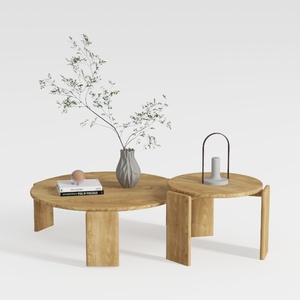
RUSTOWN 2-Piece Round Farmhouse Coffee Table
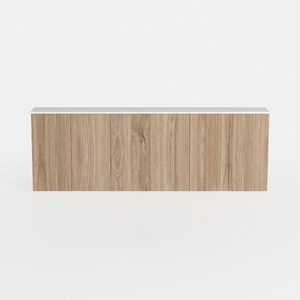
Fluted Sideboard Buffet Cabinet with Storage,
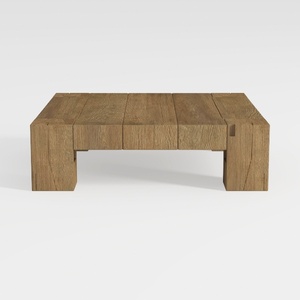
GiftGo Coffee Table Mid Century Modern Center
Transform your home design dreams into reality with Homestyler! This user-friendly platform offers an innovative online design tool, stunning 3D renderings, and a wealth of inspiring design projects. Plus, dive into easy-to-follow video tutorials that guide you every step of the way. Perfect for all skill levels!
Дизайн сейчас бесплатно
































