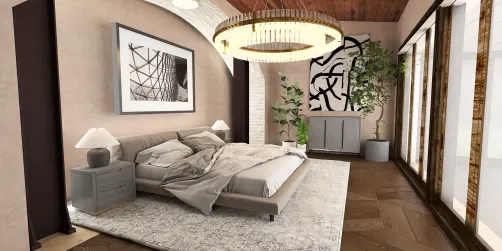
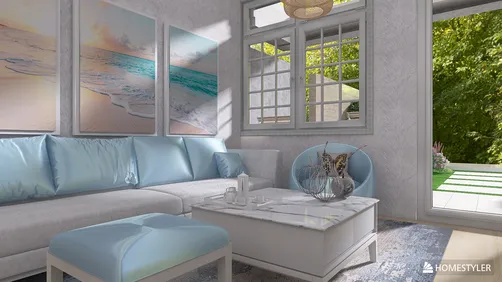
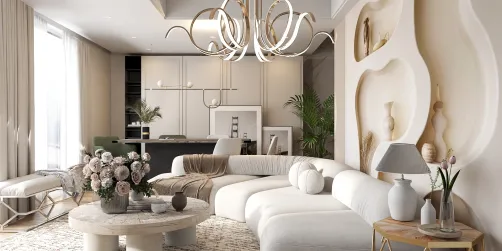
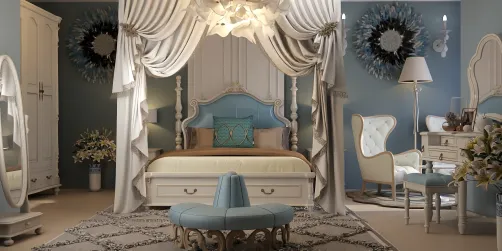
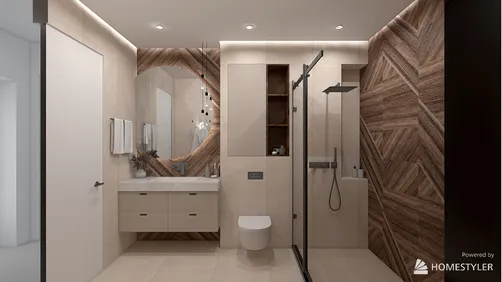
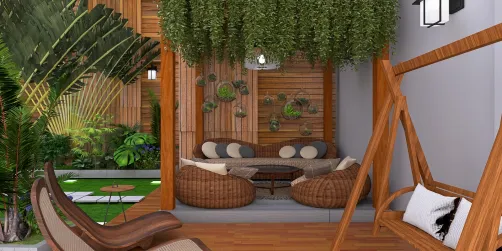
Creating stunning and functional spaces can often lead to confusion between the terms interior decorating and interior design. While both aim to elevate the look of a space, they employ different methods and have distinct goals. Interior decorating is primarily concerned with the visual elements of a room. Decorators specialize in selecting colors, furniture, accessories, and decorative pieces to establish a specific ambiance. They enhance existing spaces without altering the room’s layout or structure, using textiles, artwork, and furnishings that resonate with the client's style. Interior decorators are typically attuned to aesthetic trends, enabling them to create a harmonious look throughout a space. In contrast, interior design encompasses a wider range of considerations, blending aesthetics with functionality. Interior designers assess the overall layout, flow, and purpose of a space before making design choices. They might engage in residential, commercial, or institutional projects and often collaborate with architects and contractors. Trained in building codes, safety regulations, and spatial planning, interior designers can create spaces that are both beautiful and practical. A significant difference lies in the education and certification required. Interior designers generally hold degrees in interior design or related fields and may be licensed based on regional regulations. Conversely, decorators do not require formal education or certification, which makes the field more accessible for those passionate about aesthetics. Additionally, the scope of projects varies. Interior designers often handle larger tasks that include renovations, space planning, and sometimes structural changes. They are capable of drafting detailed plans and specifications for contractors, ensuring the design vision is accurately implemented. On the other hand, decorators typically focus on smaller projects, adding the finishing touches that tie a room together. Ultimately, choosing between an interior designer and an interior decorator hinges on your specific requirements. If your aim is a comprehensive redesign or you need assistance with layout and functionality, an interior designer is your best option. However, if your goal is to refresh your decor and enhance the current features of your home, an interior decorator could suffice. By grasping these distinctions, you can make better-informed choices for your next home project. Whether you decide to collaborate with a designer or a decorator, both professionals are equipped to significantly enhance your living space, adding value and beauty to your home. Tips for Selecting the Right Professional: 1. Assess your needs: Decide if you require a full redesign or just decorative updates. 2. Review portfolios: Examine previous work to understand each professional's style and capabilities. 3. Verify credentials: Check the qualifications and certifications of interior designers. 4. Set a budget: Be upfront about your budget to ensure clarity during the hiring process. 5. Communicate your vision: Share your ideas and preferences with the professional to ensure a good fit. FAQ: Q: Can an interior designer also provide decorating services? A: Yes, numerous interior designers offer decorating options as they possess the necessary skills for both. Q: What is the cost of hiring an interior designer? A: Pricing can vary significantly based on the designer's experience, the project scope, and location. Q: Is it essential to hire a designer for a small project? A: It depends on your design comfort level; some smaller projects can be handled by decorators or DIY enthusiasts.
welcome to Homestyler